What is adaptive clothing and how can it make life easier for people with a disability?
- Written by Louise Grimmer, Senior Lecturer in Retail Marketing, University of Tasmania

Have you ever tried to do up a zip or button a shirt one-handed? Put on a pair of jeans while seated? Do you know someone with Autism Spectrum Disorder, who can’t stand the feeling of certain fabrics against their skin? If your feet are different sizes, or you only have one foot, how do you buy shoes?
Advances in “adaptive clothing” aim to address these problems.
Adaptive clothes are specially designed for people with a disability. This can mean providing one-handed zippers on shoes, replacing buttons with magnetic closures or designing clothing and footwear so you can get dressed while in a seated position.
The key to effective adaptive clothing is catering for the vast array of needs different consumers have, while maintaining style and fashionability. Recently, fashion brands have begun to provide on-trend clothing with new styles, combining fashion and technology for people with a variety of disabilities.
Here are five different ways fashion is approaching adaptive clothing.
1. Magnets, not buttons
Under Armour were one of the first to adopt a magnetic zipper in clothing. Their redesigned jacket zip called MagZip uses magnets to connect the ends of the zip, making clothing easier to do up one-handed.
Magnets have also been used in shirts, pants and other garments in lieu of buttons. These enable individuals who don’t have the dexterity or ability to use buttons to better dress themselves.
2. Shoes without laces
Different iterations of shoes also aim to make the process of tying laces easier, or remove the need all together. Zips can replace traditional laces, enabling shoes to be done up one-handed.
Another design is Nike’s Go FlyEase, a sneaker utilising a hinge design. The wearer steps into the shoe and the hinge opens, holding the shoe in place.
The first FlyEase shoes proved popular with a wider audience, creating supply issues and a large resale market. This shoe is an example of Universal Design – a principle which proposes products should be designed in such a way that anybody can use them.
3. Clothing for the wearer
Many people with autism are sensitive to certain fabrics or to tags and clothing labels.
Adaptive brands, such as JAM the Label, screen-print labels, avoiding physical tags and offer a range of hyposensitive bamboo and linen fabrics.
Baby onesies and traditional bathers which cover the stomach are not always practical for everyone. Their design can be restrictive to people who are tube feed or use ostomy pouches.
Among other designs, Australian adaptive clothing manufacturer Wonsie sells garments with stomach access for both children and adults who require frequent access to the stomach, meaning medical devices need not be a barrier to fashion.
4. 3D printing and custom designs
In the past, adaptive products were often designed to be unobtrusive, such as black wheelchairs or flesh-coloured prostheses and hearing aids. But this is changing too.
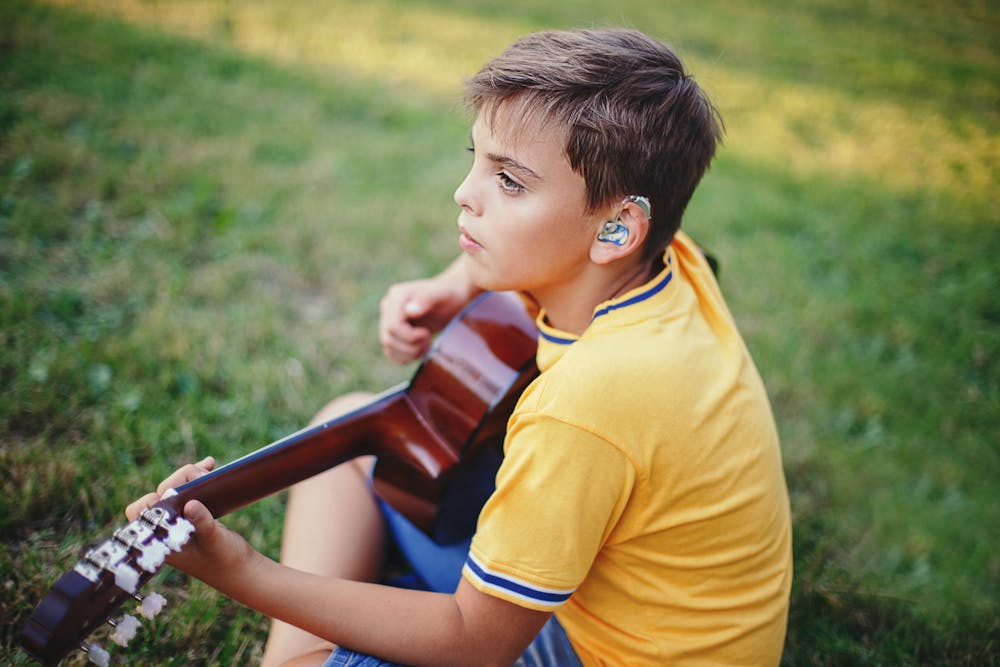
3D printing and advanced manufacturing are allowing for great flexibility and customised designs of various devices and fashion items.
Open Bionics used 3D printing to create the Hero Arm, a bionic arm powered by muscle movements. By using 3D printing to customise the arm to the user, the company is also able to provide users options around designs ranging from colours to branded content: a blend of function and fashion.
Read more: From bespoke seats to titanium arms, 3D printing is helping paralympians gain an edge
5. Unique sales platforms
The technology behind adaptive fashion is not limited to product design: it is also used in sales and marketing, too.
Every Human’s Unpaired system allows consumers to purchase single shoes, while searching by size, width and a range of adaptive features such as easy to put on, and friendly for those who are wearing ankle/foot orthosis.
This can benefit people who have different sized or shaped feet or with prosthetics, where traditional shoes would not suit.
While it seems like a relatively simple idea, this requires brands to have more sophisticated ordering systems. Products must be itemised individually, rather than in traditional pairs, and tagged with additional features such as left or right shoe, and which adaptive features each side possesses, so consumers can search by their needs.
Adapting beyond technology
Like many consumers, people with a disability simply want to be able to shop in physical or online stores and find clothing they like and that fits. So while technology is helping retailers offer an increasing range of adaptive clothing, it is not the only solution.
The next step is to not only think about the clothing itself, but also about the wearer and how they want to shop.
All fashion brands should be adapting their items to the vast array of consumer needs: the technology is already here.
Authors: Louise Grimmer, Senior Lecturer in Retail Marketing, University of Tasmania