

New Zealand summers are getting hotter – and humans aren’t the only ones feeling the effects
- Written by: Cate Macinnis-Ng, Associate Professor, University of Auckland
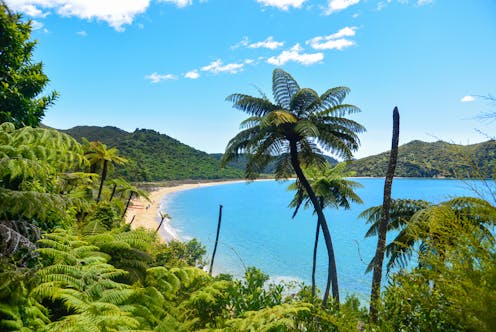
It’s not a mirage, our summers are getting hotter on average and we are experiencing more extremely hot days. News from NIWA that 2021 was New Zealand’s hottest year on record fits with the long term trend.
Analysis of 70 years of data has shown extreme hot days are increasing at a rate faster than average temperature increases across Aotearoa. At the same time, rainfall is decreasing in many areas.
Recent heat waves are associated with a current La Niña event. Warming ocean waters around Aotearoa and northeasterly winds drive warmer air temperatures.
A second contributing factor is atmospheric blocking slowing air movement and allowing air to warm further. Together with global warming, these processes will cause more frequent heat waves in coming years.
What is a heatwave?
While the answer may seem obvious (it’s a hot day), defining a heatwave scientifically is a little more complicated because “hot” is a relative term.
In hotter parts of the world, where temperatures are often above 30℃, a heat wave may be well above 40℃. However, in cooler climates, a hot weather event is likely to cause physiological stress at lower temperatures.
Here in Aotearoa, our climate is milder and the current definition of a hot day is above 25℃. This threshold has been identified as the point at which beef and dairy cattle suffer heat stress.
A more sensible approach is to define extreme temperatures relative to mean temperature. This statistical method allows identification of patterns in heatwaves in different areas in different months. February and March have had more heatwaves in recent decades, and Waikato is the most vulnerable region.
How do heatwaves affect biodiversity?
Atmospheric and marine heatwaves often coincide in maritime climates such as New Zealand’s. Marine heatwaves during the 2017-18 summer were the worst in 38 years and caused local extinctions of bull kelp (Durvillaea) in Lyttelton Harbour.
This event is likely to have wide longer term impacts on marine ecosystems because bull kelps form complex forests that support a range of organisms.
Experiments testing thermal tolerance of sea urchins (Evechinus chloroticus) showed they were reasonably tolerant of heat stress but had limited ability to adapt as ocean extremes continue to warm.
Less is known about the impacts of atmospheric heat waves on terrestrial and freshwater organisms. Our recent review of literature describing the effects of climate change on our native biodiversity found some studies of average warming in alpine regions.
Read more: Courts around the world have made strong climate rulings – not so in New Zealand
For instance, warmer winters may allow invasive mammal species to expand their ranges, reducing the availability of cool, safe hiding places used by forest birds, in a process known as thermal squeeze.
Similarly, warmer fresh water may change competition between invasive and native fish. Warmer temperatures can also change the flowering time in native plant species, causing overlap with invasive plant flowering, potentially decreasing pollination opportunities and reducing the size of the next generation of plants.
More local research needed
While we did not find any literature specifically focused on heatwaves in Aotearoa, we can look overseas to understand what the expected impacts might be.
For trees, extreme heat causes reductions in photosynthesis and stress in leaves. In the worst cases, it can cause a loss of leaves or tree death.
Different species have different vulnerabilities because some trees have adaptations allowing them to survive extreme events. But we have very little data on our native tree species.
Read more: Why climate change must stay on the news agenda beyond global summits
Unlike plants, animals (including birds, reptiles and insects) are mobile and may be able to avoid the worst effects of a heatwave. But again, we currently have very little information confirming this.
In the longer term, when plants are affected, this will cause a loss of food supplies and habitat for animals, so heatwaves may have long-lasting effects.
Why are heatwaves so damaging?
Extreme heat can cause significant physiological stress. But heat is not the only problem. Heatwaves often happen at the same time as droughts. Multiple stressors together can be hugely damaging, especially for plants.
Closing stomata (leaf pores) is a strategy used by plants to save water when soils are dry. However, loss of water through stomata is important for avoiding high temperatures, as transpiration from the leaf acts like evaporative cooling to reduce leaf temperature.
Plants with access to adequate soil water are better able to avoid lethal overheating than plants that are in drought. Experimental studies show drought-affected plants may open (rather than close) their stomata in response to heat, exacerbating water stress and making plant death more likely.
Read more: The best time to water your plants during a heatwave
Stressed plants may also be more vulnerable to diseases and pathogens such as kauri dieback and myrtle rust. An added risk is fire, since dead and dry plant material is more flammable, increasing the incidence and severity of fires.
Extreme climate events are highly influential in ecology. Small populations of rare plants and animals can be particularly vulnerable to extreme climate events. We need more research to understand their potential impacts in a changing climate in Aotearoa.
What about our gardens?
Ensuring garden plants are well-watered will help them survive the hottest days. Watering in the late afternoon or early evening gives them time to absorb the water from the soil overnight. Check water restrictions in your area to make sure you are using water wisely.
Our research shows many native trees are well-adapted to dry conditions as they may have developed water-saving strategies in response to low-nutrient soils. These traits make them ideal for low maintenance gardens suitable for local conditions.
Finally, when planning or changing a garden, choosing plants that are less vulnerable to drought will help your garden survive in a future climate.
The current summer conditions we are experiencing are here to stay, so preparing for heatwaves will pay off in the long term.
Authors: Cate Macinnis-Ng, Associate Professor, University of Auckland


















