

They live for a century and clean our rivers
- Written by: Alan Lymbery, Professor, Harry Butler Institute, Murdoch University
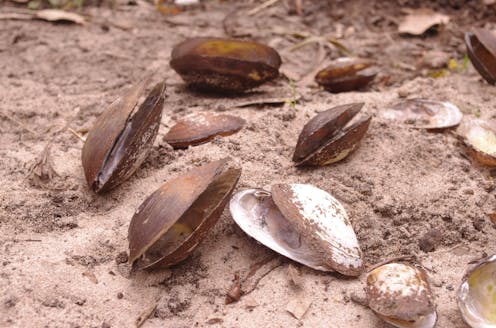
Am I not pretty enough? This article is part of The Conversation’s series introducing you to Australia’s unloved animals that need our help.
Freshwater mussels are dying suddenly and in the thousands, with each mass death event bringing these endangered molluscs closer to extinction. Tragically, these events rarely get noticed.
In March last year, for example, seawater was introduced into the lower Vasse River in south-western Australia to control harmful algal blooms. This killed the entire population of Carter’s freshwater mussel (Westralunio carteri) in this section of the river.
For me, this was particularly distressing for two reasons. First, the species was recently listed as vulnerable to extinction thanks to the work of my then graduate student Michael Klunzinger.
Second, among the 3,000-4,000 mussels killed were 160 my colleagues had previously collected from the river, kept alive in cages for nine months, then re-introduced so they would survive the construction of a new bridge.
Freshwater mussels are one of the most endangered groups of animals on the planet, with 47% either extinct or threatened with extinction. Yet we hear almost nothing about the extinction crisis they face.
I want to bring your attention to why freshwater mussels are important, why many will become extinct within our lifetimes, and why this will have dramatic consequences for freshwater environments throughout the world.
Under threat, yet poorly studied
Mass death events like the one in the Vasse River are not uncommon for freshwater mussels.
In 2019, the death of hundreds of thousands of pheasantshell mussels in the Clinch River in Tennessee, USA may have been caused by a virus, and prolonged droughts have killed mussels en masse throughout the USA and Australia.
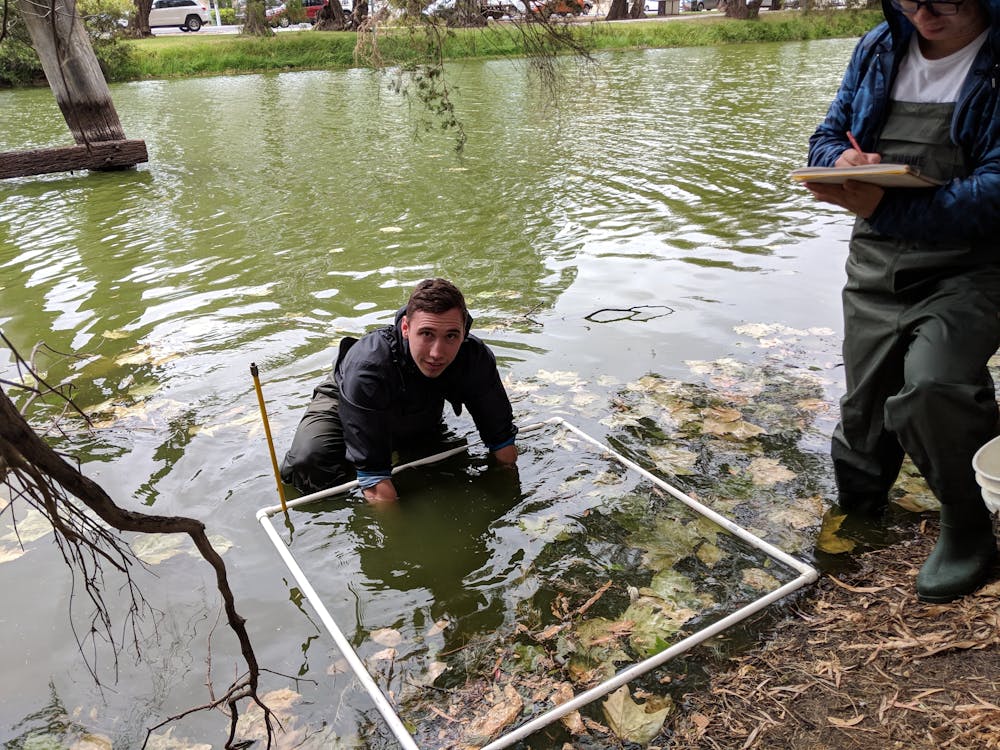
There are 18 species of freshwater mussels in Australia. Only two of these are listed as threatened under Australia’s environment law: Carter’s freshwater mussel and the Glenelg freshwater mussel (Hyridella glenelgensis).
Unfortunately, this doesn’t mean we’re doing better at mussel conservation than the rest of the world. It just means our freshwater mussels are very poorly studied. There have been no ecological assessments of the conservation status of most Australian freshwater mussels.
One of the most serious threats to freshwater mussel populations in Australia is climate change. Reduced rainfall has resulted in a dramatic reduction of water flow. In south-western Australia, for example, water flow has decreased by around 70% since the 1970s and climate change models predict at least a further 25% reduction by 2030.
Read more: Drying land and heating seas: why nature in Australia's southwest is on the climate frontline
This loss of flow means more of our rivers go without water over the dry season, and these drought conditions are lasting longer. Mussels can live for a short time without water by burrowing into the sediment, but longer and more severe dry spells will kill them.
Indeed, severe drought killed around 2.9 million freshwater mussels in the Murray Darling Basin between 2017 and 2020.
The livers of rivers
A big reason freshwater mussels are so vulnerable is because of their unique life cycle.
Unlike marine mussels (which release their eggs and sperm into the sea), female freshwater mussels fertilise their eggs internally. The embryos grow in special pouches of the gills until they’re released as tiny larvae that are parasitic on fish.
Many mussel species have marvellous ways to attract fish when the larvae are due to be released. For example, the US pocketbook mussel (Potamilus capax) uses part of it’s body to create a lure which looks like a small fish. This lure is waved about to attract the mussel’s host fish, bass, which are predators of smaller fish.
After spending several months as a parasite, the larvae then metamorphose into juvenile mussels and drop off their host into the sediment.
 Mussels lure fish in to host their parasitic larvae.
Shutterstock
Mussels lure fish in to host their parasitic larvae.
Shutterstock
Most mussel species take five to ten years to reach sexual maturity. They are slow growing and long lived, often with a lifespan of 100 years or more. This combination of characteristics means mussel populations often cannot recover from large death events.
This can have devastating knock-on effects to the freshwater ecosystem, as mussels are considered “keystone” species.
When rivers cease to flow in dry summer months, freshwater fish and other animals find refuge in the remaining pools. Freshwater mussels behave like the livers of rivers, keeping these refuges clean and ensuring animals can survive until the rains return.
They maintain water quality by filtering and removing suspended sediments, nutrients, bacteria and algae. They also deposit nutrients on the river bottom, and their burrowing activity mixes and aerates the sediment.
Take more notice
I was distressed that thousands of endangered mussels died in the Vasse River. I was also distressed, but not surprised, at the general lack of attention to these deaths. If a pod of dolphins had died in an estuary because of human actions, we would have heard an outcry.
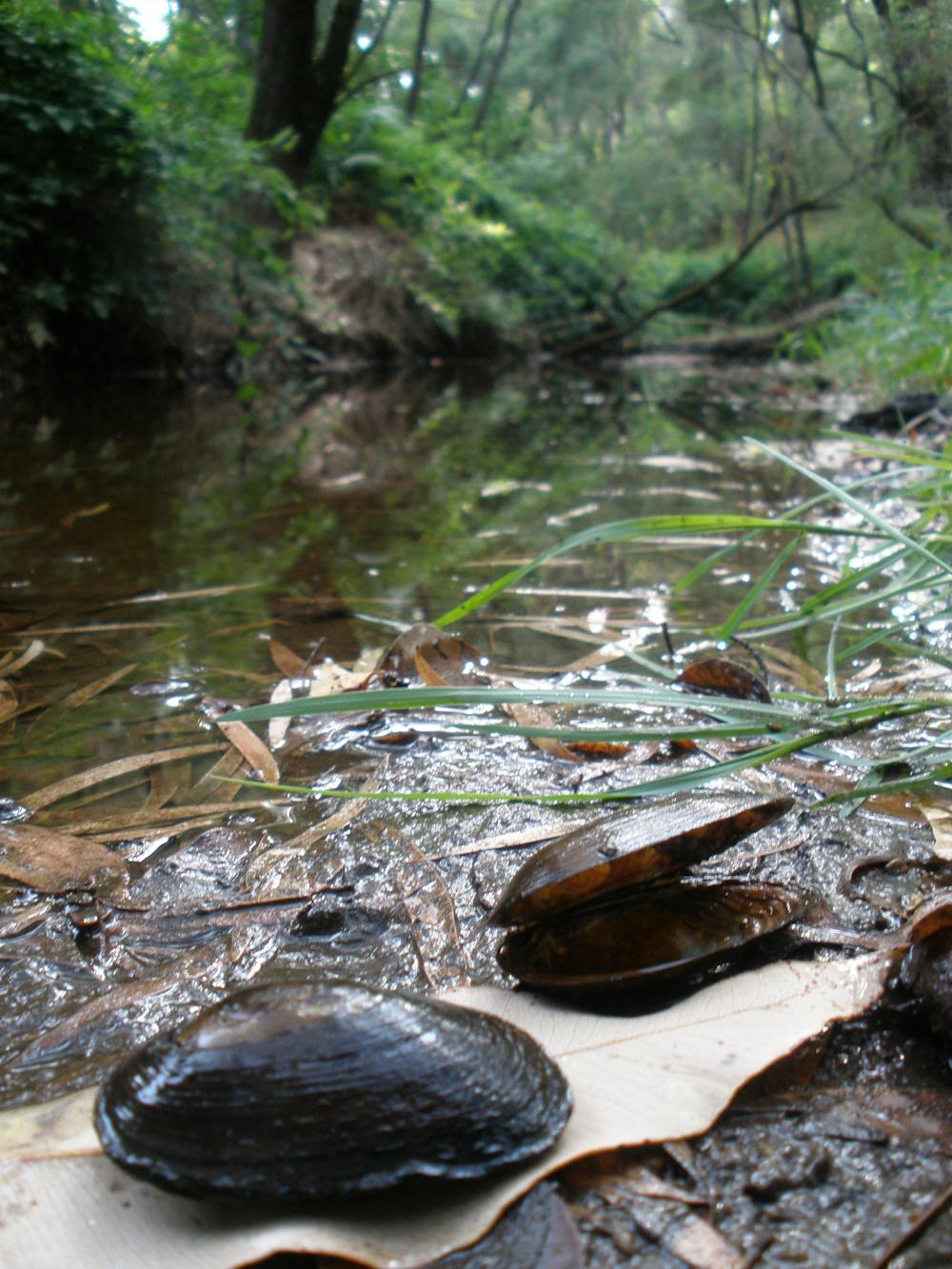 Carter’s freshwater mussel on a stream bank in south-western Australia.
Michael Klunzinger, Author provided
Carter’s freshwater mussel on a stream bank in south-western Australia.
Michael Klunzinger, Author provided
The plight of freshwater mussels illustrates a sad reality for freshwater life. Freshwater ecosystems are incredibly diverse. Per unit area, there are more than twice as many species of freshwater animals and plants than on land or in the ocean. But more than four times as many of these species are threatened with extinction.
Despite this, the conservation management of freshwater species lags far behind that of terrestrial or marine species. Freshwater environments are very poorly protected by conservation reserves and up to 71% of the world’s wetlands have been lost since 1900.
One urgent priority for Australia is to invest in freshwater protected areas, the same way as we invest in marine protected areas and terrestrial conservation reserves.
If you live near a stream, river or freshwater lake, go and visit it soon and appreciate the myriad forms of life that live below the surface. Chances are they won’t be there in the decades to come unless we develop policies and practices that protect our freshwater ecosystems.
Read more: Why are there no true freshwater protected areas in Australia?
Authors: Alan Lymbery, Professor, Harry Butler Institute, Murdoch University


















