

The Singapore-inspired idea for using super for housing that could cut costs 50%
- Written by Cameron Murray, Research Fellow - Henry Halloran Trust, University of Sydney
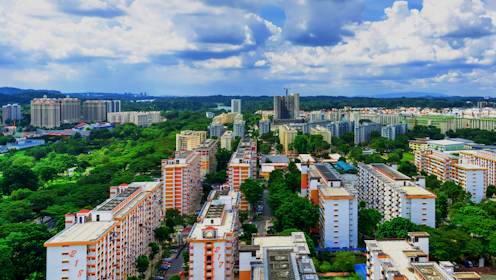
During the past four decades in which home ownership among Australians aged 25-34 has sunk from around 60% to 45%, home ownership among the same age group in Singapore has climbed from around 60% to 88%.
There’s a good chance that’s because Singapore is doing something right.
What Singapore has that Australia does not is a public housing developer, the Housing Development Board, which puts new dwellings on public and reclaimed land, provides mortgages, and allows buyers to use their compulsory retirement savings (what Australians call superannuation) for both a deposit and repayments.
There’s more to it than that. It limits eligibility by income and age, requires owners to hang on to the property for five years, and limits their resale to only other eligible buyers.
Eight in ten of all the dwellings in Singapore today were built over the past half century by the Housing Development Board.
In a new paper released this month I suggest an Australian version called HouseMate, that could halve the cost of buying a home.
Introducing HouseMate
Housemate would build on underutilised crown, council, and federal land, land acquired by compulsory acquisition, or land purchased at market prices, and by tenders from private developers
HouseMate would sell the dwellings at a discounted price (A$300,000 on average) to Australian citizens aged over 24 and in a de facto or married relationship and to single citizens aged over 28 and over, where no household member owns property
HouseMate would offer loans underwritten by the federal government for up to 95% of the purchase price, charged at one percentage point above the cash rate, which at the moment would be 1.1%
HouseMate buyers would be permitted to use their superannuation savings and contributions for both the deposit and ongoing repayments
HouseMate buyers would be required to occupy the home, with limits on leasing and resale for seven years. They will own the home freehold, paying council rates, insurances, and having responsibility for maintenance and body corporate representation
HouseMate owners could sell after seven years. But if they sell to the private market instead of another eligible HouseMate buyer, that would trigger a waiting period of seven years before the seller became eligible for another HouseMate home, and a fee of 15% of the sale price
Homes for half price
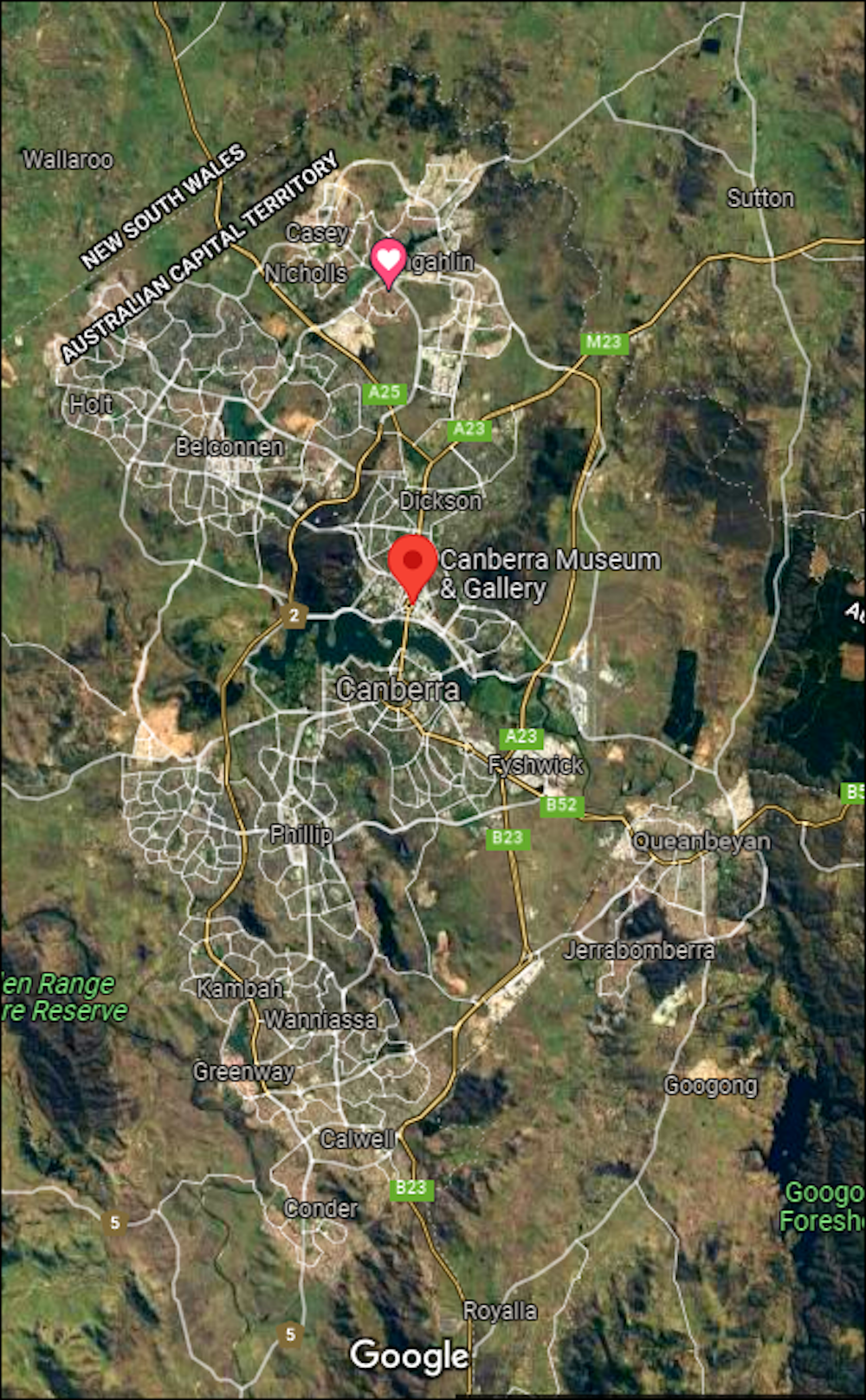 The Australian Capital Territory has developed land for decades.
Google Maps
The New South Wales Land and Housing Corporation has four times the net assets of Singapore’s Housing Development Board at $54 billion. Queensland’s Housing and Public Works has $10 billion in land assets. Victoria’s Department of Families, Fairness and
Housing has $17 billion.
We could start by upgrading and selling existing public housing to its tenants under HouseMate rules.
The Australian Capital Territory has operated this way for decades, developing low or zero cost rural land for housing and selling the homes at cost, although in recent decades it has acted more like a private developer, maximising revenue at the expense of putting people into homes.
To start with, there would be bottlenecks
HouseMate would be overwhelmed at first. I have suggested lotteries to allocate homes until the system ramps up.
Just as Medicare didn’t displace but operated alongside the private health system, HouseMate would operate parallel to the private market, adding to overall supply rather than increasing demand in the private market.
I’ll finish with a story. I met a Singaporean resident recently who moved to Australia to study social work. She said they don’t really have homeless people in Singapore because the Housing Development Board provided an option for almost everyone.
To find homeless people required moving to Australia. I think we ought to try it. What’s the worst that could happen?
Authors: Cameron Murray, Research Fellow - Henry Halloran Trust, University of Sydney
The Australian Capital Territory has developed land for decades.
Google Maps
The New South Wales Land and Housing Corporation has four times the net assets of Singapore’s Housing Development Board at $54 billion. Queensland’s Housing and Public Works has $10 billion in land assets. Victoria’s Department of Families, Fairness and
Housing has $17 billion.
We could start by upgrading and selling existing public housing to its tenants under HouseMate rules.
The Australian Capital Territory has operated this way for decades, developing low or zero cost rural land for housing and selling the homes at cost, although in recent decades it has acted more like a private developer, maximising revenue at the expense of putting people into homes.
To start with, there would be bottlenecks
HouseMate would be overwhelmed at first. I have suggested lotteries to allocate homes until the system ramps up.
Just as Medicare didn’t displace but operated alongside the private health system, HouseMate would operate parallel to the private market, adding to overall supply rather than increasing demand in the private market.
I’ll finish with a story. I met a Singaporean resident recently who moved to Australia to study social work. She said they don’t really have homeless people in Singapore because the Housing Development Board provided an option for almost everyone.
To find homeless people required moving to Australia. I think we ought to try it. What’s the worst that could happen?
Authors: Cameron Murray, Research Fellow - Henry Halloran Trust, University of Sydney 
















