

At home with COVID? 5 easy tips to help you breathe more easily
- Written by Clarice Tang, Senior lecturer in Physiotherapy, Western Sydney University
Shortness of breath, persistent cough and fatigue are common COVID signs and symptoms. And the vast majority of people will be managing their symptoms at home.
As a cardiorespiratory physiotherapist, I help people with heart and breathing problems manage and recover from a range of illnesses.
Here are some simple exercises to help you navigate COVID at home.
Read more: I've tested positive to COVID. What should I do now?
Why should I exercise when I have COVID?
Your body does need some rest when you are sick. However, doing simple, gentle exercises while convalescing with COVID can help improve your symptoms.
People who are older, overweight, or have a chronic condition, such as diabetes, or cardiovascular (heart/circulation) and respiratory (lung) disease, are more likely to have COVID symptoms.
So these groups are among those who would particularly benefit from simple, gentle exercise at home.
1. Relaxed breathing
This exercise is particularly useful if you feel short of breath:
get into a stable and comfortable position. Drop your shoulders and breathe in slowly
purse your lips (as if you’re blowing through a straw)
breathe out slowly and steadily through your mouth
repeat the exercise for a minute.
You can perform this exercise as often as you like. But stop if you feel dizzy as taking too many breaths in a row will cause light headiness.
Perform the exercise in a room with windows open. If you are feeling hot, you can cool your face with a damp towel while doing it.
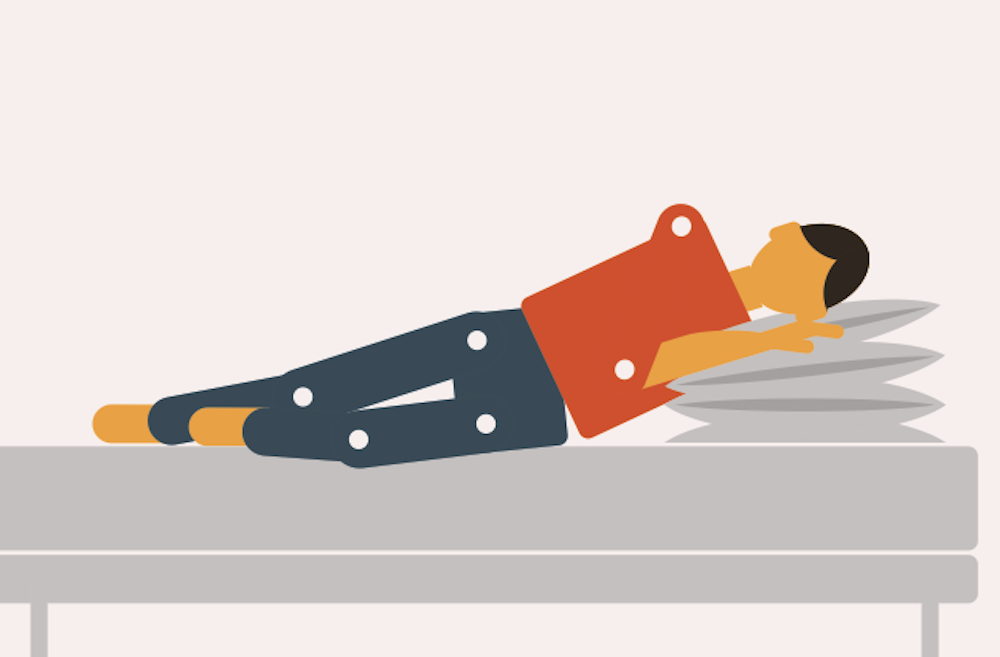
Adopting a comfortable position is key to this exercise. Sitting in a supportive chair may be the easiest for most people.
However, for some people with COVID, sitting in a chair is too strenuous. In these instances, try this exercise in other positions such as lying on your side, as recommended by the World Health Organization.
2. Deep breathing
This can improve oxygen intake and calm your nerves:
get into an upright position. Relax your shoulders
breathe in deeply through your nose for two to three seconds. Hold your breath for three seconds, if able
breathe out through your nose or mouth, whichever is more comfortable
repeat the exercise for a minute.
Again, stop if you feel dizzy. You may cough and bring up some phelgm after this exercise. If you do have to cough, cover your mouth with a tissue and dispose of the tissue immediately in a sealed bag after each use. Wash your hands thoroughly after.
Read more: How to look after your mental health if you're at home with COVID
3. Lie on your tummy (if you can)
You may have heard from others, such as Harry Potter author JK Rowling, about the benefits of lying on your stomach (proning) during breathing exercises to improve oxygenation.
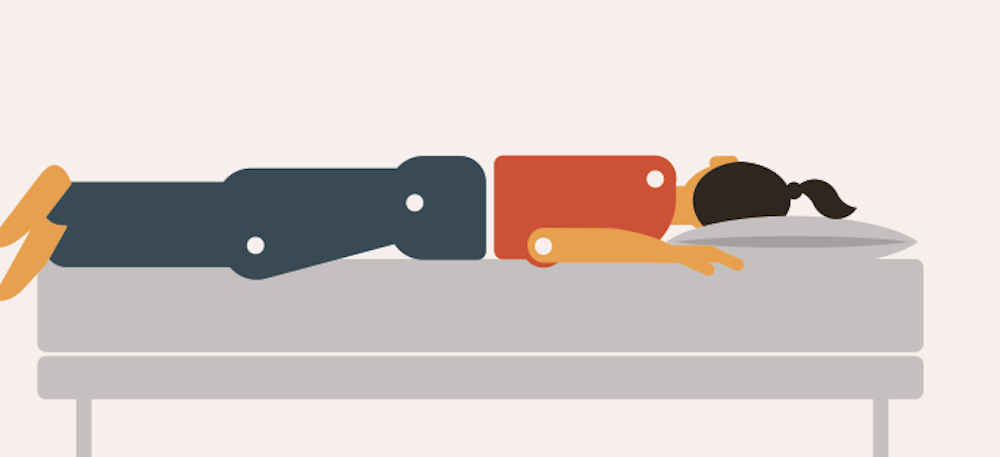 Lying on your front isn’t for everyone and can be painful.
WHO
Lying on your front isn’t for everyone and can be painful.
WHO
Proning is common in hospital for people who need extra oxygen. However, the evidence for proning at home is unclear and it is not for everyone.
As you need to stay on your stomach for at least 30 minutes, some people may find this extremely uncomfortable, especially if they have neck and lower back pain. For these people, sitting upright or lying on their side while doing breathing exercises may be better alternatives.
Nonetheless, if you would like to try proning, here are some tips:
do not try proning after a meal
choose a firm surface to lie on. Soft beds can make lying on your stomach even more uncomfortable for your back
turn your head to the side. Place a pillow under your stomach, feet, arms and head for comfort
ensure you have someone with you at all times, especially when trying this for the first time. Both you and your helper should wear a mask to minimise cross-infection
do not attempt proning with children under one year old.
4. Move regularly
Even people with relatively mild COVID symptoms may continue to be fatigued after other symptoms have resolved.
Doing simple exercises regularly throughout the day while in isolation can help minimise the effects of reduced mobility during COVID.
You can try sitting on a chair and standing, then repeating that for a minute. Or you could march on the spot for two minutes.
Pacing and prioritising your activities to ensure you do regular activities throughout the day can also help manage your fatigue.
Read more: What's a pulse oximeter? Should I buy one to monitor COVID at home?
5. Know when to seek further medical attention
If you or a family member experience chest pain, difficulty breathing despite home management, dizziness, new weakness in your face, arm or leg, increased confusion, difficulty staying awake, or have thoughts of self-harm, you will need to seek urgent medical attention.
You can also use online symptom checkers for advice on your next immediate action, including when to call an ambulance.
If your COVID symptoms last longer than two weeks, see your local doctor. They be may be able to refer you to a pulmonary (lung) rehabilitation service or physiotherapist who specialises in lung conditions.
Read more: COVID can worsen quickly at home. Here's when to call an ambulance
Authors: Clarice Tang, Senior lecturer in Physiotherapy, Western Sydney University
Read more https://theconversation.com/at-home-with-covid-5-easy-tips-to-help-you-breathe-more-easily-176249

















