

Australia is failing marginalised people, and it shows in COVID death rates
- Written by Gemma Carey, Professor, UNSW Sydney
Newly released Australian Bureau of Statistics (ABS) data show people living in poverty or disadvantage are three times more likely to die from COVID than the wealthy.
This statistic is alarming, but it gets worse when we begin to look more closely at particular communities.
ABS data show the rate of death from COVID for people living in Australia who were born overseas was almost three times more than those born in Australia when standardised for age (6.8 deaths per 100,000 vs 2.3 deaths).
The rate of death from COVID for people living in Australia from the Middle East was over 12 times that of people born in Australia (29.3 people per 100,000).
These statistics are damning. They tell us you’re more likely to survive COVID if you were born here, grew up speaking and reading English, are educated, and earn a good income.
They undermine the idea that Australia has good quality universal health care that has been accessible during the pandemic.
Poverty makes you sick
Most health problems, and the care needed to address them, follow what we call “the social gradient”.
This term is shorthand for the idea that those with the most resources – be it money or education – have better health and get better treatment than those with fewer resources.
In short, poverty makes you sick. It does this by limiting your access to services and supports, through money or other factors such as the type of job you work.
People at the “lower end” of the social gradient also tend to receive poorer quality health care.
Unfortunately, this social gradient is now clear in the data on Australian COVID deaths.
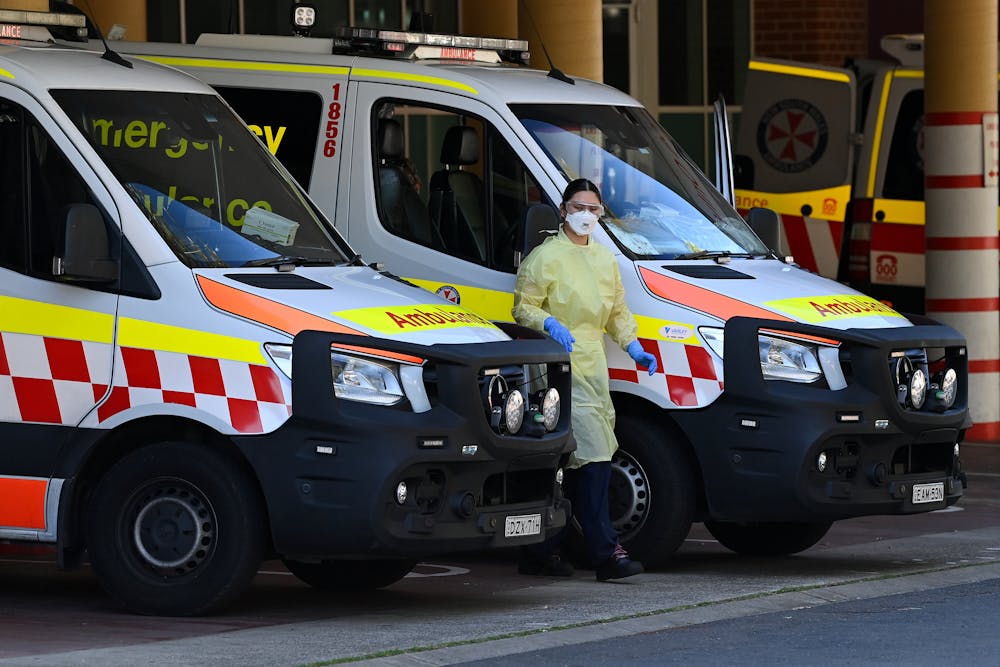
For example, some people from Middle Eastern countries and other migrant or refugee communities have poorer employment conditions, such as janitorial jobs in hospitals. These jobs expose people to COVID, who then bring the virus home. They have also needed to keep working in these high risk jobs throughout the pandemic so they can afford basic living costs like food and rent.
There are also major barriers to medical care for, and information about, COVID for particular communities. During the Delta variant wave in Victoria and New South Wales, we saw this result in people from refugee and migrant backgrounds dying at home before receiving any medical care for COVID.
Authorities attributed this to a reluctance to seek health care. This reluctance can stem from a lack of culturally and linguistically appropriate health care communication and services.
Read more: Using military language and presence might not be the best approach to COVID and public health
Many people also distrust authorities, including the police and army, due to experiences in people’s home countries. Being scared of authorities is a legitimate fear when you have come from a country where authorities may kill you.
This has been exacerbated by governments in Australia choosing to “police” the pandemic. Large fines were threatened to people who broke COVID public health orders.
This fear of fines and authorities likely contributed to a reluctance to seek medical care, and in turn more deaths. And messaging around authoritarian approaches to those who break COVID health orders are likely to have exacerbated this.
Many have also been excluded from government support.
Australian governments and health services have been failing parts of our community, from those with low incomes to people from non-English speaking backgrounds.
What can we do right now?
There are a range of actions we can take to rectify the high rates of death amongst refugee and migrant communities.
Policy wise, the federal government could extend access to Medicare and social safety net support for people experiencing issues with temporary visas, such as asylum seekers living in the community who are appealing a decision on a visa application, and are not eligible for Medicare. Adding specific Medicare items for refugees and migrants may also encourage more culturally and linguisticaly inclusive medical care in the health system.
These changes would help provide more affordable, accessible and inclusive health care, particularly for asylum seekers and refugees dealing with visa issues, and help prevent loss of life.
Governments should also involve refugee and migrant communities in the development and implementation of actions to reduce COVID deaths. Communities know what they need in a crisis – we need to find new ways of listening. A top-down, middle class response to a pandemic will create services and supports that only work for the middle class.
It’s vital we look to the evidence of what may best help refugee and migrant communities reduce the risk of infection, involve them meaningfully in this process, and sharpen our focus on making life in Australia fairer, more inclusive and, hopefully, safer for all.
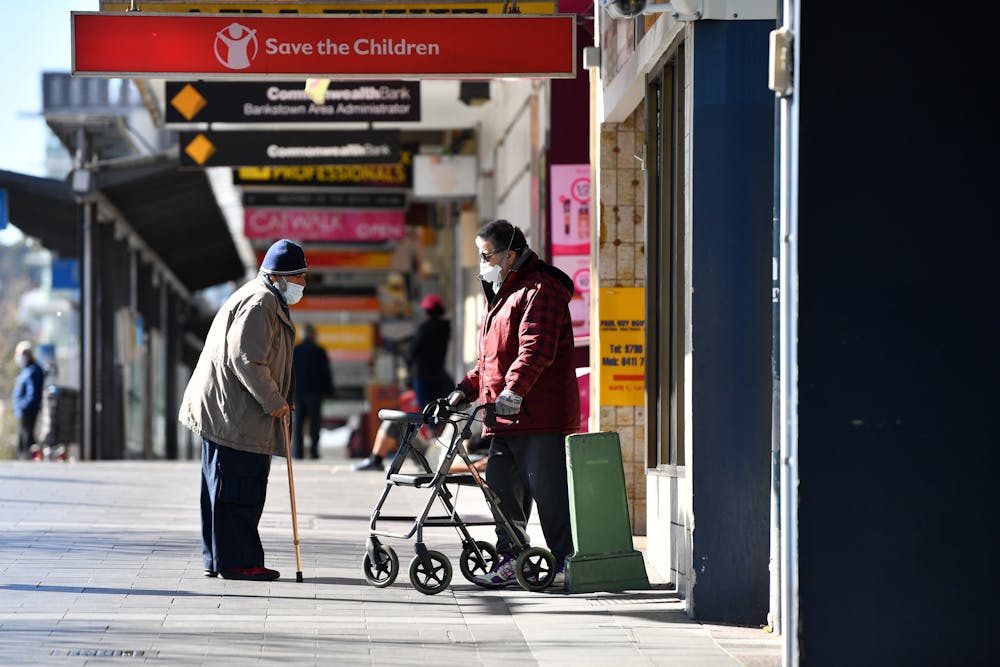 We need to avoid a ‘top-down’ approach to health policies.
AAP Image/Joel Carrett
We need to avoid a ‘top-down’ approach to health policies.
AAP Image/Joel Carrett
What has to happen next?
Currently, there are major gaps in understanding what may best support refugee and migrant communities to reduce the risk of infection and harm from COVID.
More research is needed. However that research needs to be led by peers in communities and be easy to access and participate in. In other words, we cannot repeat the mistake of creating approaches that work for just the middle class.
Best practice tells us multiple forms of research are required, and in culturally and linguistically inclusive ways.
Survey-based research must be conducted in hospitals, health centres and other clinical environments to understand how barriers to medical care and information for COVID can be addressed to better meet the needs of people from refugee and migrant communities. The research could identify more culturally inclusive ways of managing vaccinations, testing and recovery from virus symptoms.
This must be backed up by in-depth research to explore the experiences of a diverse range of communities. Just as disadvantaged groups are not all alike, neither are refugee and migrant communities (despite being commonly lumped under the term “culturally and linguisticaly diverse”).
Communities who are recently arrived or longer settled – all from different countries – have different needs.
We need more listening, and less punitive approaches.
Authors: Gemma Carey, Professor, UNSW Sydney

















