

How to get the most out of your N95 mask or other respirator
- Written by Thea van de Mortel, Professor, Nursing and Deputy Head (Learning & Teaching), School of Nursing and Midwifery, Griffith University
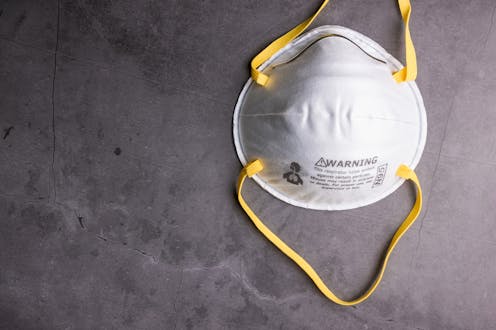
Although mask mandates are lifting in some states, many people will continue to wear masks to protect themselves and others from the more transmissible Omicron variant.
For instance, they might be visiting a loved one in hospital, travelling on a plane or bus, or still need to wear one at work in hospitality or retail.
Any mask is better than none. However, a type of mask known as a respirator is more effective at preventing the spread of SARS-CoV-2 (the virus that causes COVID) than a cloth or surgical mask, provided you use it properly.
Here is a practical guide to getting the most out of your respirator.
Read more: Time to upgrade from cloth and surgical masks to respirators? Your questions answered
What is a respirator?
Respirators are designed to fit your face closely to help prevent you breathing in airborne particles through the gaps around the edges.
They are made of a plastic with an electrostatic charge that repels viral particles, preventing at least 95% of particles from getting through.
They are made to a specific manufacturing standard. Depending on where they are certified, they may be called N95 (in the USA), P2 (Australia or New Zealand), FFP2 (Europe), KF94 (Korea) or KN95 (China).
Some have a cup shape; others look like a duck bill due to the way they stick out.
Who can use a respirator?
Adults can use respirators but the US Food and Drug Administration (FDA) does not recommend them for children. That’s because they are not designed for smaller face sizes so may not provide full protection.
Facial hair, unfortunately, interferes with the fit. That’s because the edge of the respirator cannot form a tight seal around the face and chin.
If you don’t want to remove your beard or moustache, use a surgical mask. Or you can double mask by wearing a cloth mask over a surgical mask.
Which respirator is best?
This depends on personal preference and size. Try a few different types to find one that fits well. P2 respirators found in hardware stores are often in larger sizes that suit men. Chemists sell others that might better suit a smaller face.
Look for an adjustable nose piece and straps that go over the back of the head rather than loops that go over the ears. This will ensure a tighter fit.
Do not buy respirators with valves because they do not prevent the release of viral particles into the air.
Read more: How to wear a mask in the heat
Watch out for counterfeits
Avoid a false sense of security when wearing respirators, as they won’t have been professionally “fit tested” the way they would be for health workers.
When buying respirators online, look out for counterfeit products. For example, avoid individual respirators with unmarked packaging, or boxes with an FDA logo, as use of the logo to market products is prohibited. The box should include the manufacturer’s name and address.
How do I put one on?
The US Centers for Disease Control and Prevention advises you:
wash or sanitise your hands before putting on the respirator
check the respirator for any tears, holes or moisture. Never use one that is damaged or wet
separate the elastic straps, then hold the respirator in your hand with the nose piece at the top
place the respirator over your nose and mouth

- place one elastic loop at the top of your head, near the crown, and the other at the base, below your ears. Make sure the straps lay flat, are not twisted and are not criss-crossed
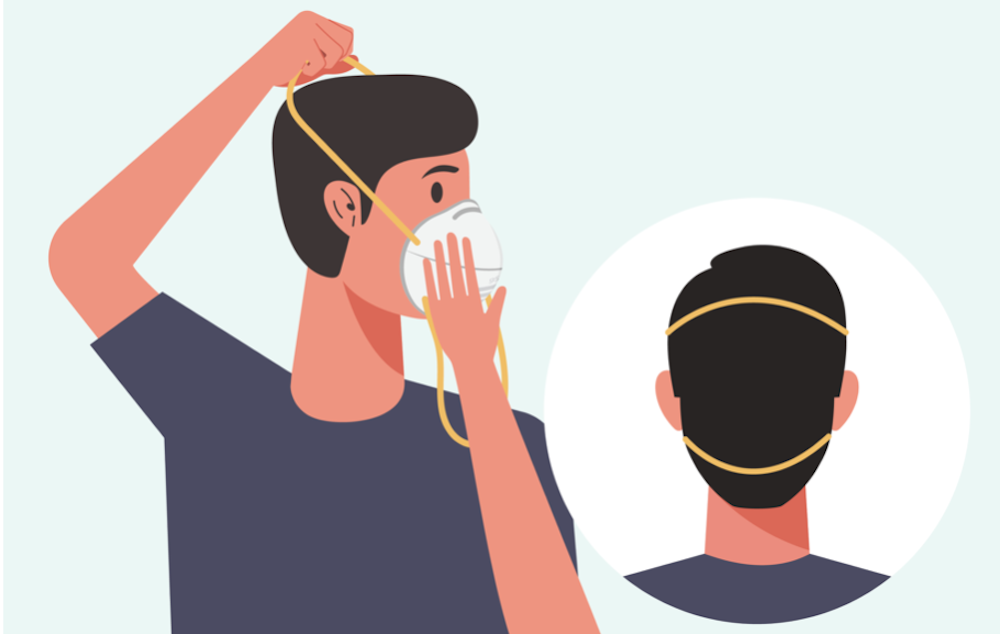 One elastic loop goes at the top of the head, the other at the base.
CDC
One elastic loop goes at the top of the head, the other at the base.
CDC
- adjust the flexible strip across your nose and cheeks, pressing on each side of the nose with the fingertips of both hands to mould it to your face
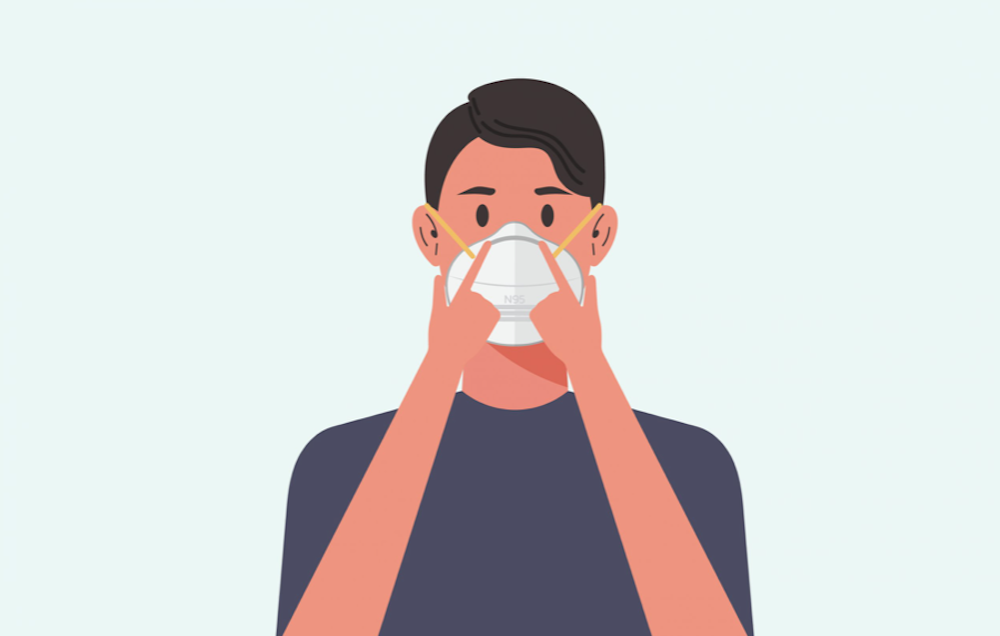 Use fingertips to mould respirator to face.
CDC
Use fingertips to mould respirator to face.
CDC
check the edges to make sure there are no creases or hair stuck under the edge
perform a “fit check”. Take a quick deep breath in, which should cause the respirator to suck inwards. Then breathe out, which should re-inflate it. If your glasses fog up, if you feel air coming in or going out around the edges, or the respirator does not suck in, there is not a good seal. Try repositioning it and “fit check” again
sanitise your hands after putting on your respirator. Once on, avoid touching the front, which may be contaminated. If you do, sanitise your hands again.
Can I re-use them?
While respirators are labelled for single use, they can be reused outside health-care settings with care:
the more you reuse a respirator the more likely it is to fail because the wear on the elastic straps causes a poorer fit or components break. Most are good for at least five wears but some can go for at least 20
have several on the go and alternate them on different days. Store each one after use in its own paper bag, to allow it to dry out between uses
remove the respirator if it gets wet. When removing, touch only the straps. Move the respirator away from your face so you don’t contaminate your skin or hair
when the respirator loses its fit, gets damaged or has been used too often, pop it in the bin.
What not to do
Respirators reduce the spread of SARS-CoV-2 but will not stop it alone. It is essential to stay home if unwell, get fully vaccinated, physically distance where possible, regularly wash or sanitise your hands, and if coughing or sneezing, do so into your elbow.
Authors: Thea van de Mortel, Professor, Nursing and Deputy Head (Learning & Teaching), School of Nursing and Midwifery, Griffith University
Read more https://theconversation.com/how-to-get-the-most-out-of-your-n95-mask-or-other-respirator-177229

















