Modern Australian
The Times

Jessica Au's precise, poetic meditation on mothers and daughters

  • Written by Jen Webb, Dean, Graduate Research, University of Canberra
Jessica Au's precise, poetic meditation on mothers and daughters

Jessica Au has been appearing on the Australian literary scene for quite some time now. I first noticed her work in the noughties: short fictions published in Overland and Wet Ink, stories with well-crafted sentences and engaging characters and an aesthetic that leaned toward stillness and dissociation.

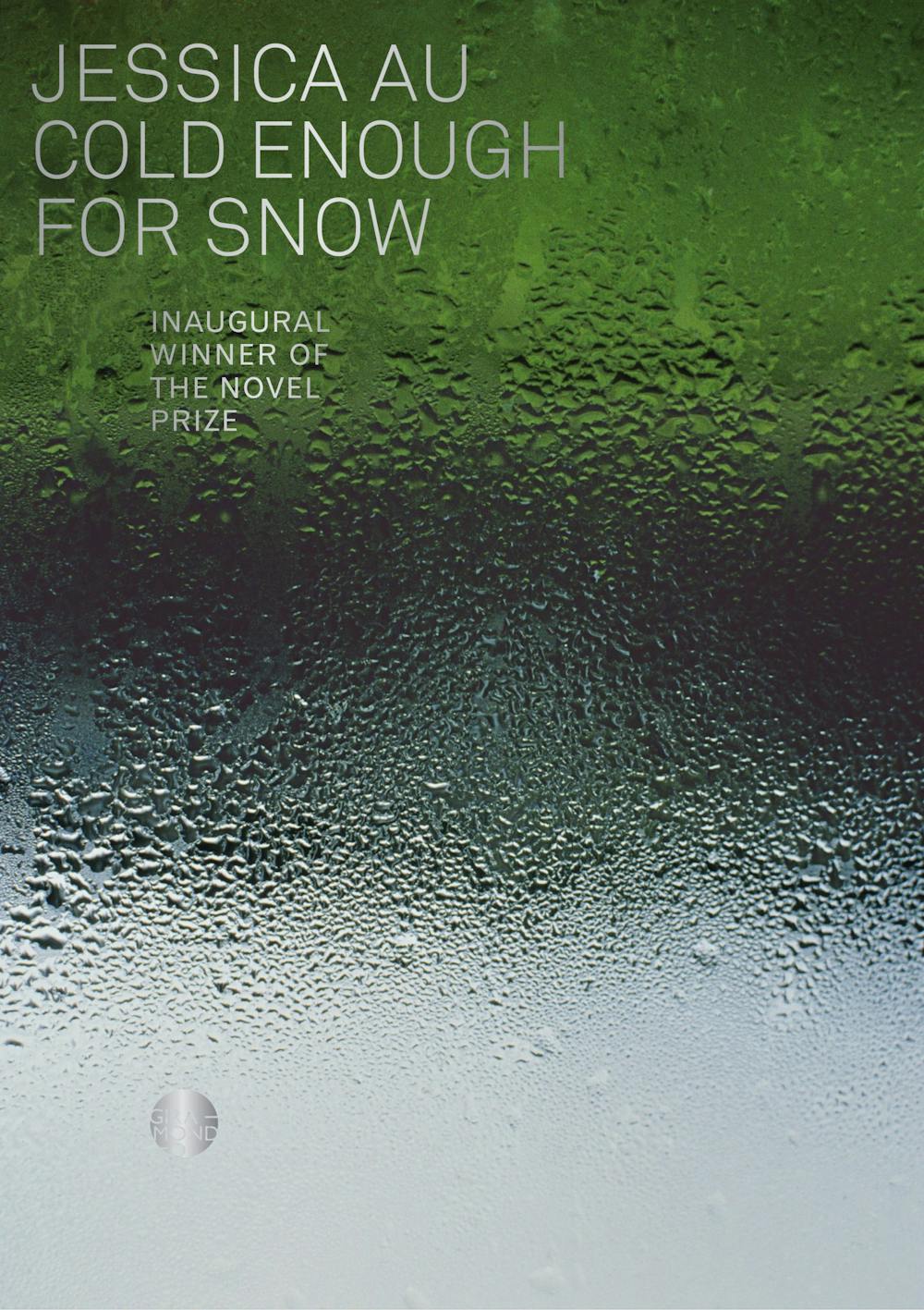
She didn’t publish much, or not much that I found, before or after her first novel, Cargo (2011), another book I would encourage people to read. I think it is fair to say she is not prolific. She has conceded that she is a “slow writer”. But the writing is worth the wait. Au’s new book, Cold Enough For Snow, has already won the inaugural Novel Prize, and been published in fifteen languages.

Review: Cold Enough for Snow - Jessica Au (Giramondo)

Cold Enough For Snow is a little book, so short (at 97 pages) that it hasn’t bothered with chapter breaks, but is structured more in stanzas, or perhaps stations. The narrator and her mother travel through Japan on a short holiday, visiting destinations – art galleries, historic sites, parks – in Tokyo, Osaka, Kyoto and elsewhere. They are travellers characterised by what seems a careful relationship with their surroundings, and with each other. Mother and daughter seem to connect only en passant, as is hinted in the first paragraph of the novel, where the narrator senses her mother’s fear that if they are separated by the Tokyo crowd, “we would not be able to make our way back to each other, but continue to drift further and further apart”. Drifting, whether together or apart, is what it felt like to move through the novel’s pages. But it is not a thoughtless or oneiric drifting. It is characterised by an intense focus on what most of us mostly ignore – the utterly quotidian. There is no enthusiasm for cherry blossoms or temples here; there is, however, close attention paid to the colour of the glaze at the bottom of a rice bowl, the texture of curtains in a hotel room, the way garments in a clothing shop sway on their hangers, and the splash of rain on the ground, “which was not asphalt, but a series of small, square tiles, if you cared enough to notice”. The narrator recounts such details with precision, as though she is looking for somewhere to locate her own cares, working out how and what to be in the quotidian world, and how to love effectively. Cold Enough For Snow is also a mother-and-daughter story. The narrator has visited Japan previously, with her partner Laurie, and “it was like when we were children again, mad and excitable, endlessly talking, endlessly laughing”. Though she had wanted to have the same sort of experience with her mother, theirs is a companionship marked by silence, or the exchange of small banal comments: “I asked her what she had thought of today, and she said it had been very nice.” On the one occasion she asks her mother about her beliefs, the response is not encouraging: “She said that she believed that we were all essentially nothing … there was no control, and understanding would not lessen any pain.” The narrator responds with silence, then: “I looked at my watch and said that visiting hours were almost over, and that we should probably go.” Intimacy avoided. What it might mean to be a mother – ethically, ontologically – demands the narrator’s close attention because she and her partner are discussing starting a family. For them, this means more than having a small person to love, or expanding from two in the house to three; it means more than sleepless nights and nappies and all the appurtenances of parenthood. Although, as she says, the idea of having a child is “as lovely and elusive as a poem”, she is also deeply conscious of the responsibilities of parenthood: I knew that if I had a daughter, she would live partly because of the way I had lived, and her memories would be my memories, and she would have no choice in that matter. It is perhaps not surprising, then, that she is ambivalent about being a mother, and about being a daughter. After all, “My lecturer had said to us once that parents were their children’s fate.” This is a weighty consideration. Yet the narrator seems, at last, to reach a sort of accord. In the final paragraph, while they are preparing to go back to Australia, she observes her mother as an object, an artwork: “she sat as a statue might have sat … She had too the quality of a sculpture.” But she sees too that her mother is an ageing woman. In the penultimate sentence, her mother says (in what I think is the only direct dialogue in the novel), “Could you help me with this?” And she does help her. The novel ends at this uncertain but somewhat optimistic point. We move through our generations, connected through all our ambivalences, the uncertainties and unknowns. And at the end, we can connect, if only through our capacity to help and be helped. The density and the, dare I say it, magic of this book is how it weaves together a somewhat chilling distance with a close and sympathetic attunement to the lived world. It rejects the consolations of plot and – in conventional terms – character. It provides instead a sort of pentimento made of words, all allusion and invocation. It is like a poem or, as many critics have said about this book, a meditation. They have offered phrases like “beautifully observed”, “hypnotic”, “calm simplicity”, and (from Helen Garner): “So calm and clear and deep, I wished it would flow on forever”. I wished that too; but I think it ends at the right moment. It does not precisely let go of its concerns, but it gestures toward the clarity and complexity and confusion of the world. It orients the narrator, and maybe the reader, toward to a fresh way of seeing, and a fresh way of considering the responsibilities of being, and being alive. Authors: Jen Webb, Dean, Graduate Research, University of Canberra

Read more https://theconversation.com/the-responsibilities-of-being-jessica-aus-precise-poetic-meditation-on-mothers-and-daughters-175632

Why Material Handling Hose Is Critical for Industrial Efficiency

A high-performance material handling hose is an essential component in industries that transport abrasive, dry, or bulk materials on a daily basis...

How to Choose the Right Lawyer in Melbourne for Your Situation

Choosing legal support can feel difficult, especially when the stakes are personal or business-related. The right lawyer in Melbourne should underst...

Hoteliers Look to Clever Value Adds to Increase Revenue

The Australian hospitality industry is still in recovery mode after a notoriously rough patch in recent years. While there has been a post-COVID tra...

Moving to Queensland? Here’s How to Prep Your Car for the Big Move North

There’s no sign of the northern migration slowing down, with thousands of southerners fleeing from chaotic lifestyles and cooler climates for a brig...

Diesel Shortage to Impact Trades and Contractors

Strait of Hormuz blockage affecting all major parts of trades and construction Trades and construction across residential, commercial and industria...

Why Holiday Home Owners Turn to Rental Management Agents

The Allure — and the Reality — of Renting Out Your Property Owning a holiday home is a dream for many Australians. Whether it's a beachside sha...

Why Finding Reliable Doctors In Bundoora Is Important For Long-Term Health

Access to quality healthcare plays an important role in maintaining overall wellbeing and managing health concerns early. Trusted Doctors in Bundoor...

Understanding the Different Types of Car Services: Minor vs Major

When it comes to car maintenance, one of the most important things every vehicle owner should understand is the difference between a minor and a maj...

How Superannuation and TPD Insurance Work Together

Superannuation is an essential part of financial planning in Australia. It is designed to provide individuals with income during retirement, helping...

Tiny Towns funding granted for Mt Hotham and Mt Buller upgrades

Alpine Resorts Victoria (ARV) has welcomed funding support from the Victorian Government’s  Tiny Towns Fund, with both Mt Hotham and Mt Buller se...

Locksmith Services: Why Professional Security Solutions Matter More Than Ever

Security is a critical concern for homeowners, businesses, and vehicle owners alike. Whether it involves protecting a property, replacing damaged lo...

Why Tooth Fillings Are Important For Protecting Damaged Teeth

Cavities and minor tooth damage are common dental problems that can worsen if left untreated. Professional tooth fillings help restore damaged teeth, ...

The Connection Between Visibility and Driver Confidence

Operating a vehicle safely requires an immediate, uncompromised stream of visual information from the surrounding road environment. A driver's decis...

Important Things To Know Before Starting An SMSF Setup

Planning for retirement requires careful financial decisions, and many Australians are now looking for more direct control over how their superannua...

Why Retail Cleaning Plays a Key Role in Customer Experience and Business Success

Professional retail cleaning services are an essential part of maintaining a welcoming, safe, and professional environment for customers and staff...

Simple Ways to Make a Commercial Property More Appealing to Buyers

Selling or leasing a commercial property isn’t just about listing the square metres, taking a few photos and waiting for the right person to appea...

What Café Owners Should Know Before Upgrading Their Display Setup

A café display fridge does a lot more than keep cakes cold and sandwiches fresh. It quietly shapes the way customers browse, the way staff move beh...

Creating a Backyard That Feels Comfortable All Year Round

A great backyard doesn’t need to be huge, expensive or perfectly styled. Most of the time, the spaces people actually use are the ones that feel e...