

Teachers can offer a safe space for students to talk about the war in Ukraine and help them take action
- Written by: Jen Couch, Senior Lecturer – Youth Work and International Development, Australian Catholic University
Russia’s invasion of Ukraine is dominating our screens and conversations. Children and young people are constantly being exposed to images and information about the devastation there.
This kind of exposure can lead to heightened stress and anxiety in both adults and young people. In such times, a classroom can provide a safe space for students to express their fears and concerns.
Teachers can inspire children and young people to feel hopeful and promote a sense of agency through thoughtful, honest discussion and developmentally appropriate activities.
What teachers need to think about
As with all difficult topics, educators should be keenly aware of the emotional impact these events have on students. Teachers should pay close attention to students who may have family members in the regions and who might be worried about how this crisis might impact them here.
Teachers should also be aware some of their students may have lived through war or have family in other active conflict zones. For children and young people with a trauma or refugee background, images and talk of war and violence can be triggering. Conversations about the conflict and constant media exposure can exacerbate this experience.
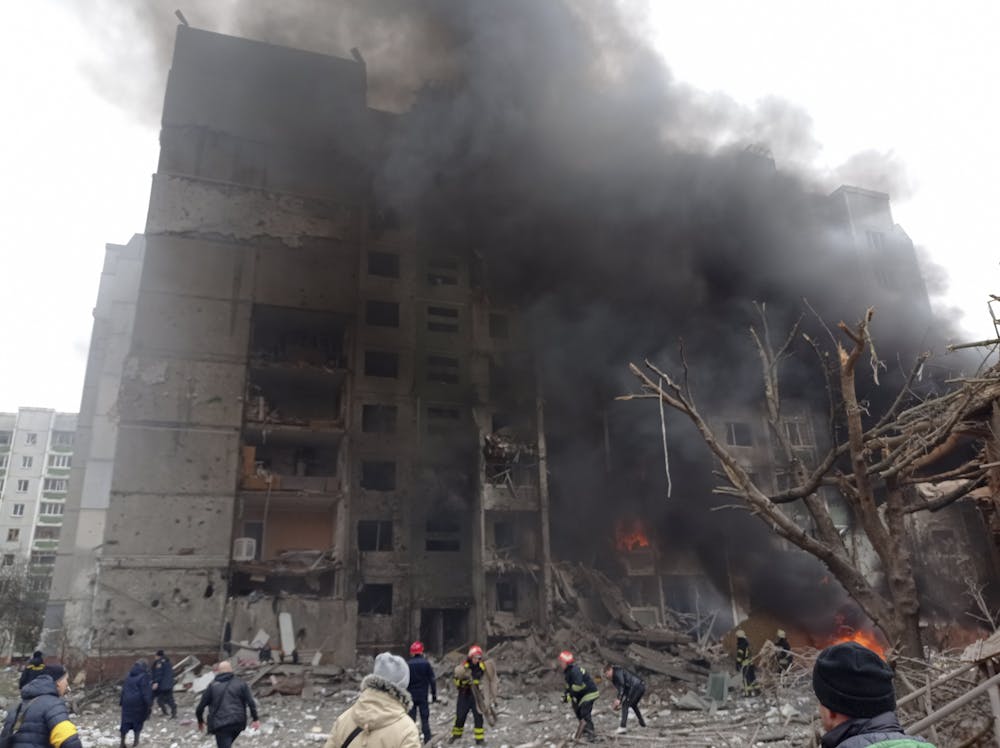
Previous experiences with major global crises such as the September 11 attacks in the United States and bushfires in Australia have provided insight into children’s possible reactions to an event such as this.
Students will come to teachers with concerns. Answering questions may be tricky but we can give them a safe place to discuss things.
The first you can do is acknowledge and validate the students’ concerns: wars are scary, and it’s OK to feel scared. Start by asking what they have heard and address any misinformation.
Read more: Fake viral footage is spreading alongside the real horror in Ukraine. Here are 5 ways to spot it
Explain why it is important to pay attention to other parts of the world. Research shows that including discussion of global issues increases empathy and helps students develop more of an understanding for people around them who may have different backgrounds and experiences.
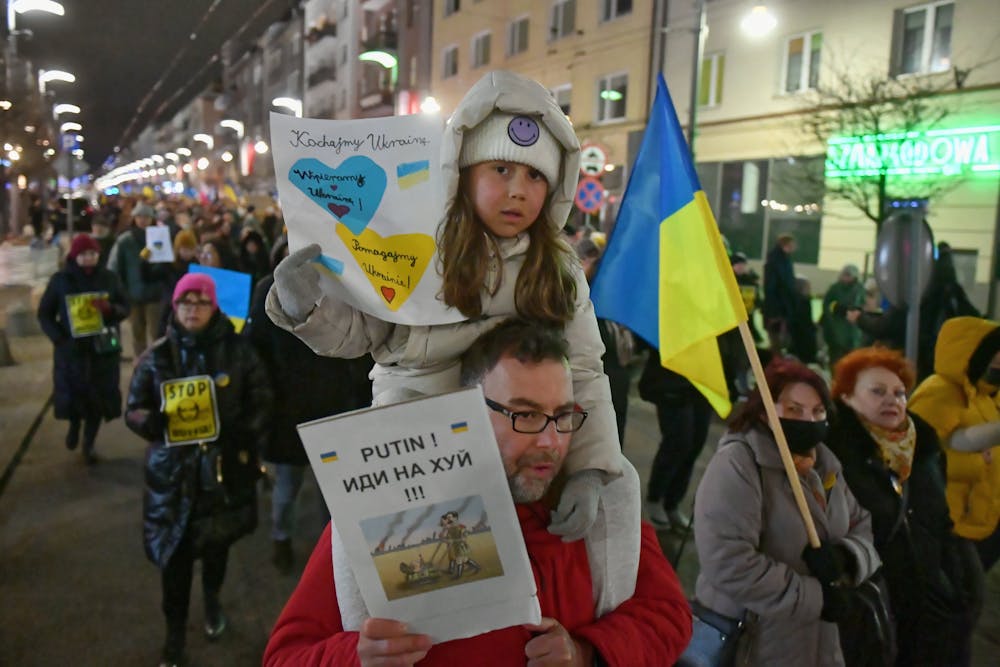 Helping children understand what’s happening in other countries will increase their understanding of people from different backgrounds.
Adam Warzawa/EPA/AAP
Helping children understand what’s happening in other countries will increase their understanding of people from different backgrounds.
Adam Warzawa/EPA/AAP
Listen and don’t avoid difficult conversations. Be prepared to answer the questions the student may have, and answer with facts which will provide context to aid their understanding.
Be aware of your class and monitor children at risk, as young people with a background of trauma or loss are at higher risk of experiencing distress.
While it is important to be honest, the level of detail needed for an eight-year-old will be very different to that of a 12-year-old.
Primary school children
Primary school children have active imaginations and might not understand the situation as well as their older peers. But they will still sense the mood of the adults around them, which can impact their behaviour.
As a result they could experience an increase in stress and anxiety, distress at being separated from parents, or experience nightmares, sleep disturbances, or behavioural disruptions (“acting out”).
Read more: How to talk to children about the invasion of Ukraine, and why those conversations are important
You can use picture and story books to help these children understand relevant concepts and to think about their treatment of others. For instance, “Paulie Pastrami Achieves World Peace” by Jaimes Proimos is about an a boy who plans to achieve world peace before his eighth birthday. He does this through acts of kindness such as reading to the trees and helping his little sister.
Books like this can help children understand altruism, and that even children can make the world better through kindness.
Use movies or cartoons to help children understand how they can make changes and improve their own community. Agency is a skill that can be taught from a young age, and can play a role in reducing feelings of helplessness, particularly during times of uncertainty.
Help students create artwork to express their feelings. We have seen even children in Ukraine doing this.
Instil hope. Show maps of locations and distances to help children understand their safety. You can remind children the war is very far away and they are safe here, while encouraging them to feel empathy for Ukrainian children.
Be prepared to answer student’s questions. If you do not know the answer, you should say so.
Children might ask you how you are feeling, such as “are you scared?” You should respond honestly, as this is an opportunity to encourage open and transparent conversations about tricky topics.
Secondary school children
Secondary school children have higher levels of emotional regulation than their primary school peers. While they may be more curious, they may also have visualisations of possible attacks, and concerns about the implications for their future – including being sent to war or being conscripted if the war in Ukraine becomes a larger conflict.
You can share stories of what regular people are doing and experiencing to humanise the event. Lead with a positive tone, offering stories of people persevering in Ukraine and people in Russia who are challenging their government’s actions. It is useful to point students to independent media in the Ukraine such as The Kyiv Independent and The New Voice of Ukraine. Radio Liberty in Russia is also a useful source of news.
Help older students build critical thinking skills and see the conflict in a wider historical and political context. The Netflix documentary “Winter on Fire” may be a useful discussion starter.
You could encourage students to start a fundraising project where funds will go directly to the Ukrainian community such as Ukranian Red Cross and Nova Ukraine.
You can encourage students to become global citizens and think about how they can start making changes in the world, both here and abroad. Provide information on how they can volunteer with local groups that focus on peace and community-building. Linking them to online platforms such as Global Citizen will help build feelings of solidarity with Ukraine.
Read more: A familiar place among the chaos: how schools can help students cope after the bushfires
Other ways to demonstrate solidarity would be to hold a vigil or an awareness-raising activity at school. You could also teach students how to write letters to a local MP.
Students want and need to talk about what they see, remember and are feeling now. They need the guidance and safety of adults in their schools to be able to navigate their own emotions and trauma in a healthy, safe and productive way.
Authors: Jen Couch, Senior Lecturer – Youth Work and International Development, Australian Catholic University


















