

Feeling socially anxious about returning to the office? You're not alone
- Written by: Libby (Elizabeth) Sander, Assistant Professor of Organisational Behaviour, Bond Business School, Bond University
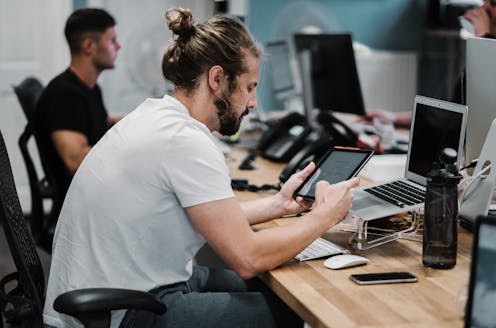
While there is a general consensus hybrid work is here to stay, going back to the office even some of the time might feel strange and overwhelming. Returning to the commute and re-establishing routines and relationships in the workplace is likely to be partly energising and partly exhausting.
Since research has shown employees can work effectively at home, workers are likely to be coming to the office for different reasons, including collaboration, learning and connecting with others.
And while many are looking forward to some time with their colleagues that isn’t on Zoom, there are downsides to manage. With employers giving up floorspace as more and more companies adopt a hybrid work model, the new office might be smaller, and noisier. For many employees, returning to the office will mean a return to the noise and distraction that is among the leading complaints employees have about their offices.
Read more: Even Google agrees there's no going back to the old office life
Managing noise and interruption
In addition to not having to commute, for many employees, fewer interruptions and less noise from coworkers were some of the key benefits of working from home. So returning to the office might feel like quite a shock.
My own research has measured the effects of typical open-plan office noise, finding significant increases in physiological stress and negative mood, even after a short exposure time.
Research has shown it can be difficult to concentrate in large open-plan office spaces. Using headphones and working in quieter break away spaces can help.
Taking breaks and getting outside is essential: spending time in nature has evidence-backed benefits for our physical and mental health.
Reconnecting
In a landscape of virtually no conferences or live work events for the past two years, and long periods of working from home, many employees might feel uncertain about building relationships face-to-face. And with many employees having started their careers or moved jobs during the pandemic, a lot of us have never met some of our co-workers. It’s natural we might be feeling a bit rusty.
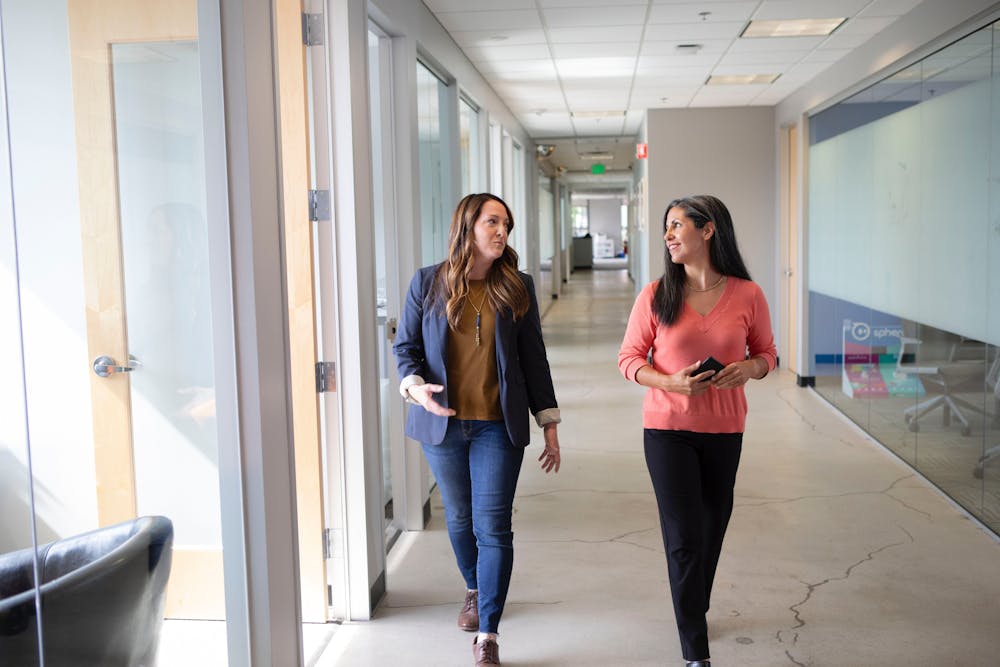
Getting out for a coffee, doing a walking meeting in nature or having a team lunch can be good ways to ease back into face-to-face interactions.
Managing stress and anxiety
If you’re feeling stressed or anxious about returning to the office, you’re not alone.
Anxiety is the most common mental health disorder in Australia, and can have a significant effect on both work and our lives. And social anxiety – anxiety associated with social or performance situations – affects up to 13% of Australians.
As experts point towards an end to the pandemic, concerns have been raised about a looming mental health pandemic. Data from the World Health Organisation suggests the COVID pandemic has triggered a 25% increase in the prevalence of anxiety and depression worldwide, with young people and women most affected.
Studies by the American Psychological Association prior to the pandemic showed that for 64% of American adults, work was a significant source of stress, and the most common personal stressor. As we return to the office, this issue is more important than ever. In a June 2021 study by McKinsey of 245 employees who had returned to the office, one-third reported negative mental health impacts.
Read more: Dressed for success – as workers return to the office, men might finally shed their suits and ties
Mindfulness – focusing our attention and awareness in the present – can be a useful tool for managing stress and anxiety in the workplace. Research has shown mindfulness practices are beneficial for our well-being – including emotional exhaustion, psychological detachment, and stress.
Mindfulness has organisation benefits as well, including for intrinsic motivation, work engagement, creativity, and conflict management.
To introduce mindfulness into your work day doesn’t mean you have to sit down for a 20 minute meditation (although that will help). Taking small breaks away from your desk and phone and focusing on your breath or a view of nature is a great start. While taking a few minutes to do this regularly in the day might not seem like much, the benefits add up.
 Taking small breaks away from your desk can help with mindfulness in the office.
marvin meyer/unsplash, CC BY
Taking small breaks away from your desk can help with mindfulness in the office.
marvin meyer/unsplash, CC BY
It’s also essential organisations have clear support structures in place to provide assistance to employees, such as knowing who to talk to if they are facing difficulties and access to counselling services in employee assistance programs.
How to make it work
Employers can take practical steps to make the return to the office easier. Starting slowly, with just one day in the office to begin with, can help employees adjust. Retaining flexibility around work hours on the days in the office will be important for employees who have benefited from the increased ability to balance their work and lives while working from home.
There is no one-size-fits-all approach and employers should be cautious about setting blanket policies. Creating a culture where employees feel comfortable to have conversations and to ask for help is essential. While there has been progress around the perceived stigma in discussing mental health at work, it’s important to recognise there is a long way to go.
It’s important to remember there are options outside of just home or office. Third locations such as co-working spaces give employees the ability to connect with others when they choose, as well as to create new networks and enjoy social connection.
Authors: Libby (Elizabeth) Sander, Assistant Professor of Organisational Behaviour, Bond Business School, Bond University


















