

IPCC finds the world has its best chance yet to slash emissions – if it seizes the opportunity
- Written by: Thomas Wiedmann, Professor of Sustainability Research, UNSW Sydney
The world has its best chance yet to reduce greenhouse gas emissions quickly, but hard and fast cuts are needed across all sectors and nations to hold warming to safe levels, the global authority on climate change says.
The Intergovernmental Panel on Climate Change (IPCC) report, released today, says opportunities to affordably cut global emissions have risen sharply since the last assessment of this kind in 2014. But the need to act has also become far more urgent.
The report is the definitive assessment of how well the world is doing in finding solutions to rising temperatures. We each contributed expertise to the report.
Here, we explain key aspects of the findings and what it means for the world, including Australia.
Earth remains on red alert
- Glen Peters, lead author on mitigation pathways compatible with long-term goals
The report finds the world has made progress on emissions reduction over the last decade. Growth in greenhouse gas emissions slowed to 1.3% per year in the 2010s, compared to 2.1% in the 2000s.
But global emissions remain at record highs. If policy ambition does not ramp up immediately, warming will shoot past 1.5℃ and be well on the way to 2℃ – failing to meet the temperature goals of the Paris Agreement.
Alarmingly, the world’s current policies put us on track for global warming of between 2.2℃ and 3.5℃ within 80 years. It’s far better than the 4℃ or more feared about a decade ago, but still far from consistent with the Paris Agreement.
Read more: IPCC says the tools to stop catastrophic climate change are in our hands. Here's how to use them
To have a 50% chance of keeping global warming to 1.5℃ by century’s end, global CO₂ emissions must halve in a decade, reach net zero in the 2050s and go net negative thereafter.
Methane emissions would also have to halve by 2050 in these scenarios.
Halving global emissions by 2030 is viable and achievable, the IPCC says. But it requires an immediate step change in climate policy across all sectors, countries and levels of government.
Rich nations must make the most rapid emissions reductions. This includes Australia, where a plan for net zero emissions by 2050 falls short of the ambition needed and is not yet backed by policy.
More than technology
- Tommy Wiedmann, lead author on emissions trends and drivers
The report is a comprehensive catalogue of what can be done – but has mostly not yet been done – to avert devastating climate change.
Some trends are encouraging. Some 36 countries have successfully cut greenhouse gas emissions over more than a decade.
And opportunities to cut emissions affordably and cheaply have multiplied enormously since 2014, the report finds.
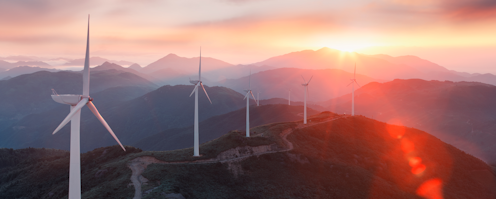
This is largely due to the plunging costs of renewables, which promises emissions reduction beyond the energy sector in areas such as manufacturing and heavy transport. We expand on the options here.
But change is not coming fast enough. The report confirms all energy efficiency gains in the last decade have been more than outpaced by economic and population growth.
Technology is not a silver bullet. To have a chance of halving global emissions by 2030, we must use fewer high-carbon products and adopt less emissions-intensive lifestyles. Like all other changes required, these cannot be incremental, the IPCC says.
Australia is blessed with a bounty of renewable energy resources. Used wisely, it could slash domestic emissions and help reduce other countries’ emissions, in the form of zero-emissions energy exports.
No-one gets left behind
- Arunima Malik, lead author on introduction and framing
In 2016, the United Nations Sustainable Development Goals – an action plan for people, planet and prosperity – came into effect.
Sustainable development meets the needs of the present without compromising future generations. And as the latest IPCC report emphasises, it cannot be achieved without effective climate action.
One Sustainable Development Goal explicitly focuses on tackling climate change. But climate action is linked to all other goals, including those relating to energy, cities, industry, land, water and people.
Emissions reduction policies must be inclusive and avoid unintended consequences such as exacerbating existing poverty and hunger. The transition to a low-carbon world should be equitable and leave no-one behind.
The IPCC report calls for both accelerated climate action and a just transition. This requires well-designed policies at all levels of government, and across all sectors. International co-operation is key.
Is the Paris Agreement working?
- Jacqueline Peel, lead author on international cooperation
This report is the first to assess the Paris Agreement, which took effect from 2020. Under the agreement, countries submit and update pledges on emissions reduction and adapting to the changing climate.
For these pledges to be achieved globally, high-income countries must help other nations by providing finance, access to clean energy technologies, and other assistance and know-how.
The IPCC identified a shortfall in global climate finance. In particular, high-income countries missed their 2020 target to mobilise $US100 billion per year.
The Paris Agreement is a treaty but the pledges are voluntary. Countries set their own targets and can’t be forced to meet them. So, is it working?
According to this new report, it largely is – albeit slowly. For instance, it has encouraged nations such as Australia to make more ambitious emissions pledges.
It has also enhanced transparency, enabling outside groups, such as those in civil society, to assess countries’ progress.
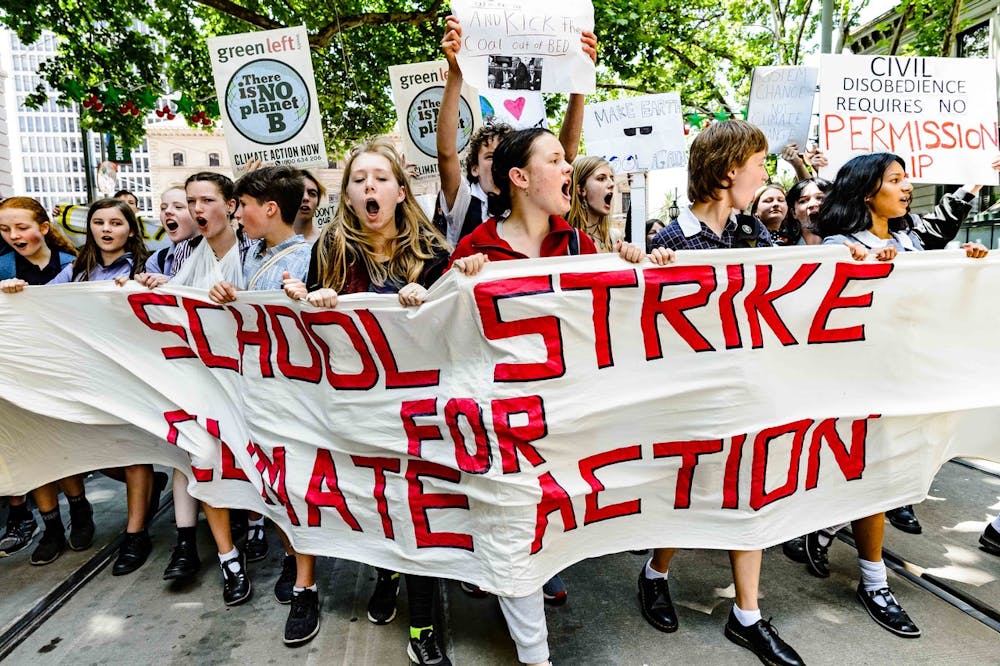
Other international mechanisms, such as global business partnerships and youth climate protests, are also driving change.
But more must be done to halve emissions this decade.
Cities are central
- Xuemei Bai, lead author on urban systems and other settlements
The IPCC report found around 70% of the world’s greenhouse gas emissions are produced in cities and urban areas. This offers both challenges and opportunities for emissions reduction.
To date, more than 1,000 cities worldwide have signed up to net-zero emission goals, including many in Australia.
To fulfil the Paris Agreement, more cities must step up and work towards goals such as 100% renewable energy, zero-carbon transport, decarbonising construction and improving waste management.
Developing countries are rapidly urbanising, which requires new housing and infrastructure. But doing so in a business-as-usual way could lead to substantial new emissions, the IPCC warns.
City leaders must embrace integrated planning and management to meet the climate challenge. This must be achieved while cities continue their important roles in maintaining social, economic and environmental well-being.
We need all hands on deck: businesses, communities, researchers and citizens.
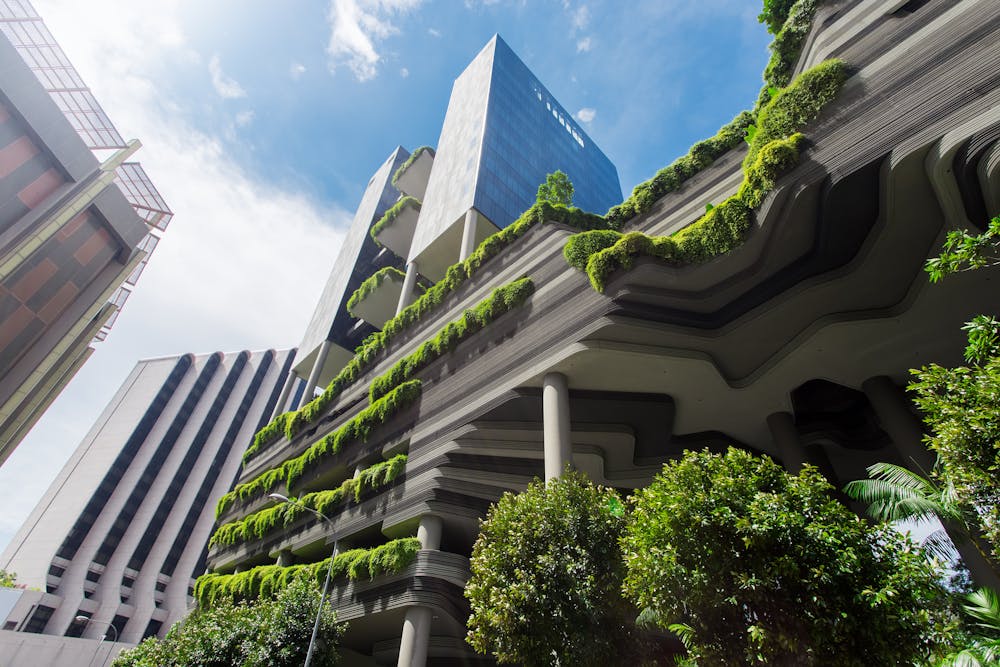 We need greener cities with lower emissions.
Shutterstock
We need greener cities with lower emissions.
Shutterstock
Seize the opportunity
This latest report shows how the choices we make now will determine the fate of generations to come – and all life on this planet.
Humanity has already missed so many opportunities to stabilise Earth’s climate. We now have the chance to right some of those past wrongs.
Only an urgent, concerted effort across all sectors and nations, starting today, will deliver the change needed.
Annette Cowie, Frank Jotzo, Jake Whitehead and Peter Newman contributed to this article. See part two of the article here.
Authors: Thomas Wiedmann, Professor of Sustainability Research, UNSW Sydney


















