

Google AI


Modern Australian

Regaining fitness after COVID infection can be hard. Here are 5 things to keep in mind before you start exercising again

  • Written by: Clarice Tang, Senior lecturer in Physiotherapy, Western Sydney University
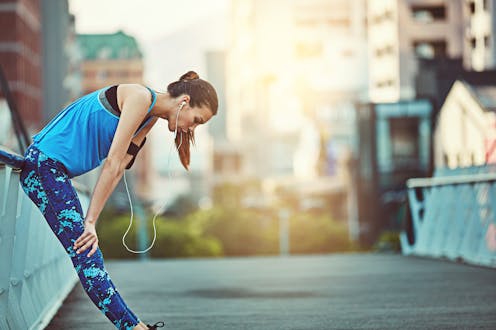
Regaining fitness after COVID infection can be hard. Here are 5 things to keep in mind before you start exercising again

Are you finding it difficult to get moving after having COVID? You are not alone. Even if you have mild symptoms, you may still experience difficulty in regaining your fitness.

Building back up to exercise is important, but so is taking it slowly.

In general, most people can start to return to exercise or sporting activity after experiencing no symptoms for at least seven days. If you still have symptoms two weeks post-diagnosis, you should seek medical advice.

It’s normal for your body to feel fatigued while you are fighting a viral infection, as your body uses up more energy during this period. But it’s also very easy to lose muscle strength with bed rest. A study of older adults in ICU found they could lose up to 40% of muscle strength in the first week of immobility.

Read more: Fatigue after COVID is way more than just feeling tired. 5 tips on what to do about it

Weaker muscles not only negatively impact your physical function but also your organ function and immune system, which are vital in regaining your strength after COVID-19.

You might consider doing some very gentle exercises (such as repeated sit to stands for a minute, marching on the spot or some light stretches) to keep your joints and muscles moving while you have COVID, especially if you are older, overweight, or have underlying chronic diseases.

Read more: At home with COVID? 5 easy tips to help you breathe more easily

Five things to keep in mind about exercising after COVID

If you do feel you are ready to return to exercise and have not experienced any COVID-related symptoms for at least seven days, here are five things to remember when resuming exercise.

1)Adopt a phased return to physical activity. Even if you used to be a marathon runner, start at a very low intensity. Low intensity activities include walking, stretching, yoga and gentle strengthening exercises.

2)Strengthening exercises are just as important as cardio. Strength training can trigger the production of hormones and cells that boost your immune system. Bodyweight exercises are a great starting point if you do not have access to weights or resistance bands. Simple bodyweight exercises can include free squats, calf raises and push-ups.

3)Don’t over-exert. Use the perceived exertion scale to guide how hard you should be working. For a start, aim to only exercise at a perceived exertion rate of two or three out of ten, for 10-15 minutes. During exercise, continue to rate your perceived level of exertion and do not push past fatigue or pain during this early stage as it can set your recovery back.

4)Listen to your body. Only progress the intensity of your exercise and lengthen your exercise duration if you do not experience any new or returning symptoms after exercise, and if you have fully recovered from the previous day’s exercise. Do not over-exert. You may also need to consider having a rest day between exercise sessions to allow time for recovery.

5)Look out for worrying symptoms. If you experience chest pain, dizziness or difficulty with breathing during exercise, stop immediately. Seek urgent medical advice if symptoms persist after exercise. And if you experience increased fatigue after exercise, talk to your GP.
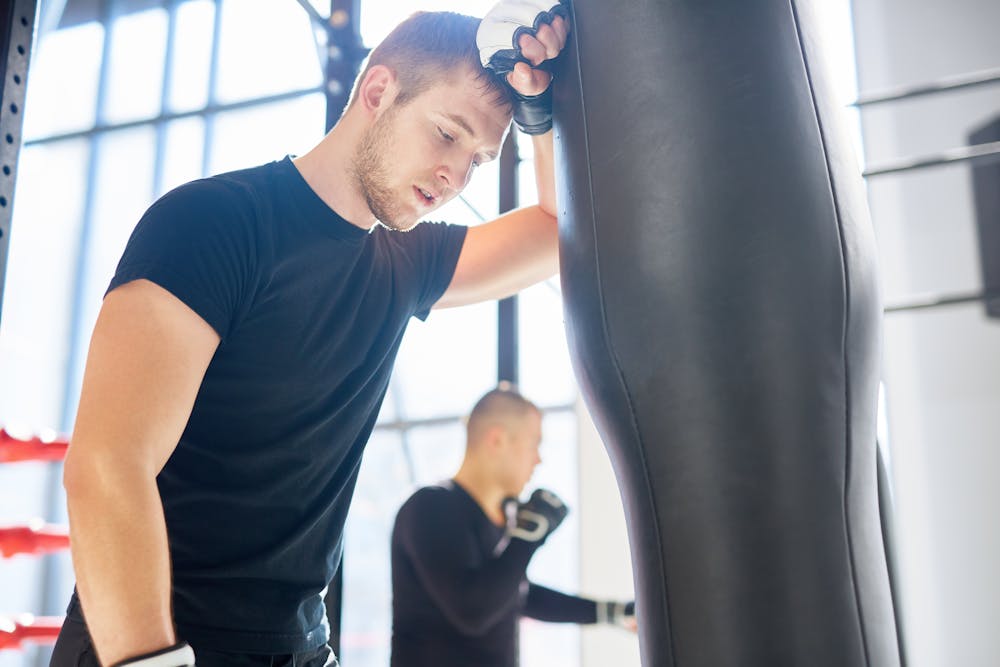
Man leaning on boxing bag to take a rest
If you experience pain or fatigue during exercise, don’t push through, stop. Shutterstock

Beware post-exertional malaise

For most people, exercise will help you feel better after COVID-19 infection. But for some, exercise may actually make you feel worse by exacerbating your symptoms or bringing about new symptoms.

Post-exertional malaise can be experienced by people resuming exercise post-COVID infection. It occurs when an individual feels well at the start of the exercise but experiences severe fatigue immediately afterwards. In addition to fatigue, people with post-exertional malaise can also experience pain, emotional distress, anxiety and interrupted sleep after exercise.

If you believe you may have post-exertional malaise, you need to stop exercise immediately. Regular rest and spreading your activities throughout the day is needed to avoid triggering post-exertional malaise. Seek advice from your doctor or see a physiotherapist or exercise physiologist who can give you advice on how best to manage this condition.

Authors: Clarice Tang, Senior lecturer in Physiotherapy, Western Sydney University

Read more https://theconversation.com/regaining-fitness-after-covid-infection-can-be-hard-here-are-5-things-to-keep-in-mind-before-you-start-exercising-again-180588

Pool and Deck Design: How to Plan the Perfect Outdoor Living Space for Your Sydney Home

For many Australians, the backyard is where life happens. Summer barbecues, weekend swims and long evenings outdoors are all part of the lifestyle, ...

Is Solar Pool Heating Worth It? What Sydney Homeowners Should Know

There's nothing quite like a backyard pool on a hot Sydney day. But once autumn rolls in, many pools sit unused for months because the water is simp...

Planning a Luxury House Move: A Week-by-Week Timeline for Prestige Sydney Homes

Selling or buying a prestige home is a major milestone. Whether it's a waterfront residence in Birchgrove, a grand Federation home in Haberfield or ...

Downsizing or Upgrading Your Caravan? Here's How to Sell It Without the Hassle

Selling a caravan can feel like a major task, especially when you are unsure about its value, paperwork, or how to find a buyer. Whether you are dow...

The Best Overseas Adventure Holidays for Australians Who Love the Outdoors

Australia offers no shortage of incredible outdoor experiences, but sometimes the best way to satisfy your sense of adventure is to head overseas. A...

Cape Town Wine Shuttle: Winelands Tasting & Tours

Embark on an unforgettable journey through the picturesque Cape Winelands, where world-class wines and breathtaking scenery await. Our Cape Town Win...

Why Giant Rats Tail Grass Keeps Coming Back After Spraying

Giant Rats Tail Grass (GRT) is one of the most frustrating pasture weeds for farmers and lifestyle property owners. You spray an infested area, see th...

When Custom Cardboard Boxes Make Sense for Your Business

Custom cardboard boxes can be useful when a standard carton does not fit a product, packing method or presentation requirement particularly well. A ...

Bottle Label Printing: Key Factors for a Professional Finish

Why the Printing Method Matters When businesses need packaging or printed containers developed for a particular application, the right supplier can m...

Virtual Livestock Fencing and GPS Tracking: Improving Visibility Across Cattle Properties

What Virtual Livestock Fencing Means for Modern Cattle Management Managing cattle across extensive properties requires more than knowing where anim...

Sydney Pawnbrokers Explained: How Hocking Your Car Actually Works

Sometimes you need cash, and you need it soon. If you own a car, you may already have a way to get it. That's what people mean when they say they've...

Moving Interstate from the Gold Coast to Brisbane (or Back)? What Removalists Wish You Knew First

Have you talked to anyone who’s done the move? They say the same thing: the drive up the M1 is the easy part. It's everything around it that catches...

Why the Spring School Holidays Are a Great Time to Visit Coffs Harbour

The spring school holidays are a good time to spend a few days on the Coffs Coast. The weather is starting to warm up, there is plenty to do outdoor...

What to Do When an Older Car Is No Longer Worth Keeping in Melbourne

Ever looked at another repair quote and wondered whether your old car is still worth the trouble? It is a common turning point for Melbourne motoris...

Your Baby's First Year: A Local Guide to Feeding, Sleep, and When to Get Extra Support

Ask ten parents in a Brisbane mothers' group how their baby is feeding or sleeping, and expect ten different answers.  Someone's baby sleeps throug...

Kitchen and Laundry Makeover Ideas That Don't Require a Full Renovation

Full kitchen renos are expensive — and most people don't actually need one.  They need the kitchen to stop looking like it's stuck in 2009, or they...

How Technology Is Reshaping the Modern Australian Commercial Kitchen

The commercial kitchen has always been shaped by technology. Refrigeration changed how ingredients could be stored, modern ventilation transformed k...

The Number on a Roller Blind Fabric That Nobody Explains

Somewhere in the fabric book, next to the colour name, there is a percentage. Three per cent. Five per cent. Ten per cent. Nobody explains it, most c...
















