

Cases are high and winter is coming. We need to stop ignoring COVID
- Written by: Nancy Baxter, Professor and Head of Melbourne School of Population & Global Health, The University of Melbourne
In a poll conducted by the Guardian in August of 2021 about the number of deaths Australians would be willing to accept as restrictions eased, only 3% of respondents felt that 5,000 or more COVID-related deaths per year would be acceptable.
Sadly we have surpassed that milestone in the first four months of this year alone.
Each day, an average of 45,000 Australians are reporting cases of COVID, a number that is rising and likely a substantial underestimate.
Yet where are the sensible public health measures to stem the tide of illness and death?
Read more: Reducing COVID transmission by 20% could save 2,000 Australian lives this year
People are dying of COVID
Sadly we are now leading the world in COVID cases per capita.
But did these people die of or with COVID? This question is raised often by those who wish to diminish the impact of the pandemic, including former prime minister Scott Morrison.
The evidence, however, is clear – of all people who died “of” or “with” COVID during the pandemic in Australia, 90% have died of COVID.
Even if we concern ourselves only with excess death rates (that is, deaths exceeding what would usually be expected) COVID is a major killer. The Australian Bureau of Statistics evaluated deaths in January 2022, around the time of the peak in COVID cases during the first Omicron wave in Australia. Comparing the observed mortality rate to the usual pre-COVID rate, they found 22% more deaths in that month than expected.
COVID is currently on track to be one of the leading causes of death in Australia this year.
Long COVID will affect many Australians infected, perhaps up to 30%. And the other long-term effects of COVID are not yet known.
The number of deaths and long COVID are only part of the story. The health care system right now is in crisis throughout the country with people dying waiting for ambulances, record levels of ambulance ramping (where patients wait with paramedics for medical attention), prolonged emergency stays for patients in overcrowded departments, and hospital staff shortages.
Add to that we are now facing our first flu season in two years, with weekly numbers now exceeding the average for the past five years.
Coupled with a lower-than-average uptake of the flu vaccine this year, the flu season is shaping up to potentially be a severe one – potentially resulting in up to 30,000 people requiring admission to hospital.
With winter coming, and more people gathering indoors as the weather turns cold, COVID cases may also rise in tandem with influenza.
We can reduce cases
This looming disaster can be averted: we can reduce transmission and “flatten the curve” with simple actions.
We have seen the impact the relaxation of public health restrictions and protections like mask-wearing mandates have made in terms of driving transmission.
Read more: Australia is failing marginalised people, and it shows in COVID death rates
In Western Australia, relaxation of public health measures including mask wearing and household contact isolation occurred on April 29. Within days of these changes, case numbers reached record highs – there are now 100 more people hospitalised with COVID every day than before these changes went into effect.
It would stand to reason reinstating these two measures would have the opposite effect – fewer cases, fewer people in hospital, and fewer people dying of COVID.
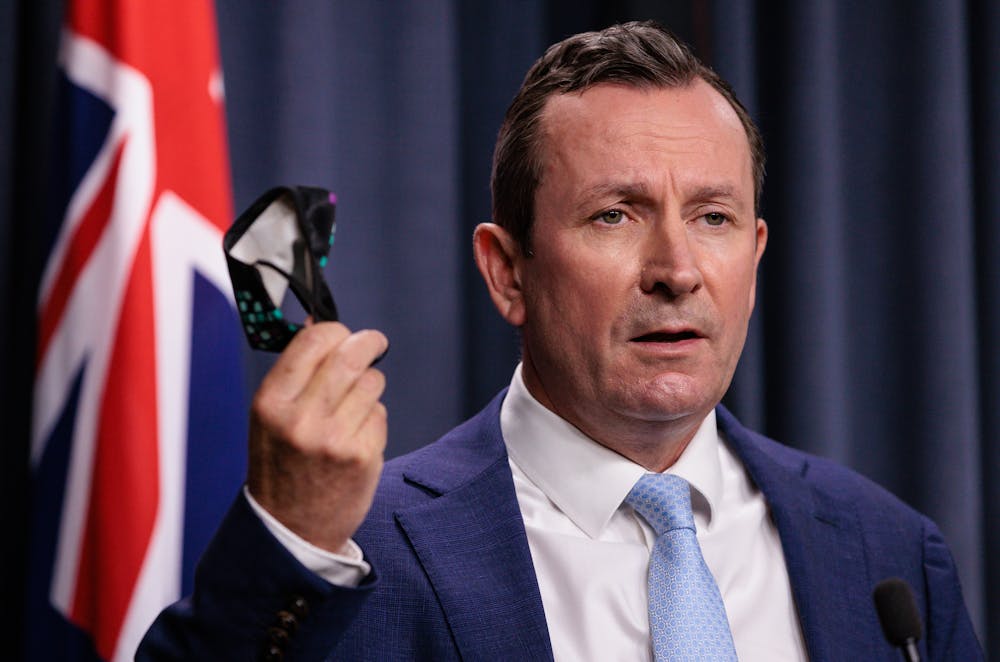 Western Australia saw a huge uptick in cases after removing masks and isolation requirements.
AAP Image/Richard Wainwright
Western Australia saw a huge uptick in cases after removing masks and isolation requirements.
AAP Image/Richard Wainwright
The Australian Medical Association has called for an increase in voluntary use of masks, yet its pleas are being ignored. It seems without mandates most people are unwilling to wear masks, so reinstating these mandates for indoor gatherings should be considered.
Boosters and treatments are vital
We also need to use the tools we have to prevent serious disease in people who contract COVID.
Although vaccinations have maintained effectiveness for serious illness, hospitalisation, and death, our protection has waned over time and has also been reduced due to Omicron’s increased immune-evasion.
The impact of a booster dose is substantial, with high levels of protection against severe outcomes demonstrated with a third dose. Yet only 70% of the population of Australia has received a booster and numbers are not increasing.
For those who have been boosted, the fourth dose prevents severe disease in those most at-risk, but to date, most eligible people are yet to receive it.
If delivered early to those most at risk of severe disease, antiviral medications can reduce the risk of hospitalisation. But to access these medications, patients must have access to testing and a knowledgeable care provider all within five days of the onset of symptoms. The GP community is trying, but inequitable distribution of these treatments will occur without more education and support for the clinicians at the coalface.
A clearly articulated vision of what is at stake and what actions we need to take to avert disaster is the leadership we need right now.
A few simple public health measures such as mask mandates and reinstating isolation for household contacts of positive cases could make a major difference saving lives. And ensuring provision of boosters and early antiviral therapy for those at-risk despite vaccination will also save lives.
Pretending the pandemic is in the rear-vision mirror will help no one.
Authors: Nancy Baxter, Professor and Head of Melbourne School of Population & Global Health, The University of Melbourne


















