Women are at greater risk of stroke, the more miscarriages or stillbirths they've had
- Written by: Gita Mishra, Professor of Life Course Epidemiology, Faculty of Medicine, The University of Queensland
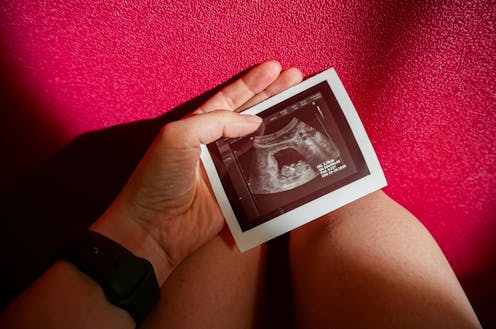
New research shows women who have had a miscarriage or stillbirth, have an increased risk of stroke – when blood can’t get to the brain, because of a blocked or burst artery. That risk increases with each miscarriage or stillbirth.
Trying to establish this link is difficult because it requires following a large number of women over a long period of time and having reliable data on women’s experiences. Our study, published by the British Medical Journal today, is the first to conclusively show the link between pregnancy loss and stroke.
Many women are unaware their experiences during pregnancy can be an early marker of later health dangers. Our findings show their doctors should be alert to their increased risk.
It’s possible infertility, miscarriage, and stillbirth could increase stroke risk because of other health issues. These could include endocrine disorders (low oestrogen or insulin resistance), inflammation, problems with endothelial cells that assist in blood flow, psychological disorders, unhealthy behaviours (such as smoking) or obesity.
Heartbreak then stroke risk
Our research is based on pooled data from 618,851 women who took part in eight separate studies in Australia, China, Japan, Netherlands, Sweden, the United Kingdom and the United States.
The women were aged between 32 and 73 when they were first enrolled in the studies and were followed up for an average of 11 years.
The study showed that over the time they were studied, 9,265 (2.8%) women had at least one non-fatal stroke and 4,003 (0.7%) women had a fatal stroke. Overall, 91,569 (16.2%) women had a history of miscarriage while 24,873 (4.6%) had a history of stillbirth.
Among the women who had ever been pregnant, women who had reported a miscarriage had a 11% higher risk of a non-fatal stroke and 17% higher risk of a fatal stroke compared with women who have not had a miscarriage.
The risk increased with each miscarriage, so that women who had three or more miscarriages had a 35% higher risk for non-fatal stroke (from incidence rate of 43 per 100,000 “person years” to 58 per 100,000) and an 82% higher risk in fatal strokes (from 11.3 per 100,000 person years to 18 per 100,000) compared with women who had never miscarried.
Stillbirth also significantly increased the risk of stroke.
Among women who had ever been pregnant, women who had a history of stillbirth had a 31% higher risk of non-fatal strokes (from an incidence rate of 42 per 100,000 person years to 69.5 per 100,000) and a 7% higher risk of fatal strokes.
Again, the greater the number of stillbirths, the higher the risk of later strokes, with women who had had two or more stillbirths having a 26% higher risk of fatal strokes (rising from 11 per 100,000 person years to 51.1 per 100,000).
The study is the first to show links with stroke subtypes: stillbirths were linked to non-fatal ischaemic (blockage) stroke or fatal haemorrhagic (bleeding) stroke; miscarriages were linked to both subtypes.
Our study strengthens findings from a previous systematic review that found similar results but showed limited evidence linked to stroke subtypes.
Of the possible explanations for these links, problems with endothelial cells (which control vascular relaxation and contraction as well as release blood-clotting enzymes) might lead to pregnancy loss through problems with the placenta. These problems also relate to how blood vessels dilate and get inflamed or blocked during stroke.

Read more: What causes miscarriages? A doctor explains why women shouldn't blame themselves
Adjusting for known risk factors
Our findings were adjusted for many of the known risk factors for stroke: body mass index, whether the women smoked or not, whether they had high blood pressure, or diabetes. The numbers were also adjusted for ethnicity and education level.
By adjusting for risk factors, we can isolate the increased risk likely linked to the number of miscarriages or stillbirths the women.
Read more: Remind me again, why is salt bad for you?
What should women and their doctors do with this information?
When doctors do a heart health check, they look at the risk of cardiovascular disease overall – that is, heart disease, heart failure and stroke. By considering these risks, doctors assess and predict the risk of future disease.
The current Australian guidelines recommend heart health checks should be conducted regularly for people aged 45 to 74, or for Aboriginal and Torres Strait Islander peoples from the age of 30 – this is when the risk of cardiovascular disease starts to increase.
The guidelines recommend medication (blood pressure medication and/or lipid-lowering medication such as statins) when the risk of cardiovascular disease is greater than 15% in the next five years.
These guidelines are currently being updated by the Australian Chronic Disease Prevention Alliance (which includes the Cancer Council Australia, Diabetes Australia, Kidney Health Australia, National Heart Foundation of Australia and the Stroke Foundation), but more recent international guidelines recommend medication at lower levels of risk.
 Doctors should be aware and consider women’s pregnancy history in assessing stroke risk.
Shutterstock
Doctors should be aware and consider women’s pregnancy history in assessing stroke risk.
Shutterstock
Read more: I'm approaching a 'milestone' birthday. What health checks should I have at my age?
No matter what your risk of cardiovascular disease is, the best way to prevent having a stroke is by living as healthy a lifestyle as possible: stopping smoking, eating a healthy diet, having a moderate alcohol intake and doing regular exercise.
These lifestyle measures lower risk for everybody, but doctors will try particularly hard to help people do this who are at long term risk.
Our research shows miscarriage and stillbirth are signals a woman is at increased risk of cardiovascular disease. These events occur many years before a woman develops other risk factors, such as high blood pressure, diabetes or high cholesterol.
Women who have experienced a miscarriage or stillbirth should discuss these with their doctor. Knowing you have a higher risk of stroke is opportunity to monitor your health and make lifestyle changes that can help prevent stroke.
GPs need to ask about women’s reproductive histories and be aware of recurrent miscarriage and stillbirths as potential predictors of stroke risk.
Authors: Gita Mishra, Professor of Life Course Epidemiology, Faculty of Medicine, The University of Queensland