

we show how these high-tech tools are helping nature heal
- Written by: Jake M Robinson, Ecologist and Researcher, Flinders University
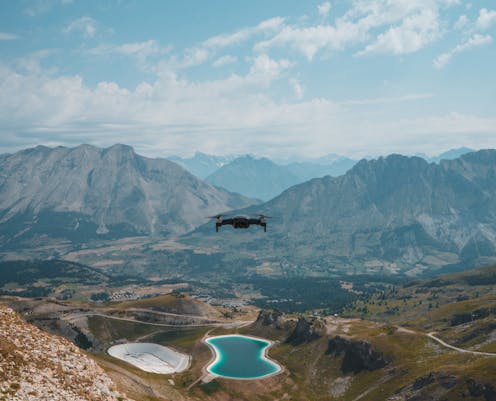
Technology has undoubtedly contributed to global biodiversity loss and ecosystem degradation.
Where forests once stood, artificial lights now illuminate vast urban jungles. Where animals once roamed, huge factories now churn out microchips, computers, and cars. But now, we can also leverage technology to help repair our precious ecosystems.
Here, we discuss our two new research papers published today. They show how drones and genomics (the same technology used to identify COVID strains) can help protect and restore nature.
One paper demonstrates that drones can help safeguard biodiversity and monitor ecosystem restoration activities. They can also help us understand how impacts in one ecosystem may affect another.
Genomics can help identify populations that may be vulnerable to future climate change, and monitor elusive animals such as platypuses, lynx, and newts. Yet, our other paper found ecologists without genomics expertise thought the technology still needed to be tried and tested.
Remote sensing with drones
Drones are an increasingly common sight in, for instance, urban parks and weddings. Farmers also use them to assess crop health, and engineers use them to detect damage to bridges and wind turbines.
Drone technology has rapidly advanced over the last decade. Advancements include obstacle avoidance, enhanced flight times, high-definition cameras, and the ability to carry heavier payloads.
Read more: Five of the world's tiniest robots
But can drones help repair damaged ecosystems? We reviewed the scientific literature from various environmental sectors to explore the existing and emerging uses of drones in restoring degraded ecosystems. The answer, we found, is a resounding “yes”.
We found drones can help map vegetation and collect water, soil, and grassland samples. They can also monitor plant health and wildlife population dynamics. This is essential for understanding whether a restoration intervention is working.
In Australia, for instance, drones have helped researchers identify the habitat requirements for marsupials such as the spotted-tailed quoll and the eastern bettong. Thanks to having the drone’s birds-eye view, researchers and practitioners are gaining a better understanding of what vegetation to restore as well as new approaches to monitor the return of critical habitat.
Famously, drones have recently been used to plant trees by dropping “seed bombs” to help restore forests. While drone-based tree planting has potential, it still requires more research as the survival rate of seedlings is currently poor.
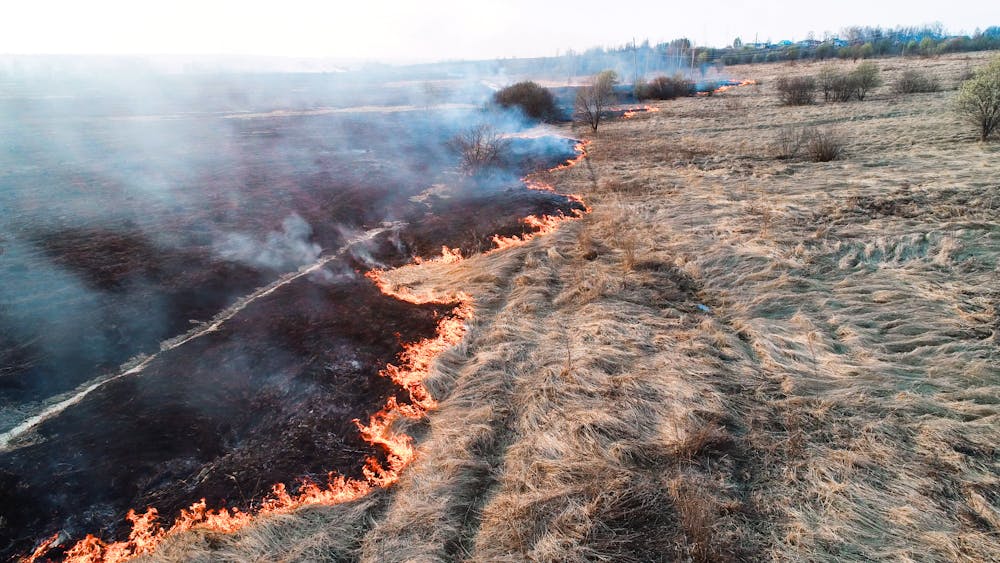
Some researchers have even developed bushfire-fighting drones to protect sensitive ecosystems. This is where one drone detects fire using thermal technology, and another puts it out by dropping fire-extinguishing balls. But controlled wildfires can sometimes be vital to ecosystem restoration, so we can also use drones to drop tiny fireballs, too.
Read more: Heat-detecting drones are a cheaper, more efficient way to find koalas
However, there are many pitfalls to consider when using drones. In the wrong hands, drones can be a nuisance and harm wildlife.
Studies have shown flying too close to animals, such as birds and bears can impact their physiology. For example, a 2015 study showed drones flying too close to American black bears caused their heart rates to rise – even for one bear deep in hibernation.
Drone pilots should acquire appropriate licences and follow strict protocols when flying them in sensitive habitats.
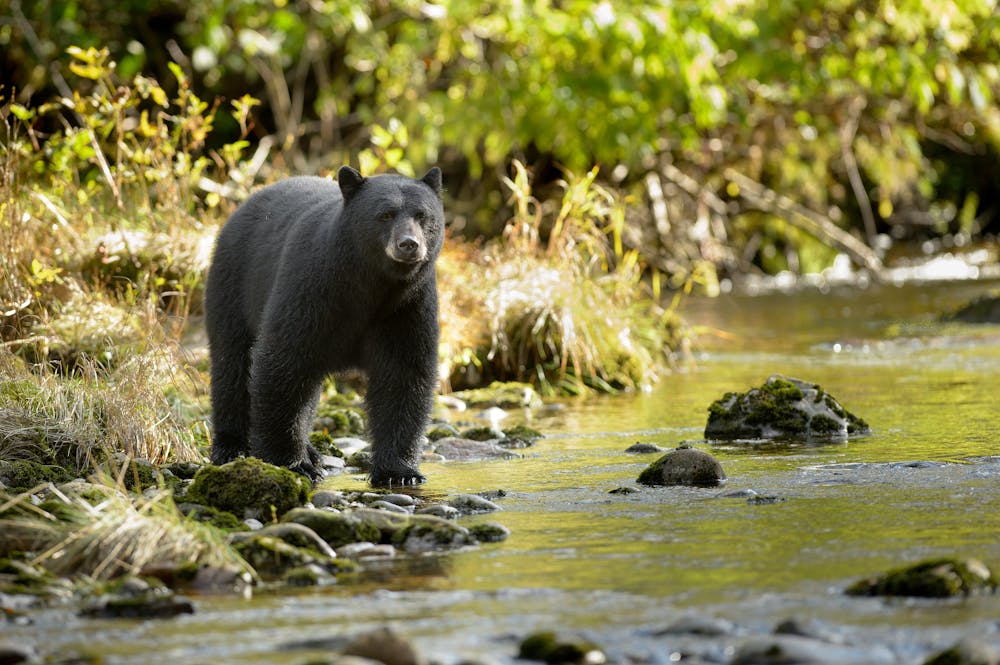 A study found black bears became stressed when drones flew too close.
Shutterstock
A study found black bears became stressed when drones flew too close.
Shutterstock
Genomics: valuable, yet misunderstood
Genomics is a toolkit jam-packed full of innovative ways of looking at DNA, the blueprint of life on Earth. When scientists talk about genomics, they usually refer to modern DNA sequencing technologies or the analysis of vast collections of DNA.
But despite the potential for genomics to improve ecosystem restoration, our recent study showed restoration scholars without genomics experience were concerned genomics was over-hyped.
We interviewed leading experts in different ecology disciplines and found many called for case studies to demonstrate the benefits of genomics in restoration.
But surprisingly, we found restoration genomics literature included over 70 restoration genomics studies, many of which used environmental DNA to monitor ecosystem health. So, plenty of case studies already exist.
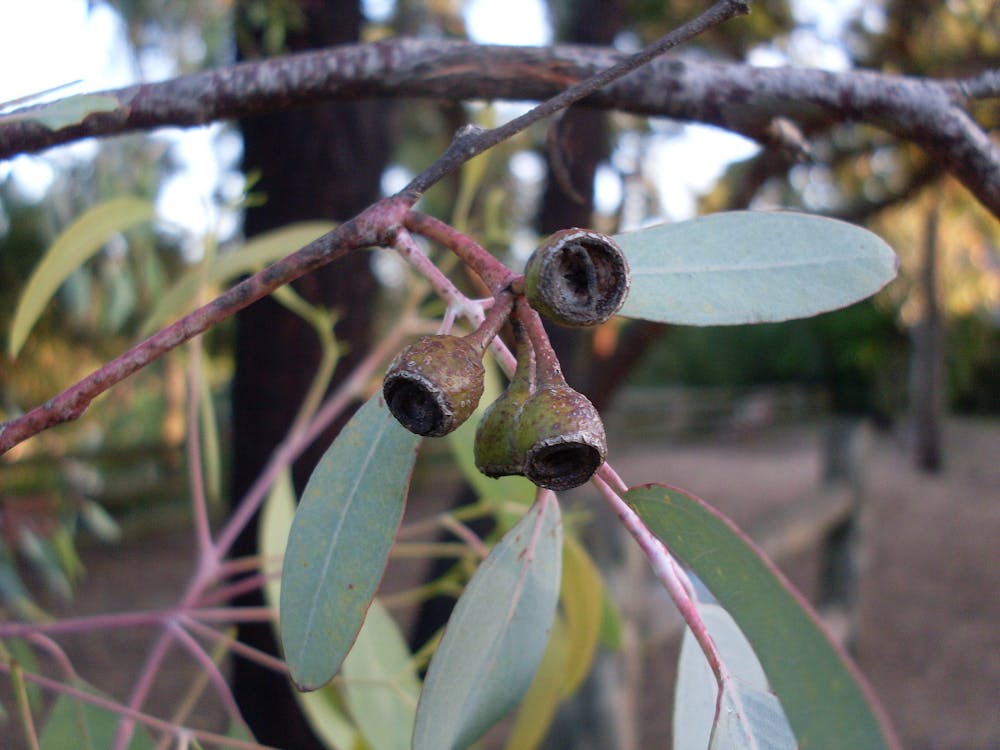 Genomics can help choose which seeds of red ironbark trees can withstand the changing climate.
John Tann/Wikimedia, CC BY-SA
Genomics can help choose which seeds of red ironbark trees can withstand the changing climate.
John Tann/Wikimedia, CC BY-SA
In ecosystem restoration, the two most common genomics applications are population genomics and environmental DNA.
Population genomics studies small differences in an organism’s genome to answer questions such as how much genetic variation exists in a population, how related individuals are, or how landscapes change migration patterns.
Linking changes in DNA sequences to historical climates has become central to modern-day nature conservation and restoration. It allows us to understand how resilient animals, plants and microbes are to future climates.
For example, we have used this approach to select robust tree seeds, such as red ironbark (Eucalyptus tricarpa), for woodland restoration plantings across southeast Australia. Using genomics to select the most resilient seeds gives the trees the best chance of surviving in a changing climate.
Read more: We've unveiled the waratah's genetic secrets, helping preserve this Australian icon for the future
Scientists can also gain insights into ecosystems and monitor elusive species using the DNA organisms leave behind in environments, such as soil or water.
This environmental DNA data can help track the presence of species — invasive, endangered, or cryptic — and help measure community health and diversity. This includes pollinators such as bees, other animals and plants and our invisible friends, the microbes.
For instance, in the United Kingdom, ecologists currently use environmental DNA to detect the presence of vulnerable amphibians, such as great crested newts.
Where to from here?
Greater uptake of remote sensing and genomics in restoration has clear potential to help improve the monumental task of restoring our degraded ecosystems. Our papers outline ways for restoration ecologists to integrate drones and genomics into their toolboxes.
Given humans have caused substantial degradation to global ecosystems, it makes sense to use the technologies now available to restore wildlife and prevent additional biodiversity loss.
Authors: Jake M Robinson, Ecologist and Researcher, Flinders University


















