

COVID changed travel writing. Maybe that's not a bad thing
- Written by: Ben Stubbs, Senior Lecturer, UniSA Creative, University of South Australia

In 2019, international travel and tourism was a $1.7 trillion global industry. A new cruise ship with space for 6600 passengers was launched. And dog friendly holidays in the French Riviera were seen as the next big tourism trend.
On social media, travel influencers and bloggers vied for commissions and audiences, while the more “old school” travel writers and journalists continued to report from all corners of the world. The grey area around ethics and sponsorship was murkier than ever – and there was of course, an environmental cost: from the carbon footprint of frequent flyers to the social and cultural impact on over-touristed destinations.
Still, the industry was booming.
Then, along came COVID-19.
For more than a decade, I had made my living as a travel writer, contributing to publications in Australia, New Zealand, Canada, the US and the UK. I’d visited 72 countries on the job. I’d paddled a kayak across the Tongan Vava’u archipelago; written about Myanmar’s temples and Tijuana and the Mexican border; been hosted on numerous “famils” (familiarisation tours) around the world and met the woman who would become my wife in a Buenos Aires bar while on an assignment to write about the “New Australia” utopian colony in Paraguay.
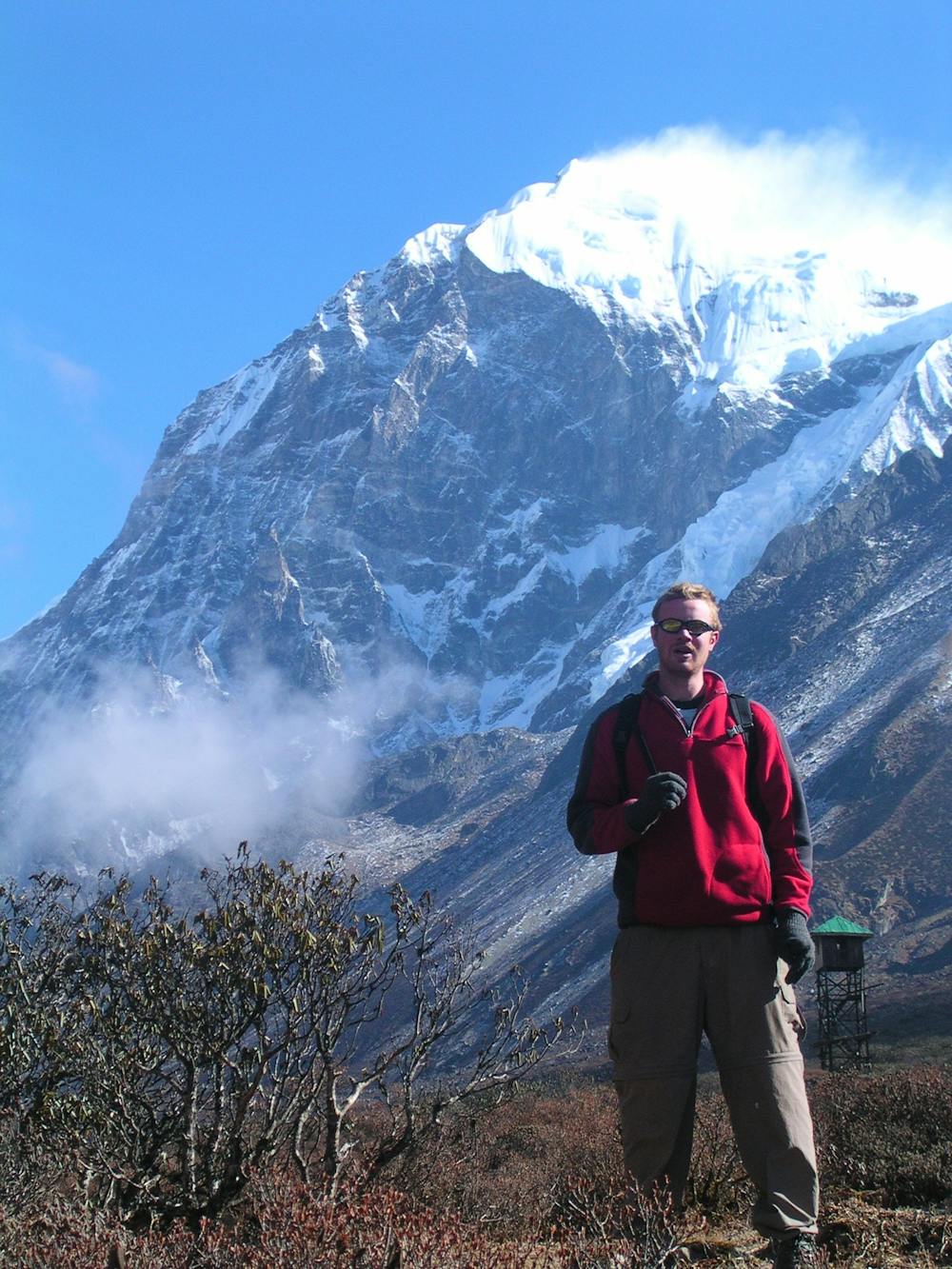
When news of a virus emerged from a wet market in Wuhan in early 2020, all that stopped. As I slipped into the first of many lockdowns, initially I mourned for the travel life I couldn’t live anymore. Once upon a time, my editor would ring on a Friday afternoon to ask if I could fly to Vietnam on Tuesday.
But during my enforced time at home, I realised the travel writing genre I was part of needed some serious re-thinking. The warning signs of a hubristic industry were hard to ignore. In 2019, for instance, the relaxation of regulations for climbers of Mount Everest had resulted in a “conga line in the death zone above 8,000 metres” of people waiting to summit the peak.
The image went viral.
The notion that the genre might have finally reached its nadir after thousands of years of exploration, exploitation and discovery is not a new concept. But the sheer volume of listicles, luxury reviews and Instagram journeys masquerading now as legitimate travel writing is alarming.
Pandemic enforced lockdowns got me thinking about how the experience of immobility wasn’t unique. Wars, pandemics, shipwrecks and even prison walls had prevented others from travelling in the past, yet many still managed to travel internally through their own isolation.
More than two and a half years later, I now believe that despite the angst borne from lockdowns and closed borders around the world, this pause due to COVID-19 has ultimately been a good thing for travel writing – and perhaps the broader travel industry. It has allowed us time to stop and take stock.
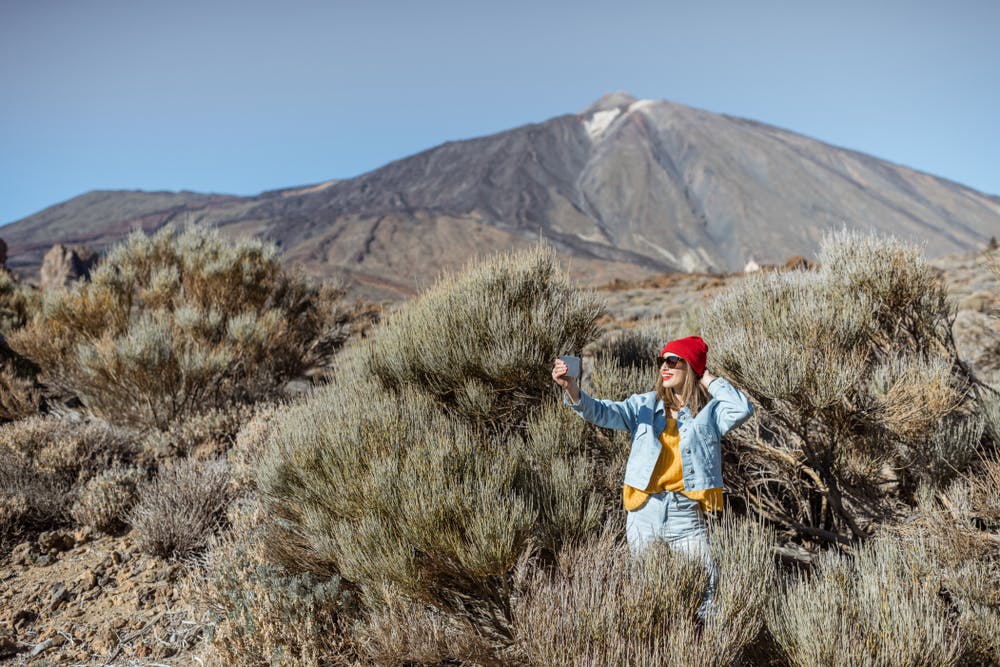 Travel influencers are everywhere.
Shutterstock
Travel influencers are everywhere.
Shutterstock
A history of re-thinking and re-imagining
Travel writing is one of the most ancient and enduring literary forms. Evidence of the travels of Harkuf, an emissary to the pharaohs, is written on tombs in ancient Egypt. Indigenous Dreaming stories “spoken or sung or depicted in visual art” date back thousands of years.
As Nandini Das and Tim Youngs write in The Cambridge History of Travel Writing,
Travel narratives have existed for millennia: so long as people have journeyed, they have told stories about their travels.
In a literary sense, travel writing can be traced to the emergence of commerce and movable print technology in Europe in the 15th and 16th centuries. It went on to flourish in the Romantic Era of travel and exploration, from the late 18th century to mid 1850s.
During this time, western travel writing was embroiled in the colonial project. The journals of Imperialist explorers such as William Dampier and James Cook were enormously popular, along with writers such as Richard Francis Burton and James Bruce who recounted their fantastical journeys to the public back home as they sought to conquer lands for “the mother country”.
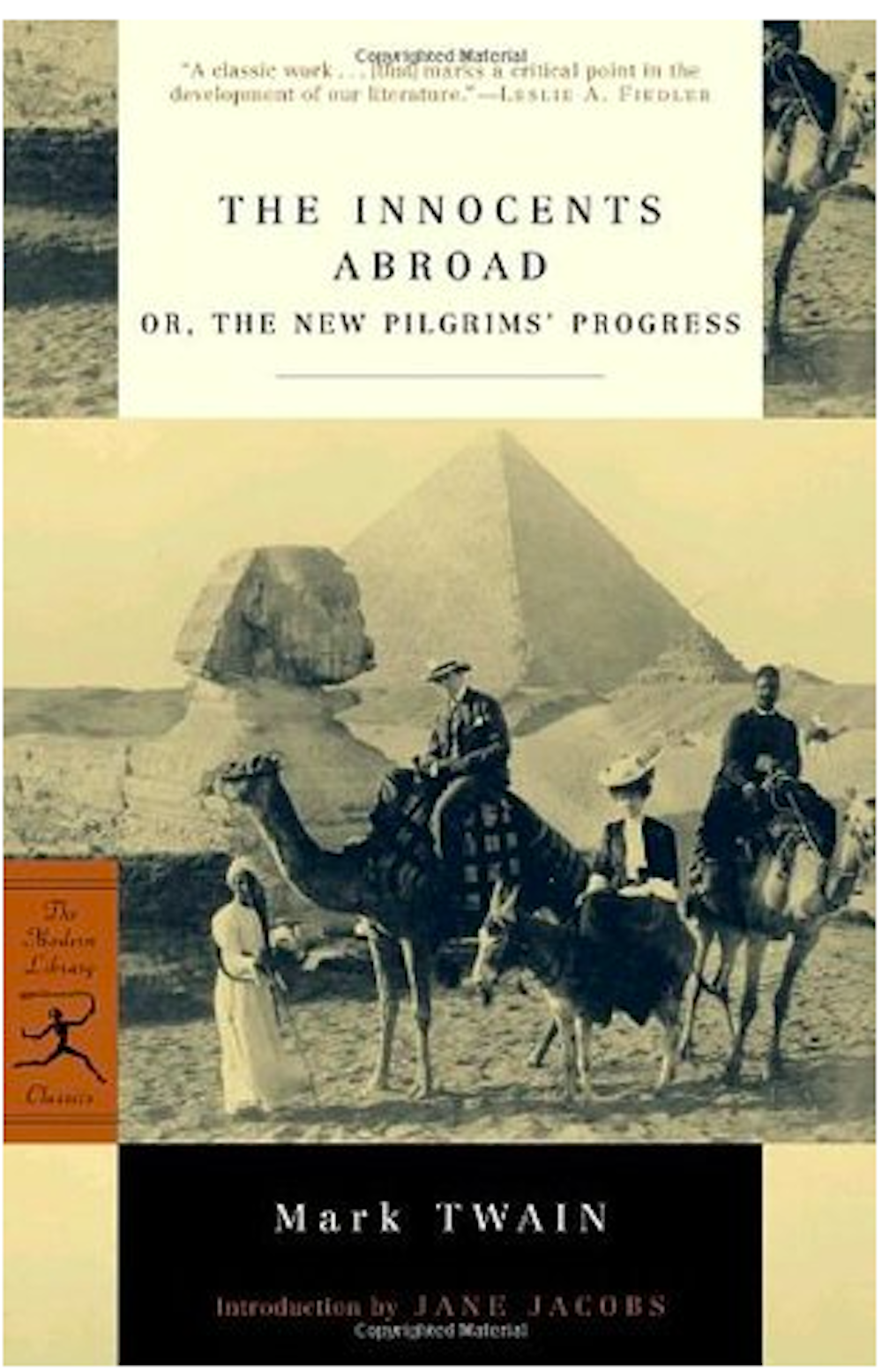
Travel writing continued to shift, changing forms and attracting different readers. The Grand Tour pilgrimage increased in popularity. Mark Twain’s The Innocents Abroad (1869), about his voyage on the “Quaker City” cruise ship, was the century’s best selling travel book.
 “People have been asking the melodramatic question, ‘Is travel writing dead?’ for the best part of a century,” notes contemporary travel writing scholar Dr Tim Hannigan.
During the first world war, British travel literature seemed a requiem for a distant era. The war, observes cultural and literary historian Paul Fussell, “effectively restricted private travel abroad. The main travelers were the hapless soldiery shipped to France and Belgium and Italy and Mesapotamia”.
But the end of the war, in fact, led to a significant re-thinking of the travel writing genre. Borders reopened, new countries and alliances had formed. People emerged from the isolation of war curious to see, hear and experience what this “new world” was like.
This golden era of travel writing in the 1920s and 1930s was chracterised by a new inquisitiveness. Modernist and experimental styles emerged and, as literary scholar Peter Hulme writes,
travel writing could become the basis of a writing career – perhaps because those who had just fought a war felt the need for the kind of direct engagement with social and political issues that travel writing and journalism seemed to offer.
“People have been asking the melodramatic question, ‘Is travel writing dead?’ for the best part of a century,” notes contemporary travel writing scholar Dr Tim Hannigan.
During the first world war, British travel literature seemed a requiem for a distant era. The war, observes cultural and literary historian Paul Fussell, “effectively restricted private travel abroad. The main travelers were the hapless soldiery shipped to France and Belgium and Italy and Mesapotamia”.
But the end of the war, in fact, led to a significant re-thinking of the travel writing genre. Borders reopened, new countries and alliances had formed. People emerged from the isolation of war curious to see, hear and experience what this “new world” was like.
This golden era of travel writing in the 1920s and 1930s was chracterised by a new inquisitiveness. Modernist and experimental styles emerged and, as literary scholar Peter Hulme writes,
travel writing could become the basis of a writing career – perhaps because those who had just fought a war felt the need for the kind of direct engagement with social and political issues that travel writing and journalism seemed to offer.
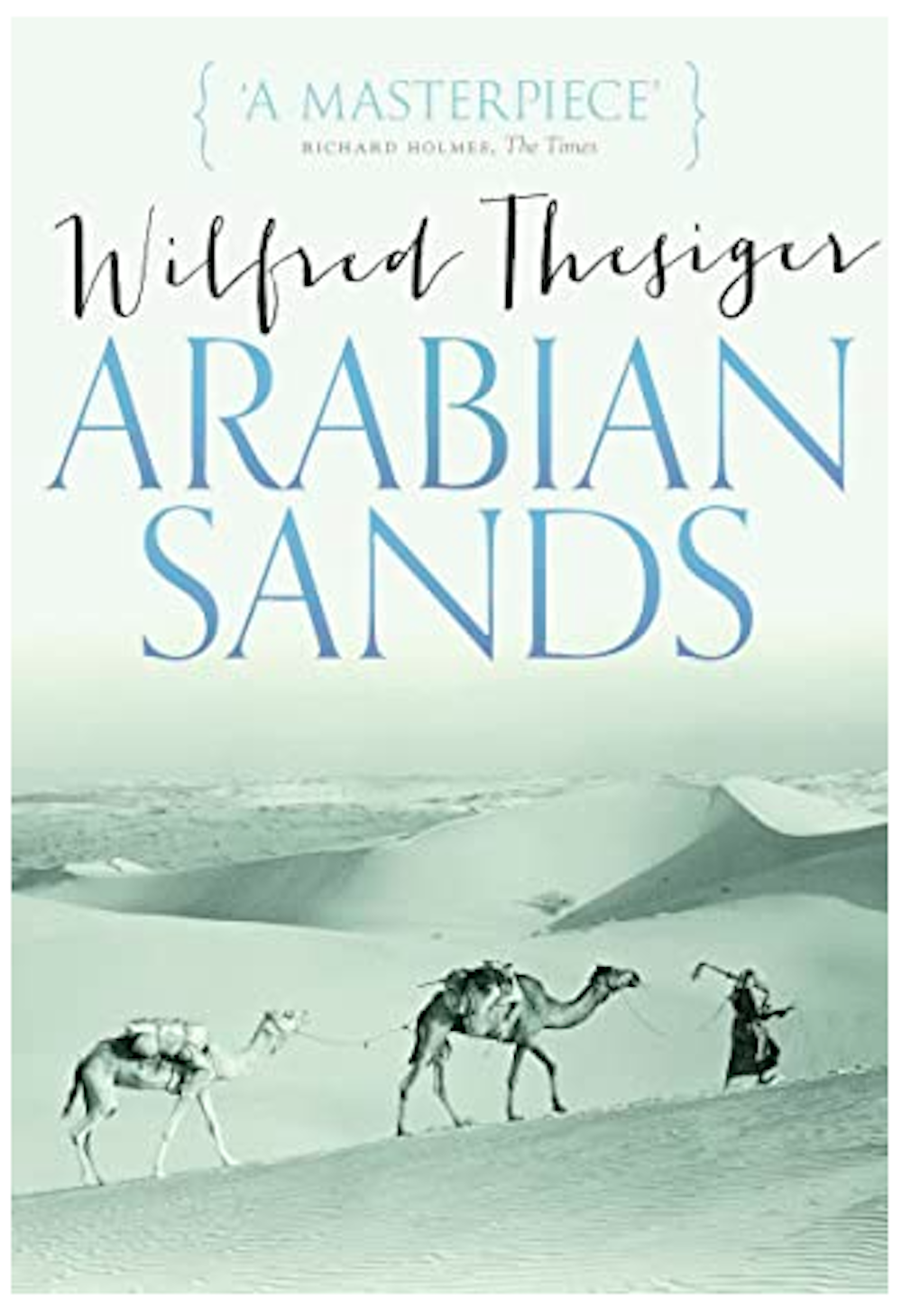 After the second world war, travel writing became more questioning of authority, with a quality of restlessness. Notable works incuded Eric Newby’s A Short Walk in the Hindu Kush (1958), Wilfred Thesiger’s Arabian Sands (1959) and John Steinbeck’s Travels with Charlie in Search of America (1962), about his three-month journey across the US.
In 1960s and 1970s, new books showed how travel writing could evolve again while still displaying the “wonder” central to its appeal: presenting narrated inner journeys, adventure and a richness and complexity that had not been seen before.
After the second world war, travel writing became more questioning of authority, with a quality of restlessness. Notable works incuded Eric Newby’s A Short Walk in the Hindu Kush (1958), Wilfred Thesiger’s Arabian Sands (1959) and John Steinbeck’s Travels with Charlie in Search of America (1962), about his three-month journey across the US.
In 1960s and 1970s, new books showed how travel writing could evolve again while still displaying the “wonder” central to its appeal: presenting narrated inner journeys, adventure and a richness and complexity that had not been seen before.
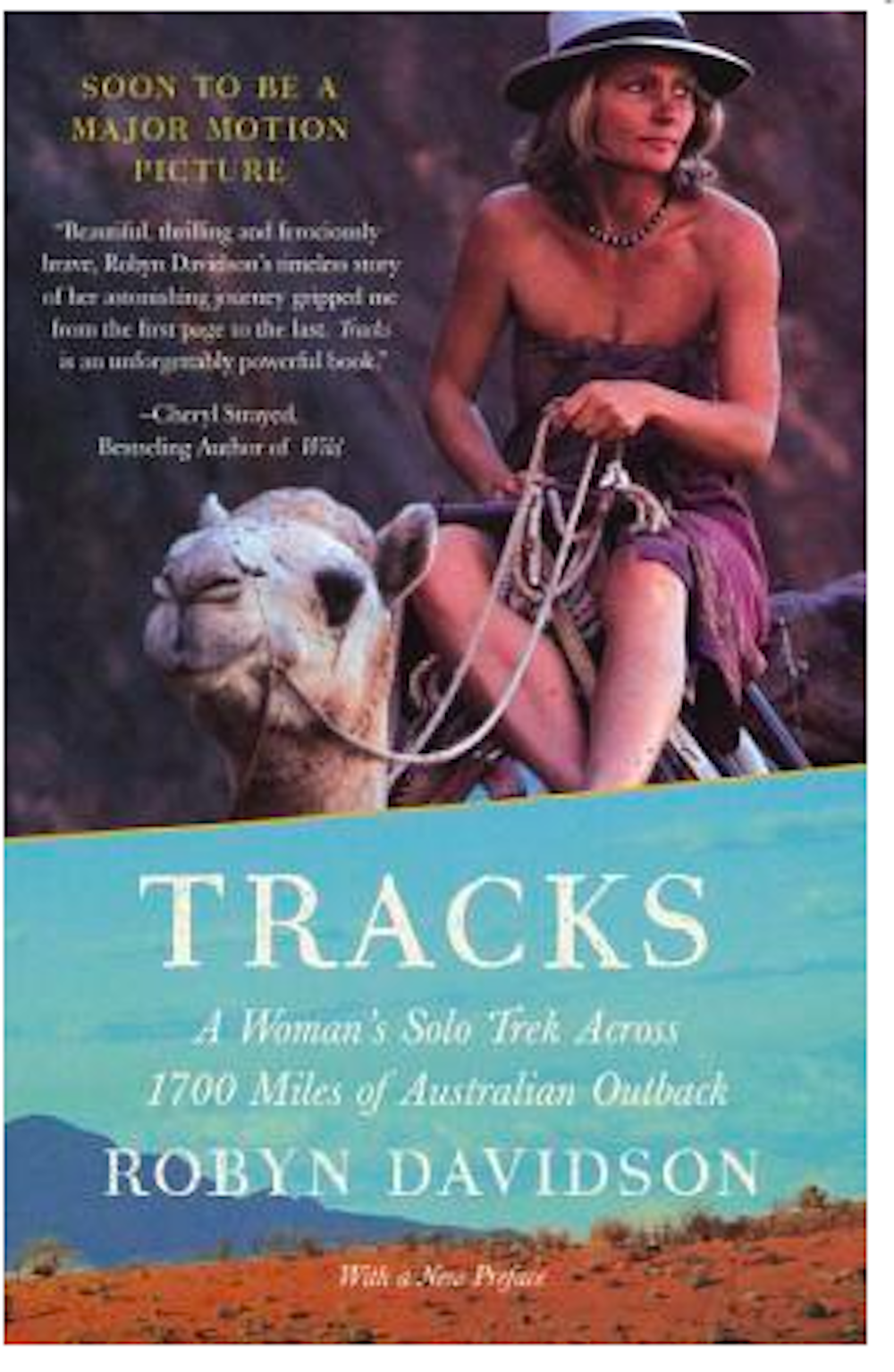 Peter Matthiessen’s The Snow Leopard, Robyn Davidson’s Tracks and even the creative voice embodied in Bruce Chatwin’s controversial In Patagonia, (a postmodern blending of fact and fiction), showed how travel narratives, rather than offering insular and superior perspectives, could be subjective, creative and affecting.
This new era of travel writing post-COVID, I’d argue, has the potential to adapt to a changing world in the same way the genre changed after the first world war.
Environmental concerns, Indigenous presence, awareness of the “other” (and of being the “other”) and an acknowledgement of benefits and pitfalls of technology are all central concerns to travel writing today.
New ways to think about travel writing
The work of South Australian based literary academic Stephen Muecke is an interesting example of a different kind of travel writing. Muecke has had a long career of adopting co-authorship practices, embracing Indigenous and diverse voices within his narratives to highlight that there is always more than one perspective worth considering.
In Muecke’s Gulaga Story he writes about an ascent of Gulaga, or Mount Dromedary in southern NSW. Local Yuin Aboriginal people take him up the mountain to learn aspects of its Dreaming story and the totem of the Yuin.
Muecke’s writing includes interviews with anthropologist Debbie Rose and sections of Captain Cook’s journal, from when Cook travelled along the NSW coast in the 18th Century. The latter offers a contrast between Cook’s initial surface appraisal and the deeper meanings of Indigenous knowledge.
Muecke writes:
Travelling whitefellas tend to think in lines, like the roads they eventually build and drive along, like the chronological histories they tell. Yet there are alternatives: being multiply present, for instance, as if by landing up in someone else’s somewhere, you still remain somewhere else. Maybe other people have been where you come from too; you arrive in their place and they tell you they have seen your city or your country.
Read more:
'What country have you walked?' Why all Australians should walk an Indigenous heritage trail
Peter Matthiessen’s The Snow Leopard, Robyn Davidson’s Tracks and even the creative voice embodied in Bruce Chatwin’s controversial In Patagonia, (a postmodern blending of fact and fiction), showed how travel narratives, rather than offering insular and superior perspectives, could be subjective, creative and affecting.
This new era of travel writing post-COVID, I’d argue, has the potential to adapt to a changing world in the same way the genre changed after the first world war.
Environmental concerns, Indigenous presence, awareness of the “other” (and of being the “other”) and an acknowledgement of benefits and pitfalls of technology are all central concerns to travel writing today.
New ways to think about travel writing
The work of South Australian based literary academic Stephen Muecke is an interesting example of a different kind of travel writing. Muecke has had a long career of adopting co-authorship practices, embracing Indigenous and diverse voices within his narratives to highlight that there is always more than one perspective worth considering.
In Muecke’s Gulaga Story he writes about an ascent of Gulaga, or Mount Dromedary in southern NSW. Local Yuin Aboriginal people take him up the mountain to learn aspects of its Dreaming story and the totem of the Yuin.
Muecke’s writing includes interviews with anthropologist Debbie Rose and sections of Captain Cook’s journal, from when Cook travelled along the NSW coast in the 18th Century. The latter offers a contrast between Cook’s initial surface appraisal and the deeper meanings of Indigenous knowledge.
Muecke writes:
Travelling whitefellas tend to think in lines, like the roads they eventually build and drive along, like the chronological histories they tell. Yet there are alternatives: being multiply present, for instance, as if by landing up in someone else’s somewhere, you still remain somewhere else. Maybe other people have been where you come from too; you arrive in their place and they tell you they have seen your city or your country.
Read more:
'What country have you walked?' Why all Australians should walk an Indigenous heritage trail
 In Reading the Country: Introduction to nomadology, Moroccan artist Krim Benterrak, Muecke and Nyigina man Paddy Roe demonstrate how a co-authored, overlapping narrative from three distinct perspectives allows us to appreciate travelling along the northwest coast of Western Australia. Paddy Roe was from Roebuck plains, an area once inhabited by Indigenous people, though now it is silent except for the vast cattle studs.
The three examine the different meanings of place in Roebuck Plains and how different people see and interpret it. Central to the book is the premise that their method is not the way of interpreting Roebuck plains. Their nomadology is an “archive of fragments”.
Another more reflexive writer of place, English author James Attlee, wrote the book Isolarion while merely travelling along his street in Oxford. His is an example of vertical travel, where the travel writer focuses on the close-at-hand details, rather than far-off experiences.
In Reading the Country: Introduction to nomadology, Moroccan artist Krim Benterrak, Muecke and Nyigina man Paddy Roe demonstrate how a co-authored, overlapping narrative from three distinct perspectives allows us to appreciate travelling along the northwest coast of Western Australia. Paddy Roe was from Roebuck plains, an area once inhabited by Indigenous people, though now it is silent except for the vast cattle studs.
The three examine the different meanings of place in Roebuck Plains and how different people see and interpret it. Central to the book is the premise that their method is not the way of interpreting Roebuck plains. Their nomadology is an “archive of fragments”.
Another more reflexive writer of place, English author James Attlee, wrote the book Isolarion while merely travelling along his street in Oxford. His is an example of vertical travel, where the travel writer focuses on the close-at-hand details, rather than far-off experiences.
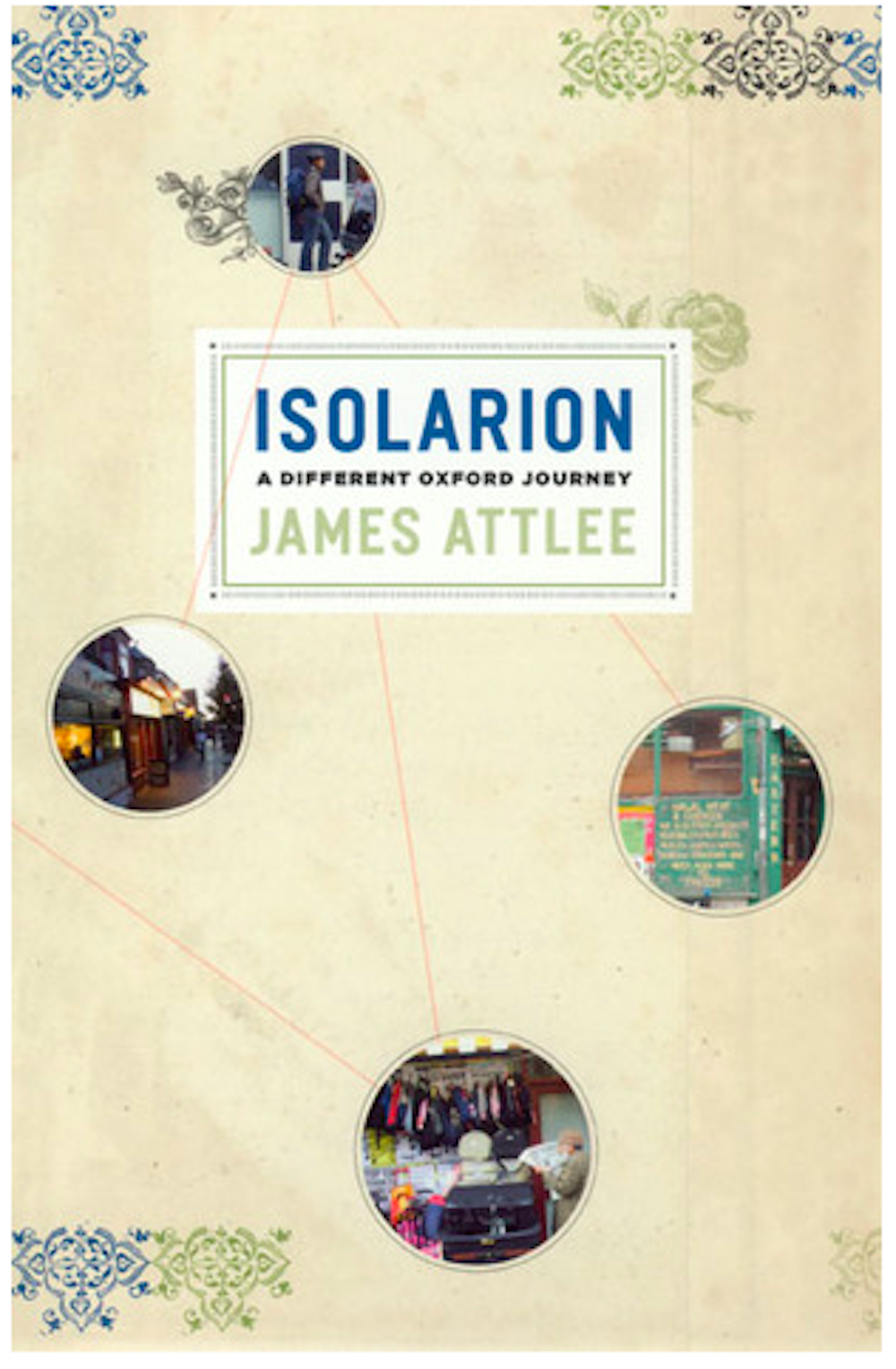 Such books acknowledge the fraught nature of the travel writer who arrives from a western country or culture to write about other people and their sophisticated cultures. Attlee’s book is also a creative response to travel writing’s long carbon footprint.
Will it still be appropriate for future travel writers to fly around the world on junkets (“famils”) racking up carbon miles amid a climate crisis? I think writers and editors should “go local” much more, as Attlee has, not just from an environmental point of view, but also from an authenticity standpoint. Of course, that doesn’t mean writers can only write about their home cities and states, but it would be a logical place to start.
Such books acknowledge the fraught nature of the travel writer who arrives from a western country or culture to write about other people and their sophisticated cultures. Attlee’s book is also a creative response to travel writing’s long carbon footprint.
Will it still be appropriate for future travel writers to fly around the world on junkets (“famils”) racking up carbon miles amid a climate crisis? I think writers and editors should “go local” much more, as Attlee has, not just from an environmental point of view, but also from an authenticity standpoint. Of course, that doesn’t mean writers can only write about their home cities and states, but it would be a logical place to start.
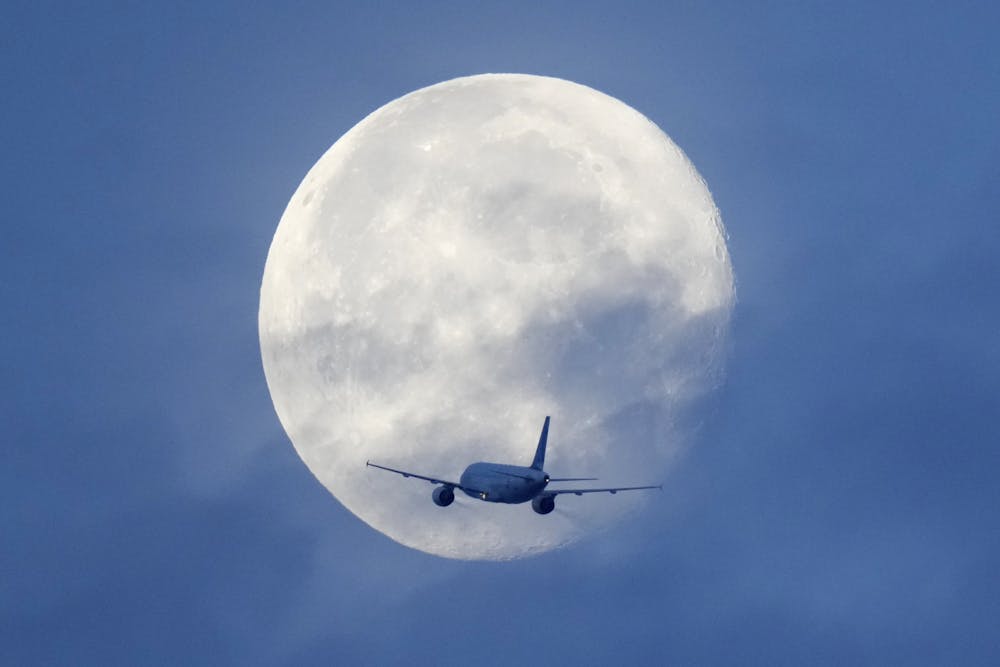 Should travel writers avoid carbon miles too?
Armando Franca/AP
The new travel writing – 5 of the best
Encouragingly, there are already many recent examples of travel writing that can further engage readers in this shift. Here are 5 of the best.
The Granta travel edition: Should we have stayed at home? presents a diversity of modern voices and stories, ranging from Taipei alleyways, the history of postcards and an Indigenous perspective of South Australia.
Zero Altitude: How I learned to fly less and travel more by Helen Coffey explores the world without stepping inside a plane. Coffey uses bikes, boats, trains and cars to seek unexpected adventures while deliberately addressing the impact of how we travel.
Minarets in the Mountains: A Journey into Muslim Europe by Tharik Hussain explores a “different” Europe to that of most travel writing of the past. Hussain travels through Eastern Europe with his wife and daughters encountering the region’s unique Islamic history and culture.
Cal Flyn’s Islands of Abandonment doesn’t look for places or experiences that might fit in a top listicle of summer holiday experiences. Instead, it explores the “ecology and psychology” of forgotten places such as uninhabited Scottish islands and abandoned streets in Detroit to observe the slow movement of nature when unchecked by human intervention.
In Wanderland Jini Reddy, an award winning travel writer who was raised in South Africa, attended university in Canada and is of Indian heritage, decides to “take her soul for a stroll” away from office job in London in search of wonder, meaning and magical travelling on a random journey of inspiration “ricocheting” through Britain.
In much the same way that we’ve adopted little things like keep cups at coffee shops, and an awareness of ethical food and fashion choices, it is much easier today to find travel writing challenging the genre and exploring diverse perspectives. We’ll just have to do this writing alongside the Instagram influencers.
Authors: Ben Stubbs, Senior Lecturer, UniSA Creative, University of South Australia
Should travel writers avoid carbon miles too?
Armando Franca/AP
The new travel writing – 5 of the best
Encouragingly, there are already many recent examples of travel writing that can further engage readers in this shift. Here are 5 of the best.
The Granta travel edition: Should we have stayed at home? presents a diversity of modern voices and stories, ranging from Taipei alleyways, the history of postcards and an Indigenous perspective of South Australia.
Zero Altitude: How I learned to fly less and travel more by Helen Coffey explores the world without stepping inside a plane. Coffey uses bikes, boats, trains and cars to seek unexpected adventures while deliberately addressing the impact of how we travel.
Minarets in the Mountains: A Journey into Muslim Europe by Tharik Hussain explores a “different” Europe to that of most travel writing of the past. Hussain travels through Eastern Europe with his wife and daughters encountering the region’s unique Islamic history and culture.
Cal Flyn’s Islands of Abandonment doesn’t look for places or experiences that might fit in a top listicle of summer holiday experiences. Instead, it explores the “ecology and psychology” of forgotten places such as uninhabited Scottish islands and abandoned streets in Detroit to observe the slow movement of nature when unchecked by human intervention.
In Wanderland Jini Reddy, an award winning travel writer who was raised in South Africa, attended university in Canada and is of Indian heritage, decides to “take her soul for a stroll” away from office job in London in search of wonder, meaning and magical travelling on a random journey of inspiration “ricocheting” through Britain.
In much the same way that we’ve adopted little things like keep cups at coffee shops, and an awareness of ethical food and fashion choices, it is much easier today to find travel writing challenging the genre and exploring diverse perspectives. We’ll just have to do this writing alongside the Instagram influencers.
Authors: Ben Stubbs, Senior Lecturer, UniSA Creative, University of South AustraliaRead more https://theconversation.com/covid-changed-travel-writing-maybe-thats-not-a-bad-thing-183814


















