

a scientist reacts to the State of the Environment report
- Written by: Ayesha Tulloch, ARC Future Fellow, Queensland University of Technology
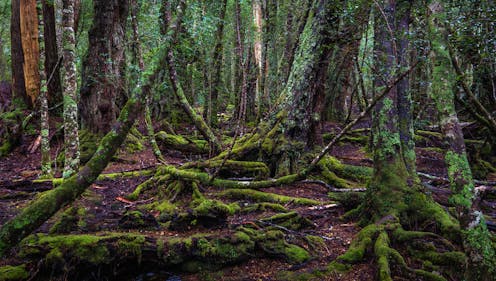
Australia’s State of the Environment Report was finally released today – and its findings are a staggering picture of loss and devastation.
As a conservation scientist, I’ve spent the last decade helping governments, community groups and individuals better manage our environment. But the report reveals things are getting worse.
I’m disappointed, but not surprised. I’ve seen firsthand the devastation wrought by threats such as bushfires and land clearing.
I remain hopeful we can turn the crisis around. But it will take money, government commitment and public support to protect and recover our precious natural places.
Read more: Australia is underfunding biodiversity conservation

New Year’s Day, 2020
Since the last State of the Environment Report report was released in 2016, Australia has experienced record-breaking floods and fires. In fact, my New Year’s Day of 2020 was spent frantically packing precious family items at my mum’s home in rural New South Wales, as smoke from nearby megafires blanketed our property.
We evacuated, nervously watching a fire tracking app, while neighbours’ properties were progressively swallowed by a fire that eventually burned for 74 days, razing half a million hectares.
Thankfully, the fire stopped at a creek down the road. This creek and its adjoining forest is where my family have spent decades hiking, birding and exploring nature.
We’ve watched rare rock warblers dabbling in streams that trickle down sheer sandstone gorges and male lyrebirds singing their hearts out. Multitudes of king parrots, yellow-tail cockatoos and gang-gang cockatoos would visit to gnaw on gum nuts and, to my mum’s eternal anguish, her prize geraniums.
After the fires, I worked with a team to document their devastating impacts on wildlife. Gang gangs lost up to one-fifth of their entire population, and are now endangered.
I can’t imagine visiting the bush without hearing their creaking call, or peering into the branches to spot their telltale flash of red through the leaves.
 Gang gang cockatoos recently joined Australia’s list of threatened species.
Shutterstock
Gang gang cockatoos recently joined Australia’s list of threatened species.
Shutterstock
Australia’s abysmal record
As the State of Environment report explains, the 2019-2020 bushfires razed more than eight million hectares of native vegetation. Up to three billion animals were either killed or displaced.
Last year, I contributed to the first global United Nations assessment of wildfire. We found the worldwide risk of devastating fires could increase by up to 57% by the end of the century, primarily because of climate change.
Most of Australia is likely to burn even more. That’s bad news for places such as Australia’s ancient Gondwana rainforests. Historically, these have rarely, if ever, burned. Yet more than 50% was impacted in the 2019-2020 fires.
These rainforests harbour the highest concentrations of threatened species in subtropical southeast Queensland and northern NSW. To recover, they need hundreds of years without fire.
 Fires in Australia will become more frequent and intense under climate change.
AAP Image/Supplied by DFES Incident Photographer Sean Blocksidge
Fires in Australia will become more frequent and intense under climate change.
AAP Image/Supplied by DFES Incident Photographer Sean Blocksidge
Unfortunately for Australia’s ravaged species and ecosystems, more frequent and intense fires are not the only pressures they face. Australia’s history of managing native vegetation is abysmal.
For example in 2014, almost 40 nations pledged to end natural forest loss and restore 350 million hectares of degraded landscapes and forests by 2030 – but not Australia. Meanwhile, land clearing in NSW and Queensland increased between 2010 and 2018, mostly on farmland.
My research requires driving across large swathes of eastern and central Australia. I’ve watched patches of bush across rural and urban areas thin and, in many places, completely disappear.
One patch I grew to love was home to a very friendly, very noisy family of grey-crowned babblers. It wasn’t a particularly pretty patch of bush, but it was perfectly placed for a night’s rest on the three-day drive to my field sites.
At dawn I would lie in my swag, listening to them chattering away, giving me energy for the day. Now, that patch of bush is gone, and so are the birds.
They may be small, but these patches of bushland are vital for the persistence of already heavily fragmented, degraded ecosystems.
The clearing and thinning of vegetation makes it harder for remaining plants and animals to recover from extreme events such as drought. It also puts native wildlife at greater risk from introduced predators such as cats, and aggressive native birds such as noisy miners.
Most importantly, the cumulative loss of these seemingly insignificant little patches of woodland is a death by a thousand cuts, putting many ecosystems at greater risk of extinction.
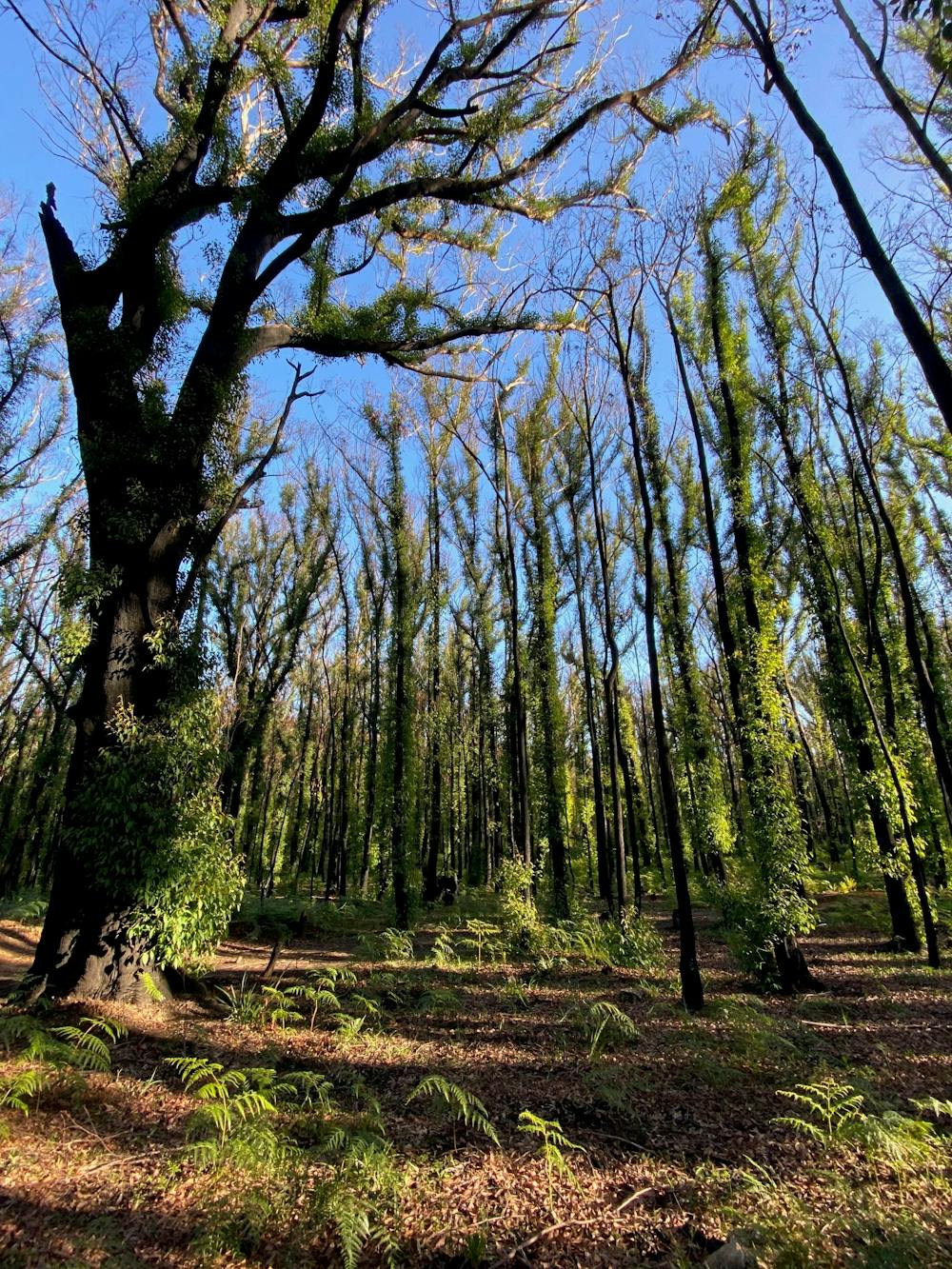 Woodland recovering after the 2019/2020 megafires.
Ayesha Tulloch
Woodland recovering after the 2019/2020 megafires.
Ayesha Tulloch
Extinctions aren’t inevitable
I’m writing this because, despite the dire situation, it’s not too late to do something about it. Here are three ways to start.
First, we need immediate action on climate change. All levels of government must commit to urgently transitioning away from fossil fuels.
Investments and action must be proactive: planning for, preventing and responding to environmental threats. This would help avoid massive costs incurred after a disaster hits.
And crucially, management and conservation actions must respectfully draw from Indigenous knowledge.
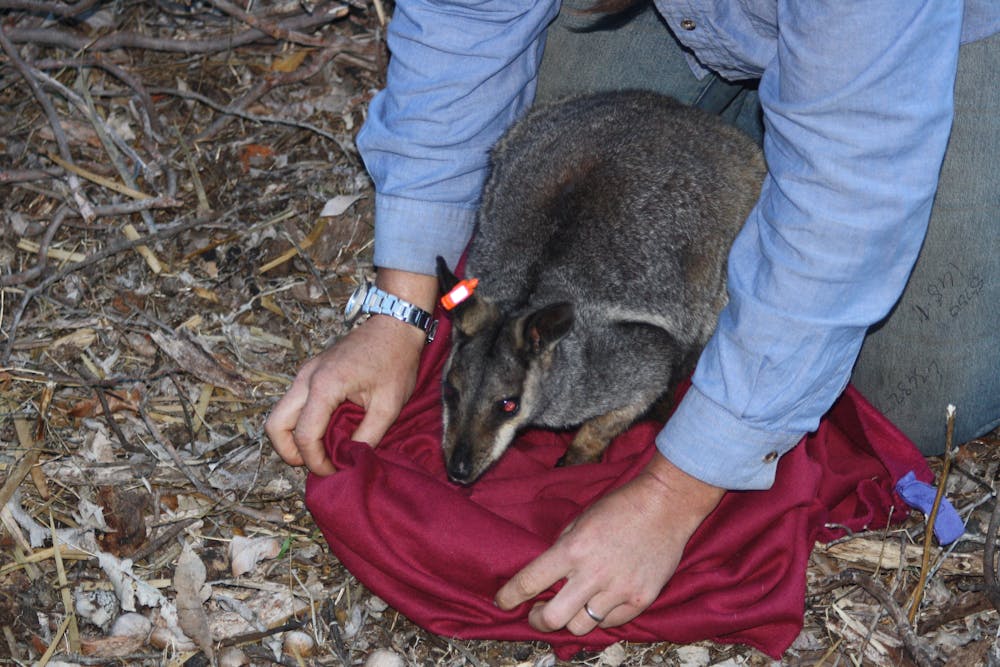 Releasing an endangered Black-flanked Rock-wallaby at an Australian Wildlife Conservancy reserve in Western Australia, where invasive predators are intensively controlled.
Ayesha Tulloch
Releasing an endangered Black-flanked Rock-wallaby at an Australian Wildlife Conservancy reserve in Western Australia, where invasive predators are intensively controlled.
Ayesha Tulloch
Second, vegetation should be restored, not removed, on private land. This requires overhauling vegetation clearing codes and taking action against those who flout the rules.
Finally, the federal government should acknowledge that a substantial increase in funding could, in fact, recover all disappearing species and ecosystems. Extinctions are a choice, not an inevitability.
Australia ranks among the world’s worst when it comes to funding biodiversity conservation. At least six times the current funding is needed to save our threatened species.
Research shows when adequate investment is made in management, threatened populations do recover. The story of the yellow-footed rock wallaby in South Australia shows what’s possible.
Intensive goat and fox control reversed the species’ population decline. It was made possible through long-term state government investment and efforts by non-government conservation organisations and land managers.
Not only did rock-wallaby populations increase, but the pest control meant the western quoll and the common brushtail possum – both historically extinct in the area – could be reintroduced.
But sadly, such success stories are the exception. Today’s report clearly shows that unless we radically change course, we’re heading towards species extinctions, degraded landscapes and a less resilient nation.
All Australians - governments, business, individuals and communities – must commit to restoring our natural environment. Only then will we withstand whatever the future throws at us.
Authors: Ayesha Tulloch, ARC Future Fellow, Queensland University of Technology


















