

talk of buyouts after floods shows need to get serious about climate adaptation
- Written by: Tayanah O'Donnell, Honorary Associate Professor, Australian National University
Australians are reeling from climate change impacts including more frequent and severe disasters – floods, droughts, searing heat and fires. These complex disasters are fuelling calls for managed retreats and debates about buying out at-risk properties.
Buyouts involve governments paying compensation or compulsorily acquiring land to manage a retreat from high-risk areas. Moving people and assets permanently out of harm’s way is considered a final step in a long line of options for climate adaptation.
It had often been thought of as something for future generations to grapple with, but my global review of the research literature shows a surge in studies of this issue in the past five years. Retreat is something we have to grapple with now.
Some parts of New South Wales have been flooded four times in 18 months. Retreat and relocation from properties in high-risk areas must now be central to climate adaptation. My research provides lessons for Australia from around the world in how to manage this difficult task.
History repeats
At the height of the Western Sydney floods in March 2021, I wrote about the complexities of managed retreat. The same area has just had yet more catastrophic floods.
And in Lismore, NSW, which has repeatedly flooded over the years, the record floods of 2022 have brought such questions to a head.
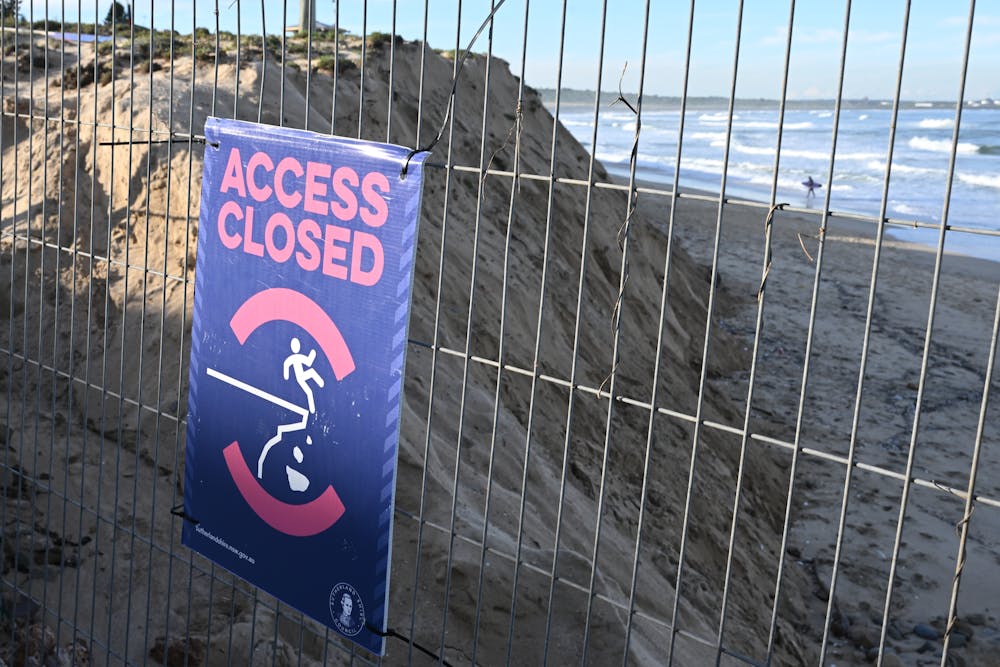
Coastal areas are also at risk from sea-level rise. Here, too, we are hearing calls for retreat and buy-outs of vulnerable properties.
Managed retreat is far from simple. It requires us to assess complex, systemic risks. However, we now face pressing questions about vulnerability, insurability and rising insurance costs, and trade-offs involving value judgments about what to protect, when and at what cost.
My recent review, published by the Royal Society, sought to understand trends and gaps in global research concerned with managed retreat (after a catastrophic event) and planned retreat (before such an event). The aim was to learn how prepared we are for delivering successful retreats from areas at risk. This has lessons for what Australia – and the rest of the world – should be doing.
What did the research find?
I examined published scientific literature in the decade to 2022 containing the keywords “managed retreat” and “planned retreat”.
In the past five years, 135 scientific papers containing these terms were published – a dramatic increase from seven papers in the five years prior. Common themes from these papers included:
the challenges of property rights and compensation
the need for governance and institutional mechanisms to enable an orderly and managed retreat
an increase in negative impacts on vulnerable communities as a result of relocations or retreats that were not orderly or well managed.
In my review, co-ordination across different levels of government emerged as a key barrier to managed retreat. This was no surprise.
Nor was it a shock to find that people’s perceptions of risk are framed in financial terms. Many are reluctant to face falls in the value of at-risk property. This is understandable given the attachments we have to “home” even when the risks are high. As one person told me about people building in dangerous places:
“[…] but this is the history of Australia, people building too close to the water. It’s ridiculous!”
A preoccupation with property values can lead to neglect of other losses associated with managed retreat, such as loss of tourism, infrastructure and other state-owned assets.
Australia is not new to managed retreat. Grantham in Queensland is often held up as a successful example. Even so, people struggled with the enormity of the loss and the complexity of the process of retreat.
Relocated communities overseas, including Oakwood Beach in New York, have gone through similar struggles.
No papers examined retreat from areas of increasing fire risk, though researchers have identified the need. Given recent catastrophic fires around the world, including Australia, the United States and Europe, there’s a significant gap in the research on managed retreat.
All climate change impacts, including heat, fire and drought, may demand some type of retreat at some time and in a wide range of places.
Lessons from around the world
A recent analysis examined three voluntary buyout programs in the United States. It found those programs could be improved by ensuring the policies supporting buyouts – including which aspects of government were responsible for what – minimised barriers to being assessed for compensation.
Programs also needed to be flexible enough to work in a range of circumstances or places.
Read more: 'Climigration': when communities must move because of climate change
A focus on property owners can also lead to neglect of people who are renting or who who do not have a readymade place to relocate to. Australia’s crisis of housing affordability (and availability) crisis means this is a major concern.
Thoughtful and repeated community engagement is essential throughout the process of designing and implementing managed retreat to ensure community acceptance. A study of seven Californian localities identified where managed retreat had been attempted but implementation had failed. Failure was largely due to two reasons:
a failure of communication and inadequate community consultation
“baggage” associated with the term managed retreat, especially in terms of what it means for property ownership.
As noted in other parts of the world, successful managed retreat has several elements:
barriers to implementation must first be identified and understood
those managing the process must learn from historical events – for example, how government and community worked together in Grantham
policy approaches must be consistent across states or countries, to ensure compensation is distributed fairly.
Australia urgently needs a climate adaptation agenda to minimise harm and maximise opportunities as we learn to live with climate change.
As politically perilous as policies of managed retreat may be, climate impacts demand that we start work now on actively and sensibly resolving the risks we face.
Read more: 'Patently ridiculous': state government failures have exacerbated Sydney's flood disaster
Authors: Tayanah O'Donnell, Honorary Associate Professor, Australian National University


















