

Why am I so tired and when is it time to see the doctor about it? A GP explains
- Written by: Natasha Yates, Assistant Professor, General Practice, Bond University

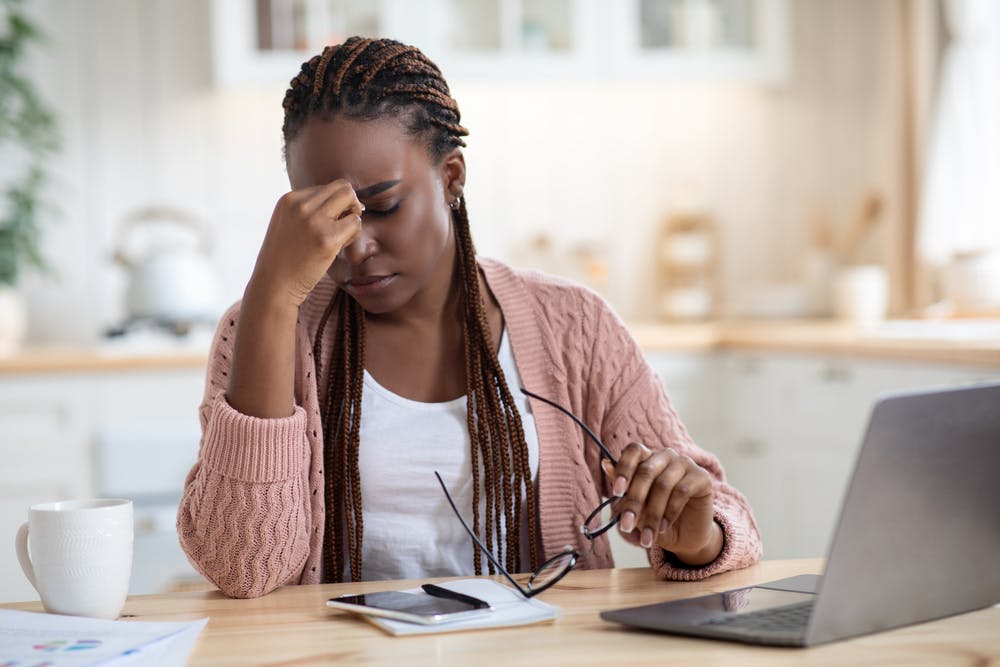
Everyone feels tired sometimes. But how do you know whether your tiredness is a problem worth seeing a doctor about? And with all the mental and emotional strain we have been under from the pandemic, isn’t it just normal to feel tired?
Tiredness is subjective; what’s normal for one person won’t be for the next. Many people see their GPs reporting tiredness (a recent study in Ireland found that it was present in 25% of patients).
As a GP, my first question to someone who feels tired is: “how well can you function?”.
If tiredness is interfering with your everyday life and your ability to do what you like to do, it should be explored further.
Read more: Fatigue after COVID is way more than just feeling tired. 5 tips on what to do about it
Some common causes of persistent tiredness
Poor sleep is an obvious and very common cause of tiredness. Often patients tell me “Oh, lack of sleep is not the cause, I sleep fine, possibly too much!” But on questioning they admit they don’t wake up feeling refreshed.
That’s a bit of a giveaway because it means their sleep quality is poor, even if the quantity seems enough. They could be suffering from sleep apnoea, where breathing stops and starts while a person is asleep. Apnoea can lead to serious long-term health problems, so it’s worth investigating.
Alcohol can also wreak havoc on a person’s sleep quality and they wake feeling unrefreshed.
Another common cause of tiredness is depression – and don’t forget, someone can be depressed without feeling they have low mood. For example, they may feel irritable or frustrated, or struggle to concentrate. This is concerning, because such patients may fly under the radar and not realise this is actually depression. Unexplained tiredness may be the predominant symptom of depression, with other symptoms only coming to light with careful questioning.
Myalgic encephalomyelitis/chronic fatigue syndrome (ME/CFS) is a serious long-term illness that, among other symptoms, causes people to feel extreme fatigue – well beyond the range of “normal” tiredness. It can begin with patients noticing a degree or type of tiredness different from their past experience, and can be difficult to diagnose in the early stages.
There are other potential causes of tiredness – problems such as low iron, thyroid disease, diabetes, kidney disease, heart disease and many more. Treatment for these can alleviate the tiredness too.
Tiredness also accompanies many illnesses, but should not persist after recovery.
The take-home message is this: if tiredness is interfering with your life, there are many possible causes and it’s worth speaking to a GP about it.
 Poor sleep is a very common cause of tiredness.
Shutterstock
Poor sleep is a very common cause of tiredness.
Shutterstock
What does ‘interfering with life’ actually look like?
Screening tools for a concerning level of tiredness include the Epworth Sleepiness Scale and the STOP-BANG score. You can do both tests at home and take the results to your GP.
But even if you have normal scores, your tiredness is worth investigating if you:
feel too tired to exercise (this can be a vicious cycle because regular exercise can actually give you more energy – however, it can be risky for people with ME/CFS to exercise, so caution is required for these patients)
feel too tired to go out, see friends or do activities you once enjoyed
hit the alarm snooze button a lot because you don’t wake feeling refreshed
doze off in front of the TV regularly
spend the whole day wishing you could go back to bed.
If, along with tiredness, you also have any of the following “red flags”, it is vital you see a GP sooner rather than later: unexplained weight loss, shortness of breath, recurrent fevers, bleeding from your bowels or gums, swollen and sore joints, or other new symptoms concerning you.
I sometimes get asked if wanting an afternoon nap is a red flag. That’s a tricky one; a late afternoon energy slump is pretty normal physiologically (we have whole cultures built around the idea of a siesta, and I often wish Australia was more open to the idea!).
And, of course, many of us lead busy lives and are subject to crushing expectations around work, study and parenting. Tiredness may not always be sign of a physical health problem, but rather that the balance between work and rest is not right.
 Do you feel refreshed when you wake up?
Shutterstock
Do you feel refreshed when you wake up?
Shutterstock
OK, I’m starting to realise my tiredness might be a problem. What now?
Talk to your doctor. What happens next depends on the individual and unique factors at play.
Some people need investigating immediately if possible serious underlying causes are suspected.
However, there are often obvious ways to address lifestyle factors, and we’d start there. Is alcohol or caffeine interfering with your sleep? Do you have good sleep hygiene habits? Is your exercise level appropriate and your diet not too high in sugar?
After we’ve tackled lifestyle factors, we can look at whether to investigate for health conditions that might be contributing to the tiredness.
 Do you often fall asleep on the couch watching TV?
Shutterstock
Do you often fall asleep on the couch watching TV?
Shutterstock
What about post-COVID fatigue?
As I have written before, fatigue is about more than feeling just tired:
Tiredness can get better with enough rest, while fatigue persists even if someone is sleeping and resting more than ever.
If you’re especially concerned about fatigue after recovering from COVID and are worried about long COVID, definitely talk to a doctor.
The factors at play are complex and unique to the individual, so a good doctor can help you work out when tiredness has crossed over into true fatigue.
Read more: Still coughing after COVID? Here's why it happens and what to do about it
Authors: Natasha Yates, Assistant Professor, General Practice, Bond University


















