Sepsis is serious during pregnancy, but thankfully it is still rare
- Written by: Hannah Dahlen, Professor of Midwifery, Associate Dean Research and HDR, Midwifery Discipline Leader, Western Sydney University
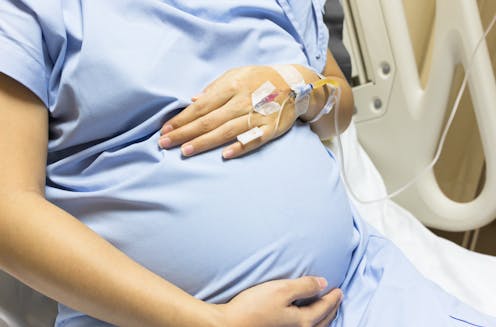
The tragic case of Annie Moylan, who died in Melbourne in 2017 from sepsis, when 18 weeks pregnant, has put a spotlight on this life-threatening condition.
Delay in receiving blood results, admission to a private hospital that did not provide obstetric care, and communication breakdown when Annie transferred to another private hospital all seem to have played a role in what has been described as a “cascade of failures”. A coronial inquest into her death begins on Monday.
Sepsis can also happen after birth, as was seen in the devastating loss of Michaela Perrin who died in 2014, six days having a healthy baby girl via caesarean section.
Women who are currently pregnant may worry about how cases such as these can happen in a country like Australia with an excellent health system.
Sepsis is a serious health condition for anyone, and pregnant women are no exception to this. Thankfully it is still rare for young women to die from the condition.
Read more: Sepsis still kills 1 in 5 people worldwide – two ICU physicians offer a new approach to stopping it
When the body fights itself
Sepsis is syndrome (or group of symptoms) mostly caused by a bacterial infection. It results when the body is trying to fight an infection and begins to damage its own tissues. This can lead to a serious drop in blood pressure, and organ damage.
In Australia, around 12% of people hospitalised with sepsis will die from it. Very young (less than 12 months) and older people (over 85 years) are most vulnerable. The death rate for pregnant women with sepsis worldwide is estimated to be between 1% and 4.6%.
Treatment relies on early identification, antibiotics, intravenous fluids (fluid through a drip) and skilful medical care. For those who survive, there can be lifelong damage, both physically and psychologically.
What causes sepsis during pregnancy, or after birth?
When sepsis happens during pregnancy, it is sometimes called maternal sepsis. After birth it is called postpartum or puerperal sepsis.
The syndrome can result from an infection anywhere in the body (such as pneumonia or a urinary tract infection) or it can be introduced during medical procedures like a caesarean section.
For this reason, all women who have a caesarean section are given intravenous antibiotics in the operating theatre to prevent sepsis.
For around 30% of cases, no source of infection is found.
When identified, the most common causes of sepsis during and after pregnancy are Escherichia coli (E. coli) and group B Streptococcus. As mixed infections are also possible with sepsis, broad-spectrum antibiotics are given as soon as possible.
Sepsis was a major cause of women dying after birth
Puerperal sepsis was once one of the main causes of women dying following childbirth. As knowledge about hygiene practices advanced and then antibiotics were introduced, this declined rapidly. However, sepsis has never been eliminated.
The work of Viennese physician Ignaz Philipp Semmelweis in the mid-1800s led to the discovery that health provider hand-washing could reduce infection rates in women.
Semmelweis observed there was a much lower rate of women dying when cared for by midwives than doctors in two clinics and realised the midwives were not involved in autopsies and hence not carrying bacteria from the autopsy rooms into the maternity ward.
Semmelweis told anyone attending autopsies to scrub their hands with chloride and lime before entering the maternity ward. Soon after this, the rate of maternal deaths in the doctors’ clinics fell.
It took nearly another 30 years for Semmelweis’s ideas to be fully embraced. He suffered a tragic death in an asylum and ironically succumbed to sepsis from a gangrenous wound to his hand.

It has been estimated nearly a half of all maternal deaths in the pre-antibiotic era (before the 1930s) were due to infection.
“Back-alley abortions” were once another major cause of sepsis and death in women before better access to proper medical care for abortions was legislated in many countries.
Today, around one in 12 maternal deaths are from lack of access to safe abortion care and infection remains a big part of this. This is one reason why there is such grave concern over the recent overturning of Roe vs Wade in the United States.
Rates of maternal sepsis today
While sepsis is considered to be a preventable cause of maternal death, it continues to be a major cause of women dying during or after childbirth, even in high resource countries such as Australia.
Sepsis was the second most common cause of maternal death between 2010 and 2019 in Australia (22 deaths).
According to the Centres for Disease Control and Prevention sepsis is the second leading cause of pregnancy related deaths in the US, leading to around 14% of pregnancy-related deaths.
Investigations into sepsis cases during pregnancy and following birth in the United Kingdom found 63% of deaths were associated with substandard care, such as delays in recognising or managing sepsis.
Delays in diagnosing sepsis or misdiagnosis of sepsis in childbearing women is made more complicated due to the physical changes in women’s bodies during pregnancy, labour and the postnatal period. Sepsis can also progress more rapidly in pregnant women.
We should all be alert
If you are unwell during pregnancy or following birth let your health care provider know and persist in seeking care if you are not satisfied.
Most of the time everything will be fine but there are signs of sepsis that can be detected by health providers, such as low blood pressure, temperature or via blood tests.
Health providers have processes for suspected maternal sepsis, guidelines to follow and regular training on this important health emergency.
Health providers need to listen to women and take them seriously when they are unwell, and have the possibility of sepsis in mind.
The brave and persistent actions of Annie Moylan’s parents in seeking answers about their daughter’s death from sepsis will make care safer for other women.
Authors: Hannah Dahlen, Professor of Midwifery, Associate Dean Research and HDR, Midwifery Discipline Leader, Western Sydney University