

To lock out foot-and-mouth disease, Australia must help our neighbour countries bolster their biosecurity
- Written by: Robyn Alders, Honorary Professor, Australian National University
Foot-and-mouth disease now poses a high threat to Australia. This highly contagious livestock virus is sweeping Indonesia – the closest it’s been to Australia since the 1980s. A large outbreak here could cause decimate the livestock industry and cause A$80 billion in economic damage over the coming decade.
The peril coincides with Australia’s first national biosecurity strategy released by the federal government this week. The plan warns Australia faces “multiple risks, on multiple fronts, at the same time” and cites foot-and-mouth disease as among the emerging challenges.
But the foot-and-mouth outbreak in Indonesia should not come as a surprise. It’s been decades in the making – just the latest consequence of biosecurity shortcomings in the region.
A suite of measures are needed to prevent exotic pests and diseases entering Australia. Crucial to this is being a good neighbour: helping other countries in our region to strengthen their biosecurity efforts.
Dwindling agriculture aid
Foot-and-mouth disease is just one of many invasive pests and diseases to have spread internationally, including in Southeast Asia in recent years.
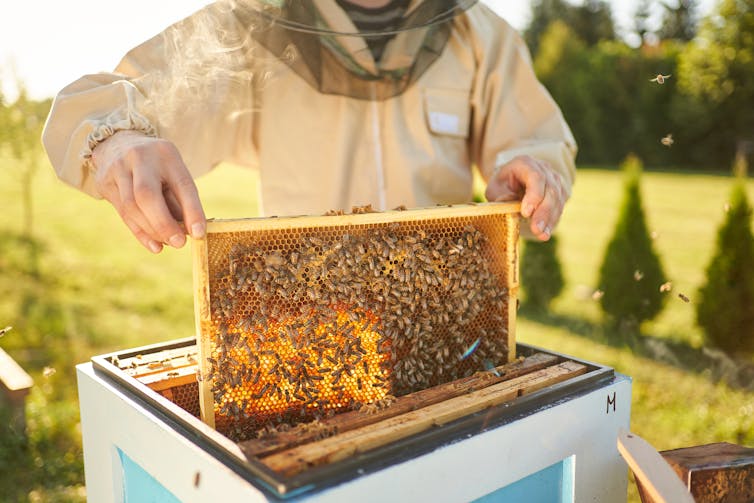
Regrettably, Varroa mite (which attacks honeybees) and fall armyworm (which destroys crops) both entered Australia in the past two years, leading to significant economic, social and environmental harm.
This comes on the top of the economic impact of invasive species, such as the red imported fire ant and feral pigs, which is estimated to cost Australia up to $24.5 billion annually.
Read more: Pest plants and animals cost Australia around $25 billion a year – and it will get worse
Now, foot-and-mouth disease is knocking on our door. So how did Australia become so vulnerable to such an outbreak? Declining government support for international agricultural development must take some of the blame.
Between the 1970s and the early 2000s, Australian aid worked with partner countries to boost animal health in Southeast Asia. This included support for the eradication of foot-and-mouth disease in The Philippines and the control of avian influenza in Indonesia.

Unfortunately, since 2013, such agricultural programs have ended or been greatly reduced in scope in line with decreased spending in the sector. The cuts came as part of broader reductions to Australia’s overseas aid budget – including a cut of more than 40% in aid to Southeast Asia in 2020.
Indeed, in 2021 Australia contributed just 0.22% of its gross national income towards overseas development assistance, compared to the OECD average of 0.33% for that year.
Prevention is good for the bottom line
The cost of supporting effective agricultural biosecurity services in neighbouring countries would be but a small fraction of the cost of a major disease outbreak.
Looking forward, cost-efficient biosecurity programs will require integrated risk identification and management across human, animal, plant and environmental health. Such a joined-up approach is essential to address major and interrelated sociological and environmental biosecurity challenges.
Read more: What is foot and mouth disease? Why farmers fear 'apocalyptic bonfires of burning carcasses'
A priority in the new national biosecurity strategy is to create “stronger partnerships” at the local, regional, national and international levels. One of the initial steps identified is to help shape global biosecurity standards, rules and conditions. It will also:
“deepen international partnerships and capacity building, including in the Indo-Pacific, to increase engagement, harmonisation, skills exchanges and information sharing on national priority pests, weeds and diseases.”
This is a great foundation for further strengthening global agricultural biosecurity systems. But to fully and effectively meet the biosecurity challenges of the 21st Century, it’s crucial to ensure agricultural biosecurity systems fully integrate with humans and our natural environment.
Coordinating the activities of different sectors – such as human health, agriculture and the natural environment – would result in more effective use of limited resources, especially those required to support frontline activities. This will ultimately be far better for the national budget.
Broader focus on livestock health
Effective agriculture aid programs require a broad focus on livestock health, rather than just tackling diseases that might threaten Australia.
For example, many small-scale farmers would prefer to vaccinate cows against diseases such as haemorrhagic septicaemia and anthrax that kill cattle, rather than only vaccinating them against foot-and-mouth disease which causes cows to produce less milk, but won’t usually kill the animal.
Controlling diseases with a high death rate would build trust from small-scale farmers in animal health services. This could, in turn, make rural communities more receptive to vaccinate their animals against other diseases such as foot-and-mouth disease.
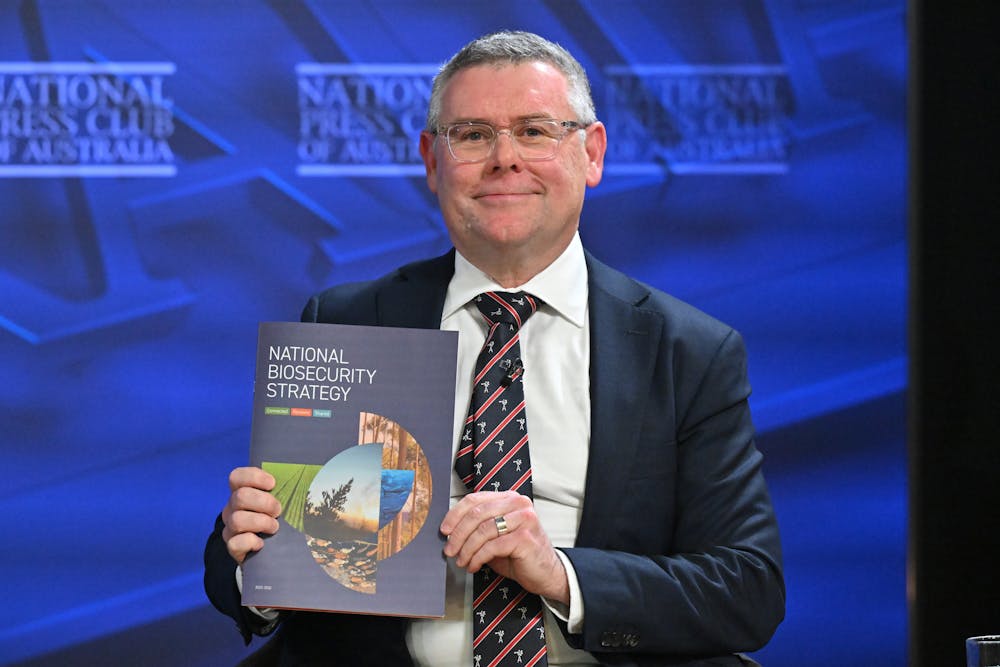 Federal Minister for Agriculture, Fisheries, Forestry and Emergency Management Senator Murray Watt.
AAP Image/Mick Tsikas
Federal Minister for Agriculture, Fisheries, Forestry and Emergency Management Senator Murray Watt.
AAP Image/Mick Tsikas
It takes considerable effort to establish effective and efficient vaccination campaigns and other biosecurity measures. But once they’re in place, maintaining them is less costly. If funding for recurrent maintenance isn’t in place and disease outbreaks occur, this trust will be lost.
This lesson was learnt in Southeast Asian countries such as Indonesia and Laos during the avian influenza pandemic which started in 2003. During that period, poultry producers were forced by government disease control agencies to cull affected flocks without receiving compensation.
The intervention still casts a shadow over relationships between producers and animal health services, complicating efforts to control and monitor disease.
Beyond livestock related biosecurity risks, adequate investment is also needed in the countries of origin to improve biosecurity practices for imported plant products.
This includes cut flowers imported from developing countries where a 2021 investigation detected pests in 12% of consignments.
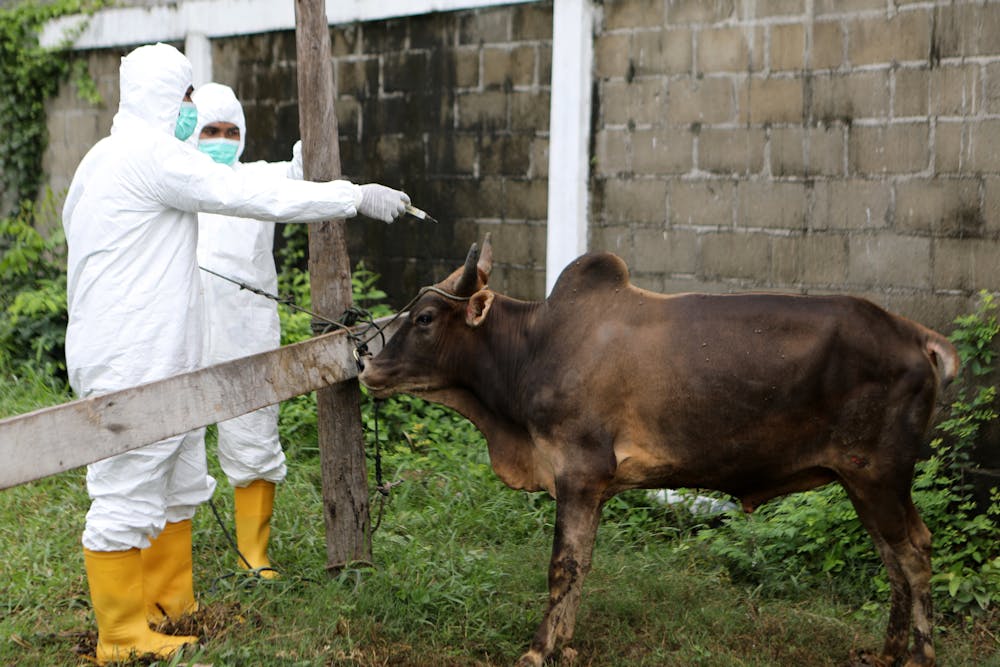 Members of Veterinary Team for Handling Foot and Mouth Diseases during a vaccination drive for cows in Banda Aceh, Indonesia, July 2022.
EPA/HOTLI SIMANJUNTAK
Members of Veterinary Team for Handling Foot and Mouth Diseases during a vaccination drive for cows in Banda Aceh, Indonesia, July 2022.
EPA/HOTLI SIMANJUNTAK
Taking a long-term view
Much work is needed to reduce the risk of further pests and diseases entering into Australia. This includes ongoing support to help our regional neighbours strengthen their biosecurity and associated food security systems.
Of course, this is not the only step. Australia must also ensure effective biosecurity surveillance at the border and actively engage the Australian community to report any incursions that may occur.
And most importantly, Australia’s biosecurity strategies must take a long-term, integrated view. These strategies must consider both benefits and costs and, crucially, have guaranteed bipartisan support at the state and federal levels.
Authors: Robyn Alders, Honorary Professor, Australian National University


















