

To hit 82% renewables in 8 years, we need skilled workers – and labour markets are already overstretched
- Written by Chris Briggs, Research Director, Institute for Sustainable Futures, University of Technology Sydney

In just eight years time, the Labor government wants Australia to be 82% powered by renewable energy. That means a rapid, historic shift, given only 24% of our power was supplied by renewables as of last year.
To make this happen, we must rapidly scale up our renewable energy construction workforce. Last week’s energy ministers’ meeting calls for assessment of the “workforce, supply chain and community needs” for the energy transition. The government’s jobs and skills summit in early September will tackle the issue too. While it’s positive the government is focused on these challenges, the reality is we’re playing catch-up.
Why? Because Australia is already stretched for workers, and it takes time to give new ones the skills they will need. Our research estimates the renewable energy transition will need up to 30,000 workers in coming years to build enough solar farms, wind farms, batteries, transmission lines and pumped hydro storage to transform our energy system. Most of these jobs will be in regional areas.
In coming decades, Australia will invest around A$66 billion in large-scale renewables and $27 billion in rooftop solar and battery storage. This creates openings for industry development like the $7.4 billion market opportunity for an integrated battery supply chain and manufacturing which builds on our strengths, such as wind towers.
If we get this right, we can create new manufacturing and supply chain jobs and reverse the long drift of these jobs overseas. But if we get it wrong, skill shortages could derail the vision of a new energy system by 2030.
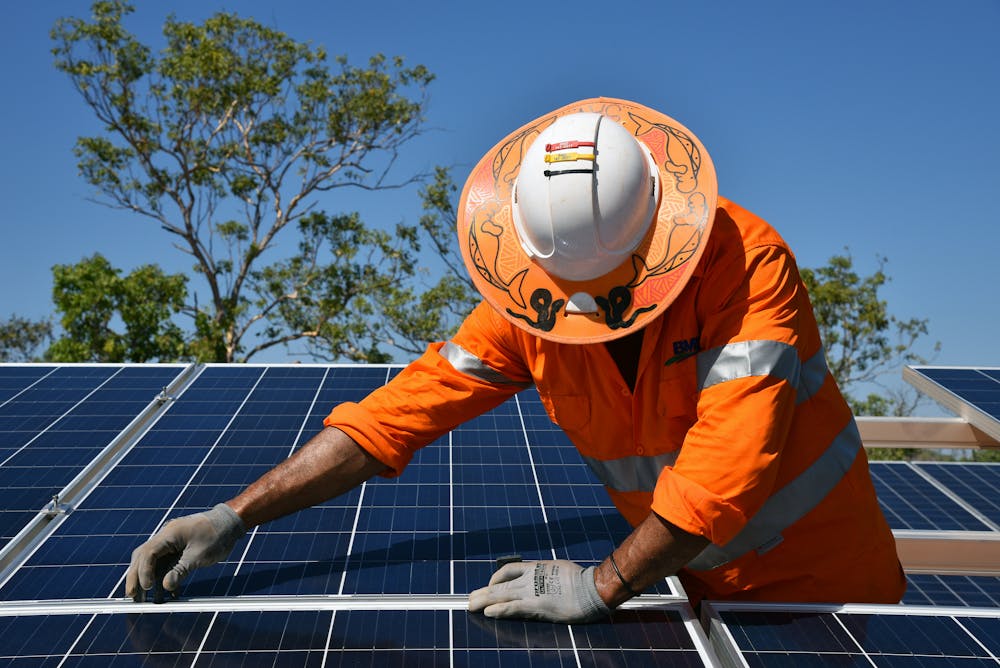
What jobs will we need and where?
Much of the debate on the energy transition to date has focused on technical challenges like integrating renewable energy into the grid.
But as a new report from Construction Skills Queensland points out: “The biggest challenge in delivering the (renewable energy) boom could be the scale of the construction workforce required.”
Across the eastern states in the National Energy Market, the construction workforce needs to scale up rapidly to build wind and solar farms, rooftop solar, battery storage and transmission lines throughout the 2020s. As the volume of renewable energy grows, our modelling finds the share of operations and maintenance jobs will increase, making up around 50% of all jobs by 2035 based on the Australian Energy Market Operator’s roadmap for the energy system.
Notably, our projections include very few jobs in manufacturing. That’s because at present, most renewables manufacturing is done offshore. But as the country which pioneered key solar technologies, we could harness these investments to build local production.
Read more: Historic new deal puts emissions reduction at the heart of Australia's energy sector
Skill shortages could cripple the renewables boom
While it sounds simple in theory, the hard part is making this a reality. How can we best scale up the construction workforce in regional areas? How can we best leverage public and private clean energy investment to increase local manufacturing jobs?
It’s going to be a challenge. That’s because we are already facing widespread skill shortages in key jobs such as engineers, electricians and transmission lineworkers.
Australia is in the midst of an “unprecedented” boom in infrastructure. Think of the huge transport projects like inland rail and metro projects in major cities.
Our regions are already struggling to supply workers for these projects. Infrastructure Australia has projected a shortage of 41,000 engineers and 15,000 trades in the next few years. This is a real worry for the renewables industry. Where will the new workforce come from?
 The fuel is free - but building renewables needs skilled workers.
Shutterstock
The fuel is free - but building renewables needs skilled workers.
Shutterstock
As the labour market tightens, there’s a risk skill shortages will become a constraint on construction timetables. There are industry reports of bidding wars as companies vie to secure skilled workers by offering higher wages. That’s great for the workers with the skills, but it also speaks to the fact the pool of skilled people is too small – even before we launch this major transition.
People in many regional communities are concerned the renewable boom could follow the mining boom with a reliance on fly-in, fly-out workers. This approach overheats local economies and housing and ultimately leaves little benefit, as towns like Karratha have found.
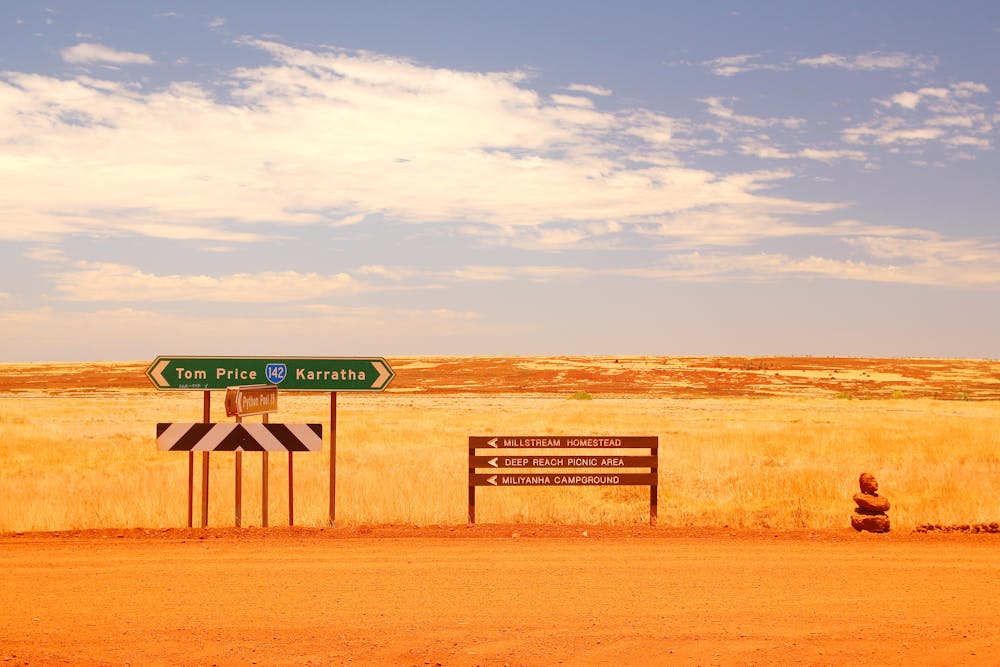 Regional towns like Karratha have found the mining boom a mixed blessing. We need to tackle this to make sure the renewable boom has lasting impact.
Shutterstock
Regional towns like Karratha have found the mining boom a mixed blessing. We need to tackle this to make sure the renewable boom has lasting impact.
Shutterstock
What do we need to do?
Governments will need to roll out regional programs to increase the size of this workforce, by creating direct training pathways to help school leavers get into the renewables sector. This can slow the well known “youth drain” of country kids to the cities.
Specific programs could also help people in remote areas into jobs close to their communities such as in best-practice solar farms and transmission projects.
We’ll also need urgent investment in regional training facilities, courses and apprenticeships.
While the federal government has committed to fund energy apprentices, we will also need more industry-government partnerships like the pioneering Energising Tasmania initiative to train and redeploy new and existing workers backed by government support.
And we will also need skilled migration as part of the solution. That’s because the regions cannot supply the full scale of the workforce required and time is short. But regional communities will want to see programs encouraging workers and businesses to put down roots. If renewables become another FIFO-boom, we risk community backlash.
While the government has many other things to juggle, this is a big one. Without skilled workers, we won’t reach the goal of transforming our energy system by 2030.
Read more: How an Aussie invention could soon cut 5% of the world's greenhouse gas emissions
Authors: Chris Briggs, Research Director, Institute for Sustainable Futures, University of Technology Sydney

















