

What is oral cancer, the condition John Farnham is being treated for?
- Written by: Caroline Baker, Speech Pathology Research and Clinical Practice Lead, Monash Health; Adjunct research fellow, La Trobe University
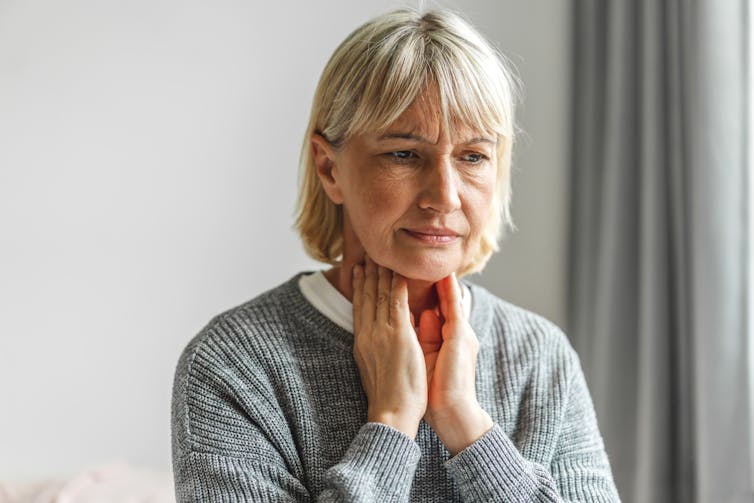
Seventy three-year-old Australian music icon John Farnham is in a stable condition in intensive care after undergoing surgery to remove an oral cancer. Farnham’s family paid tribute to the health-care professionals after more than 11 hours of surgery on Tuesday.
Farnham’s diagnosis comes as a shock to many, there is little public awareness about oral cancer and the broader range of head and neck cancers.
So what is it? Who is more likely to be diagnosed with it? And what does recovery or rehabilitation look like?
Oral cancer is one type of head and neck cancer. While we can’t comment on Farnham’s condition specifically, we’re speech pathologists and researchers with experience working with our teams to support other patients with these cancers and guiding them through their recovery.
What is head and neck cancer? How common is it?
Head and neck cancers most commonly begin in the cells lining the mouth (oral cavity), nose and sinuses, throat (pharynx) or voice box (larynx).
Risk factors for head and neck cancer include smoking, excessive alcohol consumption, and being infected with the human papillomavirus (HPV). But some patients may have no identifiable cause for their cancer.
In Australia, almost 4,000 people are diagnosed with head and neck cancer each year, and this number is increasing.
Globally, the impact of head and neck cancer disproportionately affects those in developing countries due to increased risk factors, delays in diagnosis and limitations on interventions.
Cancers of the head and neck have typically been more common in men over the age of 65. However, an increase in cancers related to infection with HPV, the most common sexually transmitted infection, has seen a change in these demographics to include younger people.
Read more: Health Check: can sex affect your risk of getting cancer?
Unfortunately, these cancers do not always receive the same media and philanthropic attention as other cancers.
What are the symptoms and treatments?
Finding cancer early is important but unfortunately, there are no formal screening tests for head and neck cancer.
Common signs and symptoms can include a neck lump, a lump or sore that does not heal, a red or white patch in the mouth, trouble speaking or using your voice, or difficulty breathing. Always speak to your doctor and dentist about any of these concerns.
Treatment for head and neck cancers can include surgical interventions, radiation therapy and/or chemotherapy. This will depend on the size, location, and progression of the cancer, among other factors.
Treatment may include the insertion of a breathing tube (tracheostomy) or feeding tube (nasogastric or percutaneous endoscopic gastrostomy). For some these are temporary measures while recovering from surgery, for others they can be life-long changes.
Breathing tubes impact and change the person’s ability to speak, cough and swallow. Feeding tubes can support the person’s nutritional needs. Changes to communication and swallowing may mean the person has difficulty with everyday activities such as eating a meal with family and singing their favourite songs.
Survivorship is high, meaning people are living longer with the impacts of their cancer and its treatment. In 2006–2010, the five-year relative survival was 68% for all head and neck cancers combined.
What are the lasting effects?
Living with head and neck cancer may have big impacts on the physical, emotional, and social wellbeing of the person and their family.
At various stages of recovery, people who have had head and neck cancer can experience life-altering consequences, including pain and difficulties speaking, eating, drinking, swallowing and breathing. Their appearance may change after oral or facial reconstruction.
Survivors experience varying degrees of disease severity and feelings of distress. One survivor described her experience of head and neck cancer as “brutal,” saying “we lose our careers […] our relationships fall apart.”
Examining social media posts on #headandneckcancer highlights others are concerned about fatigue, appearance, weight and nutrition.
Families also feel the impact, with many experiencing elevated levels of distress and reduced quality of life.
Reducing stigma
Some of the risk factors for head and neck cancers such as smoking and heavy drinking are seen as “lifestyle risk factors” and may attract stigma. This can have a significant impact on recovery.
Stigma increases distress, depression, anxiety and reduces social participation. These impacts are exacerbated for those who live in the public eye or are professional voice-users such as singers, radio broadcasters or teachers.
Read more: 'It's your fault you got cancer': the blame game that doesn't help anyone
Supporting loved ones after head and neck cancer
People with head and neck cancers require specialist, interdisciplinary health care. Multidisciplinary care teams include medical, nursing, and allied health professionals (speech pathologists, physiotherapists, dietitians, and occupational therapists) who work collaboratively to optimise the person’s health and rehabilitation.
Survivors also need strong social support, as changes in facial appearance and difficulties speaking and eating can lead to feelings of isolation, frustration, and a loss of enjoyment in social situations. Seeking psychological and emotional support is invaluable.
When communicating with a person with head and neck cancer, allow extra time for them to speak, maintain eye contact, minimise background noise and use body language and gesture to convey messages.
Farnham’s family acknowledge a “long road of recovery and healing”. We wish our much-loved Farnsey a pathway through cancer that is enriched with love and support of family, friends, community and music.
Authors: Caroline Baker, Speech Pathology Research and Clinical Practice Lead, Monash Health; Adjunct research fellow, La Trobe University


















