

Can't get your teen off the couch? High-intensity interval training might help
- Written by David Lubans, Professor, University of Newcastle

Many parents will understand the frustration of coming home from work to find their teens slumped on the couch with their eyes glued to their phones or the TV.
This is not unusual, and dozens of studies have shown physical activity levels decline during the teenage years. In Australia, less than 10% of older adolescents are getting enough physical activity.
Adolescence is also a time when there is a spike in mental health problems. It is a key period of human development characterised by rapid psychological and biological changes due to the onset of puberty and associated hormones.
During this time young people are developing a sense of identity and independence as they transition into adulthood and establish health-related behaviours. Introducing your teen to high-intensity interval training (HIIT) is one way to get them moving and feeling better.
Read more: Don't have time to exercise? Here's a regimen everyone can squeeze in
What is high-intensity interval training?
High-intensity interval training is a time-efficient form of exercise that involves relatively short yet intense bouts of activity, combined with rest or low intensity activity.
The intensity of the exercise should be around seven to nine out of ten on a scale of perceived exertion.
What are the benefits?
In our recent study, we found two to three high-intensity interval training sessions per week, each lasting about eight minutes, improved students’ aerobic and muscular fitness over the six-month study period. The exercises included things like shuttle runs (running back and forth between two lines) and push-ups.
After the program, students who participated completed on average, four more laps on the shuttle run test, and had small increases in the number of push-ups completed. They also had reductions in the stress hormone cortisol, which we measured in their hair.
There is also emerging evidence that participating in high-intensity interval training can have short- and longer-term benefits for young people’s mental health and cognitive function.

We also conducted a review of studies on high intensity interval training and found participating in a single HIIT session can improve how young people feel.
There is emerging evidence participation in HIIT can improve children’s cognitive function. In this New Zealand study, children participated in video-based HIIT workouts five times a week over a six week period. Compared to a control group, the research team found significant improvements in cognitive control and working memory among children who participated in the HIIT sessions.
Read more: HIIT workouts: just 15 minutes of intense activity can improve heart health
How to get started and make it enjoyable
1) Start simple: a good starting point is to do 30 seconds of exercise followed by 30 seconds of rest, repeated eight times. We have found this to be effective and enjoyable for teens in a number of studies
2) incorporate variety: we recommend teens complete a variety of aerobic activities (such as shuttle runs, running on the spot, or burpees), and resistance exercises (such as push-ups, squats, or lunges) designed to increase heart rate. And while high-intensity interval training can be done in the living room, changing the exercise setting can also help satisfy your teen’s need for variety. For example, doing a session on the stairs at the beach or park might be more motivating than doing the same session in the backyard
3) modify intensity: as teens improve their fitness, they can increase the duration of the work interval, decrease the rest interval, or increase the total number of intervals completed within a session to ensure they’re getting a good workout
4) make it enjoyable: playing music and exercising with friends and family are strategies that can make high-intensity interval training more enjoyable. Although most people do not feel great in the middle of an intense exercise interval, there is evidence they will feel good about 20 minutes after completing exercise. We’ve found participating in high-intensity interval training increases adolescents’ mood and vitality (energy and alertness). Reminding teens to think about how they’re feeling after participating in a training session helps them experience the psychological benefits
5) use technology: wearable technologies (such as activity trackers and heart rate monitors) can help increase engagement during exercise, as they can provide you with real time heart rate data to see how hard you’re working. While these can be expensive, lower-cost options are available. If you don’t want to design your own sessions, there are thousands of fitness apps and online training videos to choose from.
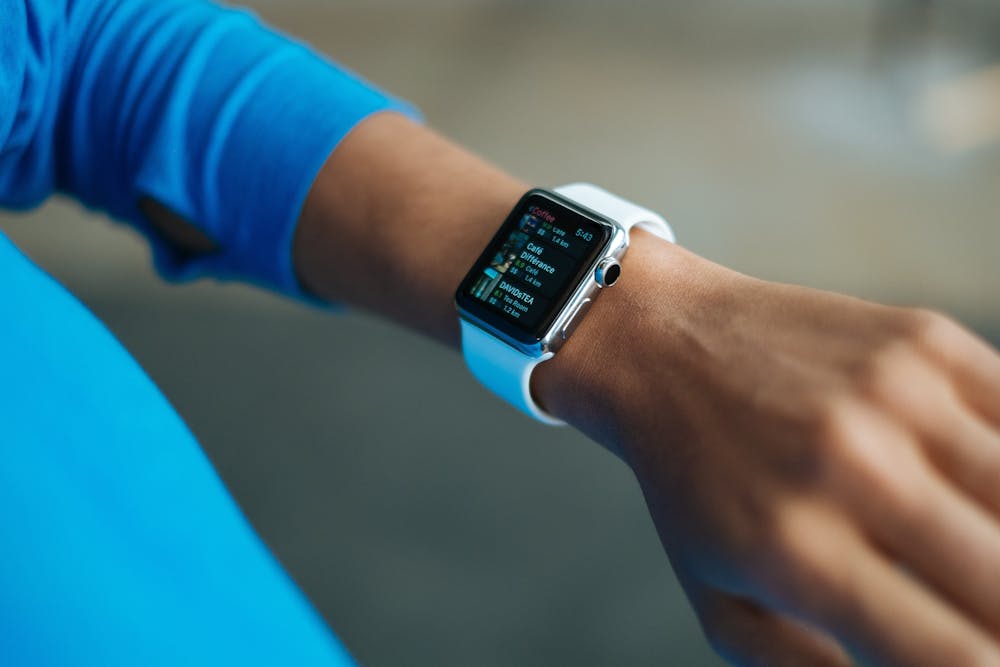 Teens may find gadgets such as fitness trackers improve their motivation.
Pixabay/Pexels, CC BY
Teens may find gadgets such as fitness trackers improve their motivation.
Pixabay/Pexels, CC BY
Participate in a variety of physical activities
High-intensity interval training is a great way to get teens moving and interested in physical activity, but it shouldn’t be the only type of physical activity they undertake. Rather, it should be part of your teen’s physical activity smorgasbord which includes:
active transport (walking and cycling)
team and individual sports, such as swimming, football, netball, basketball
resistance training such as free weights, body weight exercises or exercises using elastic resistance bands to improve muscular fitness
other forms of recreational activity, such as dancing, surfing, skiing, and mountain biking.
If we want our teens to be active now and into the future, we need to provide them with the motivation, confidence and knowledge to engage in a wide variety of physical activities.
Authors: David Lubans, Professor, University of Newcastle

















