

Barbara Ehrenreich never stopped trying to change the world
- Written by Barbara Pocock, Emeritus Professor University of South Australia, University of South Australia
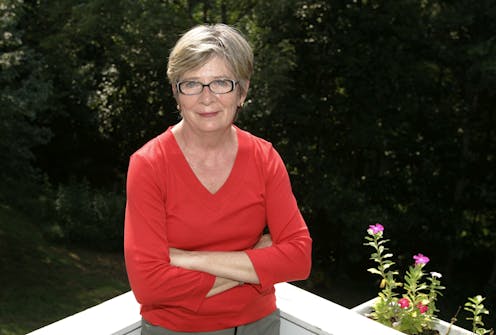
We’ve just lost one of the world’s finest writers about inequality and class – and the business of being alive in the United States today. Barbara Ehrenreich, best known for her “classic of social justice literature”, Nickel and Dimed, died on Thursday, aged 81.
Ehrenreich grew up in a working-class, “strong union” family, with blue-collar roots. (Her father was a copper miner, who later earned a PhD and became an executive; her mother was a homemaker.)
She wrote more than 20 books about the human condition and subjected experience – frequently her own – to forensic examination. She probed the familiar to make it strange, and linked what she found to a politics that aimed to make things better.
Ehrenreich once said “seeing real prejudice for blue-collar, working-class people” from her place within the professional middle class had a strong impact on her.
Read more: No through road: path to prosperity eludes America's jobless poor
Storytelling linked to political change
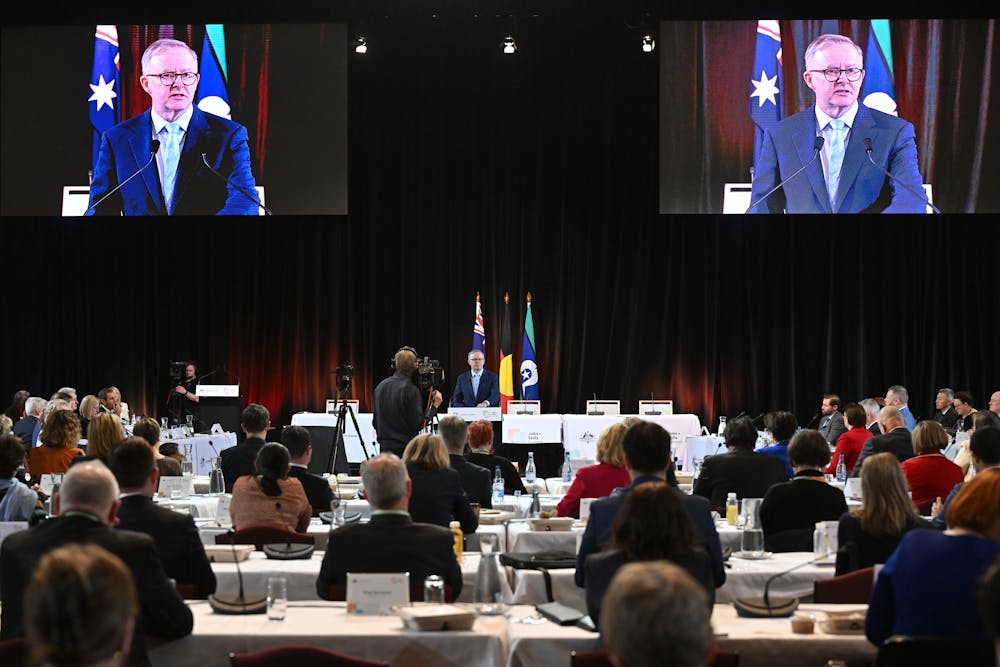
The political effect of timely, powerful storytelling linked to political change is important – as was shown last week, during Australia’s Jobs and Skills Summit.
An array of voices from Australia’s corporate, union and civil leadership dominated the summit. But the room was quietest around midday on day two, when household names were in short supply.
Five very personal contributions on discrimination and community attitudes silenced the large room. Not because the speakers were famous; they were not. And not because they presented killer data or had made a fortune. They had not.
Instead, they each told a portion of their own stories about making their way through thickets of discrimination and marginalisation, describing the challenges they faced, and the people and experiences that changed their course.
Chances are, these are the stories the summit’s participants will remember best. Stories of confronting inequality and finding kindness, opportunity and courage – and their opposites – at moments that changed their lives.
Witnessing class and power
As Ehrenreich’s body of work shows us, witnessing human experience through the lens of class and power is a potent teacher.
The lessons it delivers are more robust than buckets of data, or the best Powerpoint presentation. It can illuminate precisely what is going on in a society – and what might make a difference. It can cut through wilful ignorance, as well as the self-protective, rationalising layers of the helping, professional and political classes (who manage poverty and class divides).
This was a fact well known to Ehrenreich, who studied class and knew the power of story – and especially experience. Across her many books, articles and speeches, she told stories about health care, women’s lives, war, collective joy, poverty and the failures of individualism.
She analysed the world of care, globalisation, social reproduction and work. She shone a steady and powerful light on the detail of life and society.
Early on, she cut her teeth analysing the masculine medical management of birth and women’s health – specifically, her own first birth in a public hospital among low-income Americans. (Where her labour was induced because it was late in the evening and the doctor wanted to go home.) Later, she said it made her a feminist.
Read more: Mental wealth and jobs: without it, we're just pouring water into a leaking bucket
Exposing poverty, inequity, hypocrisy
Erhenreich’s most famous book, a bestseller, was Nickel and Dimed: On (not) Getting by in Low-wage America (2001), which chronicled her own extended experiment working in a range of low-paid jobs as a waitress, housekeeper and retail worker.
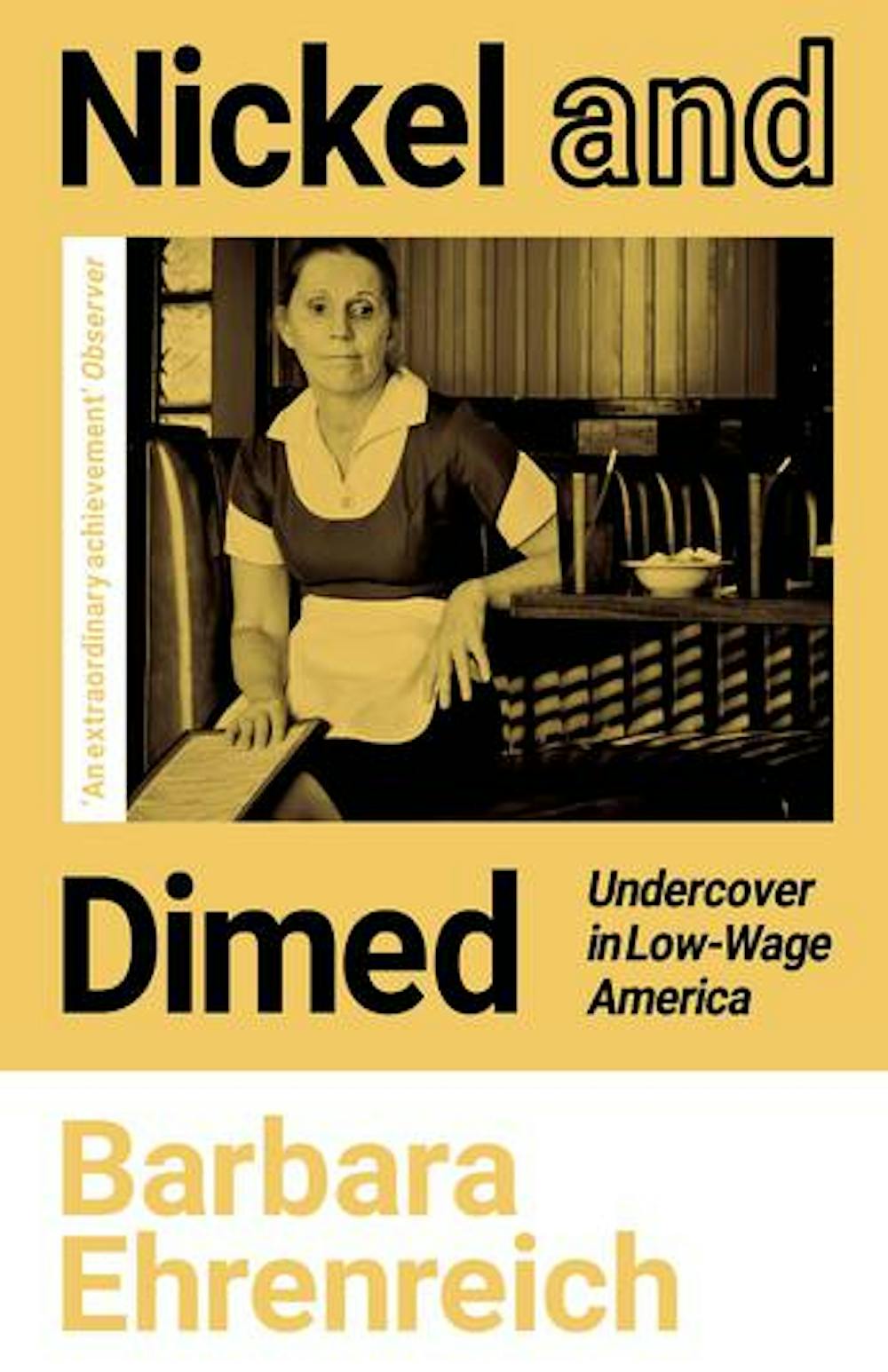 She set out the daily pain and onerous management that living on minimum wage and in working poverty represents: its juggle of rent, food, health and transport – and the extraordinary servility, control and indignity it imposes. And she wrote it in a way that put her own struggles on the page, creating a compulsive read. She was the Lee Childs of sociological literature.
Her account contributed to a push to lift minimum wages in the US. It led to thousands more contributions she made to understanding working poverty and 21st-century working and middle-class life.
It inspired spinoffs by journalists replicating Ehrenreich’s experiment, including the United Kingdom’s Polly Toynbee (Hard Work: Life in Low Pay Britain, 2003) and Australia’s Elizabeth Wynahusen (Dirt Cheap: Life at the Wrong End of the Job Market, 2003).
And – in some part – it led to Helen Masterman-Smith’s and my own account of the lived experience of poverty, Living Low Paid: The Dark Side of Prosperous Australia (2008), which featured low-paid workers sharing their experiences in their own words.
Erhenreich’s writing about the 2009 recession led her to create the Economic Hardship Reporting Project, which collects and publishes own-voices accounts of poverty in the US. It’s a project that’s all too relevant to one of the most unequal societies on our planet.
Ehrenreich has also chronicled the collapse of middle American white- and pink-collar jobs in nursing, teaching and other professions, with their deterioration into boundless demands, long hours and low pay.
She set out the daily pain and onerous management that living on minimum wage and in working poverty represents: its juggle of rent, food, health and transport – and the extraordinary servility, control and indignity it imposes. And she wrote it in a way that put her own struggles on the page, creating a compulsive read. She was the Lee Childs of sociological literature.
Her account contributed to a push to lift minimum wages in the US. It led to thousands more contributions she made to understanding working poverty and 21st-century working and middle-class life.
It inspired spinoffs by journalists replicating Ehrenreich’s experiment, including the United Kingdom’s Polly Toynbee (Hard Work: Life in Low Pay Britain, 2003) and Australia’s Elizabeth Wynahusen (Dirt Cheap: Life at the Wrong End of the Job Market, 2003).
And – in some part – it led to Helen Masterman-Smith’s and my own account of the lived experience of poverty, Living Low Paid: The Dark Side of Prosperous Australia (2008), which featured low-paid workers sharing their experiences in their own words.
Erhenreich’s writing about the 2009 recession led her to create the Economic Hardship Reporting Project, which collects and publishes own-voices accounts of poverty in the US. It’s a project that’s all too relevant to one of the most unequal societies on our planet.
Ehrenreich has also chronicled the collapse of middle American white- and pink-collar jobs in nursing, teaching and other professions, with their deterioration into boundless demands, long hours and low pay.
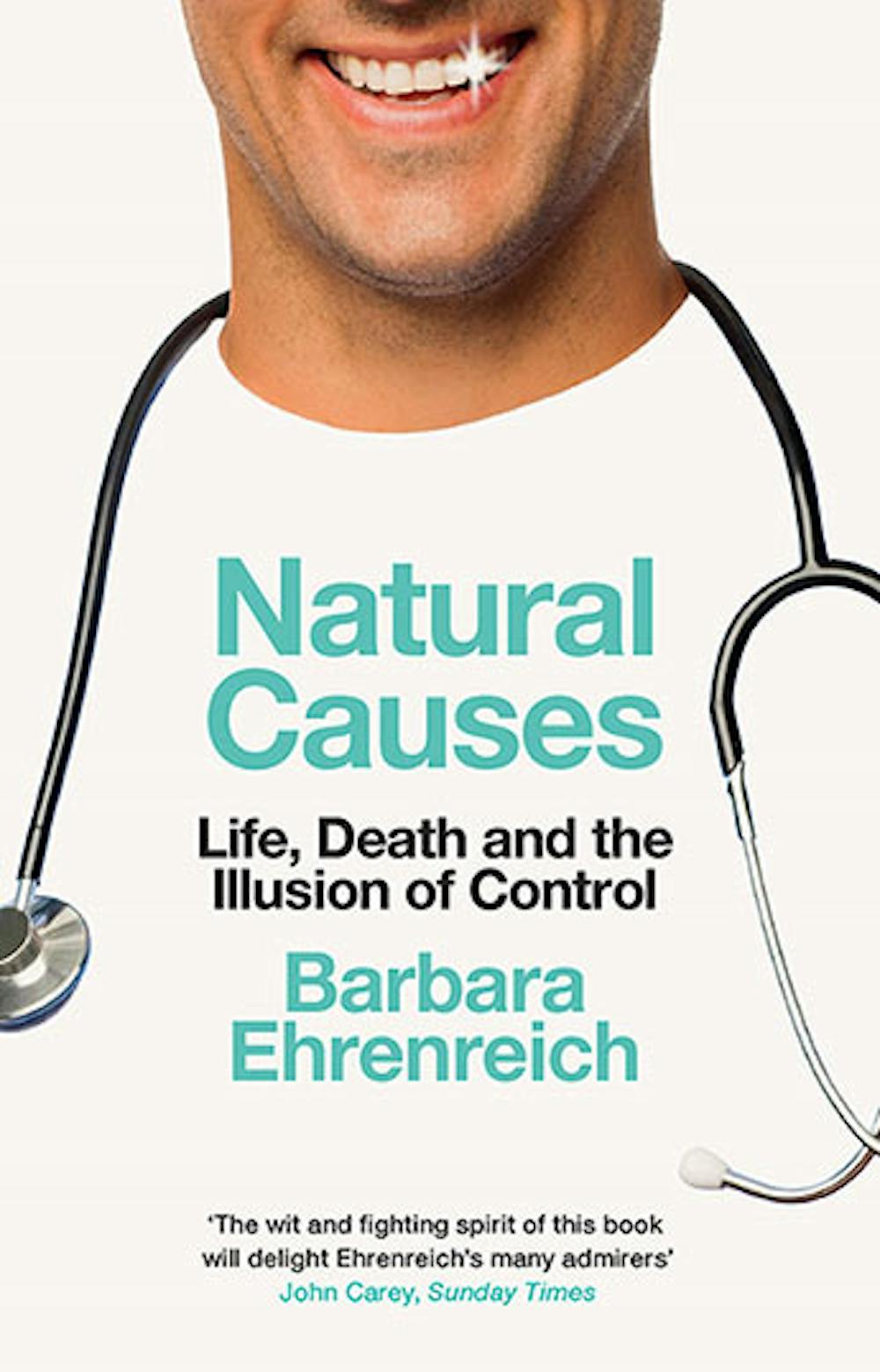 She excoriated the wellness movement in her 2018 book Natural Causes, which picked apart the ways we are encouraged to love our diseases and take personal responsibility for their outcomes, pretending we are master of our bodily universes – while at the same time living in a society where millions confronted the pandemic without a shred of paid sick leave and where the health system is the poster child for punitive, murderous inequality.
In Smile or Die, Ehrenreich expertly challenged America’s passion for positive thinking, which elevates individual will over collective responsibility. She argued it was a reason for the 2008 economic collapse. “Nobody could see that anything bad was coming.”
Barbara Ehrenreich talks about toxic positivity, and her book Smile or Die.She entered the fray
Ehrenreich did not choose easy stories. At the time of her death, she was working on a book about narcissism. And she did not take refuge in the quiet of the printed page; she engaged in the disaster zone that has been US politics for much of her life. Ehrenreich was actively involved with a range of organisations (as founder, adviser or board member), from the National Abortion Rights Action League to the Progressive Media Project. She regularly entered the fray, while making her analytical contributions at the same time.
“Jobs that don’t pay enough to live on do not cure poverty,” she once said. “They condemn you, in fact, to a life of low-wage labor and extreme insecurity.”
Barbara would have been an impatient presence at last week’s Jobs and Skills Summit, on the lookout for the class and gender story beneath the data, for the fault lines of inequality and their causes. She would have been alert to the hypocrisy of talk in place of action, and – most importantly – to the possibility of change, and pathways to it.
Most probably, however, she would have been found at the front of Parliament House, outside it, with the small crowd of illegally assembled unemployed who were refused a permit to assemble, and banished from attending the summit.
She might have listened to their stories – told to a single SBS camera – about what drove them to be on Jobseeker (caring responsibilities, health issues, discrimination at work) and the consequences of being on it (empty fridges, missed medical treatment, transport difficulties).
As she put it in a late interview with the New Yorker:
The idea is not that we will win in our own lifetimes, and that’s the measure of us, but that we will die trying.
May the world continue to see and publish formidable women like Barbara Ehrenreich. Women who put their eloquence, creativity, courage and minds to work – to illuminate, inform and change our world.
Read more:
Donald Trump, Boris Johnson and the dangers of excessive positivity
Authors: Barbara Pocock, Emeritus Professor University of South Australia, University of South Australia
She excoriated the wellness movement in her 2018 book Natural Causes, which picked apart the ways we are encouraged to love our diseases and take personal responsibility for their outcomes, pretending we are master of our bodily universes – while at the same time living in a society where millions confronted the pandemic without a shred of paid sick leave and where the health system is the poster child for punitive, murderous inequality.
In Smile or Die, Ehrenreich expertly challenged America’s passion for positive thinking, which elevates individual will over collective responsibility. She argued it was a reason for the 2008 economic collapse. “Nobody could see that anything bad was coming.”
Barbara Ehrenreich talks about toxic positivity, and her book Smile or Die.She entered the fray
Ehrenreich did not choose easy stories. At the time of her death, she was working on a book about narcissism. And she did not take refuge in the quiet of the printed page; she engaged in the disaster zone that has been US politics for much of her life. Ehrenreich was actively involved with a range of organisations (as founder, adviser or board member), from the National Abortion Rights Action League to the Progressive Media Project. She regularly entered the fray, while making her analytical contributions at the same time.
“Jobs that don’t pay enough to live on do not cure poverty,” she once said. “They condemn you, in fact, to a life of low-wage labor and extreme insecurity.”
Barbara would have been an impatient presence at last week’s Jobs and Skills Summit, on the lookout for the class and gender story beneath the data, for the fault lines of inequality and their causes. She would have been alert to the hypocrisy of talk in place of action, and – most importantly – to the possibility of change, and pathways to it.
Most probably, however, she would have been found at the front of Parliament House, outside it, with the small crowd of illegally assembled unemployed who were refused a permit to assemble, and banished from attending the summit.
She might have listened to their stories – told to a single SBS camera – about what drove them to be on Jobseeker (caring responsibilities, health issues, discrimination at work) and the consequences of being on it (empty fridges, missed medical treatment, transport difficulties).
As she put it in a late interview with the New Yorker:
The idea is not that we will win in our own lifetimes, and that’s the measure of us, but that we will die trying.
May the world continue to see and publish formidable women like Barbara Ehrenreich. Women who put their eloquence, creativity, courage and minds to work – to illuminate, inform and change our world.
Read more:
Donald Trump, Boris Johnson and the dangers of excessive positivity
Authors: Barbara Pocock, Emeritus Professor University of South Australia, University of South AustraliaRead more https://theconversation.com/barbara-ehrenreich-never-stopped-trying-to-change-the-world-189953

















