

Australia and the US are passing major climate bills – without taxing carbon
- Written by Ian A. MacKenzie, Associate Professor in Economics, The University of Queensland
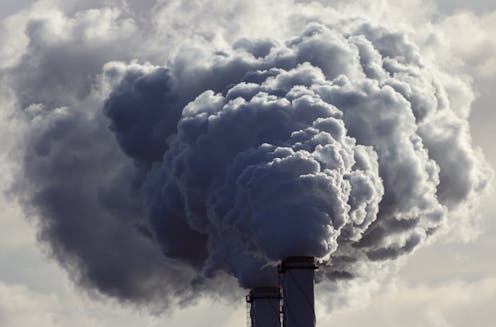
At last, there’s action on climate change. The United States recently passed its largest climate bill ever. And Australia is set to usher a 43% emissions target into law this week, although the Greens will try to amend the bill so the climate impacts of new gas and coal projects are considered.
Good news, right? There’s one issue – these laws, packages and amendments conspicuously avoid the “T” word. Economists have long argued the best option to cut emissions is a tax or, failing that, a type of carbon market known as “cap-and-trade”. But nowhere do the Australian or US bills mention taxing carbon dioxide to discourage dumping it into the atmosphere.
Why? The answer is basically politics. The Gillard Labor government introduced a carbon tax that, although it worked, turned out to be political kryptonite. So Labor’s climate policies now rely not on a tax, but on incentives for clean energy, carbon farming and electric transport.
This is not ideal. For decades, economists have pointed out carbon taxes and pollution allowance markets are the simplest and best way to reduce emissions at the lowest possible cost. But it seems taxes are out and stimulus is in.
A long history of tax avoidance
This isn’t new, of course. For decades, politicians – particularly in Anglophone countries – have avoided carbon taxes or market-based ways of cutting planet-heating pollutants.
Every attempt to price carbon on a national level in the US has failed. The first was in 1990. Presidential candidate turned climate campaigner Al Gore called for a carbon tax in his influential 1992 book, Earth in the Balance. But it was politically unappealing.
Read more: The US has finally passed a huge climate bill. Australia needs to keep up
Why? Concerns over “federal overreach”, increasing cost of power, and, of course, lobbying from fossil fuel industries.
Australia has the sad title of the first country in the world to introduce and remove a price on carbon – a sign of how fraught the idea has been. Labor’s Rudd-Gillard government lost the 2013 election with the “carbon tax” issue front-and-centre in the campaign.
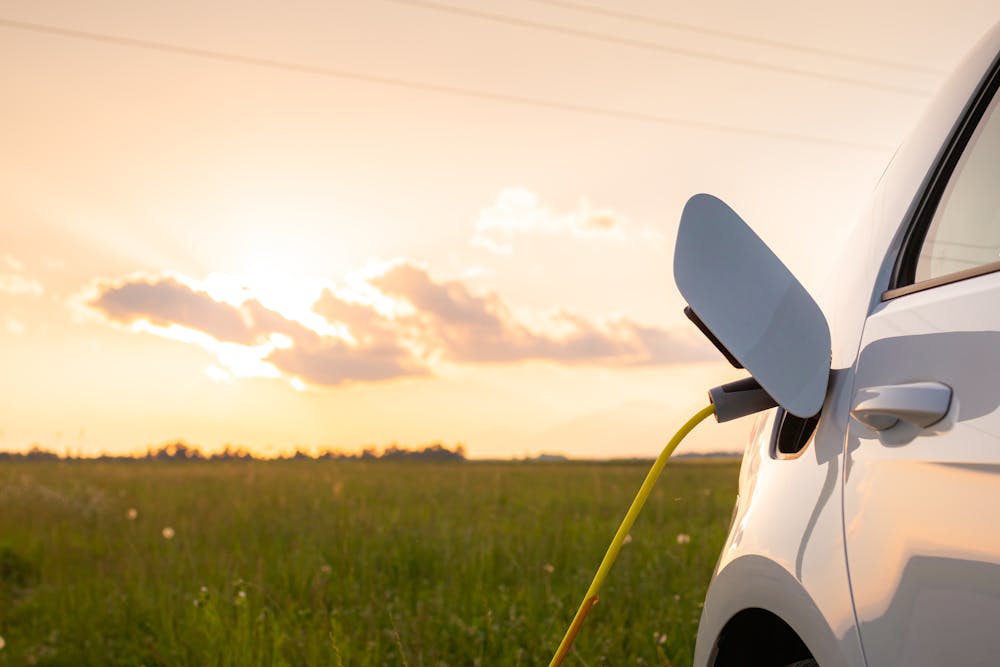 Subsidies for electric vehicles and green energy are set to grow strongly.
Shutterstock
Subsidies for electric vehicles and green energy are set to grow strongly.
Shutterstock
Policy and politics has evolved
Since Australia repealed its carbon tax, we’ve seen significant change in climate policies towards what is politically possible.
In the US, federal inaction on climate change spawned stronger environmental regulation by some states. Coalitions of American states now operate some of the world’s best pollution markets, such as that covering 12 eastern states and California’s own market.
The EU avoided taxes in favour of a cannier approach. They created a pollution market but allowed each state to determine how many allowances domestic firms could obtain. This made the policy more politically appetising and the EU carbon market has since expanded substantially.
The world’s largest emitter, China, last year followed suit and launched the world’s largest carbon trading scheme.
But Australia didn’t follow the emissions trading model pursued by the EU and many US states. Instead, the Abbott Coalition government brought in an emissions reduction fund to subsidise pollution reduction.
Companies can use pollution reduction to gain carbon credits, which can be sold to government or on the private market. The policy has proven thoroughly underwhelming.
What trends are we seeing?
So tax and markets seem to be off the table when it comes to climate bills.
Last month, the US passed a sweeping A$530 billion bill aimed at boosting health care funding and tackling climate change.
It’s aimed at speeding up the shift to clean energy and electric transport, through rebates and tax credits for electric cars, efficient appliances and rooftop solar. Conspicuously absent was any mention of a carbon tax or pollution allowance market.
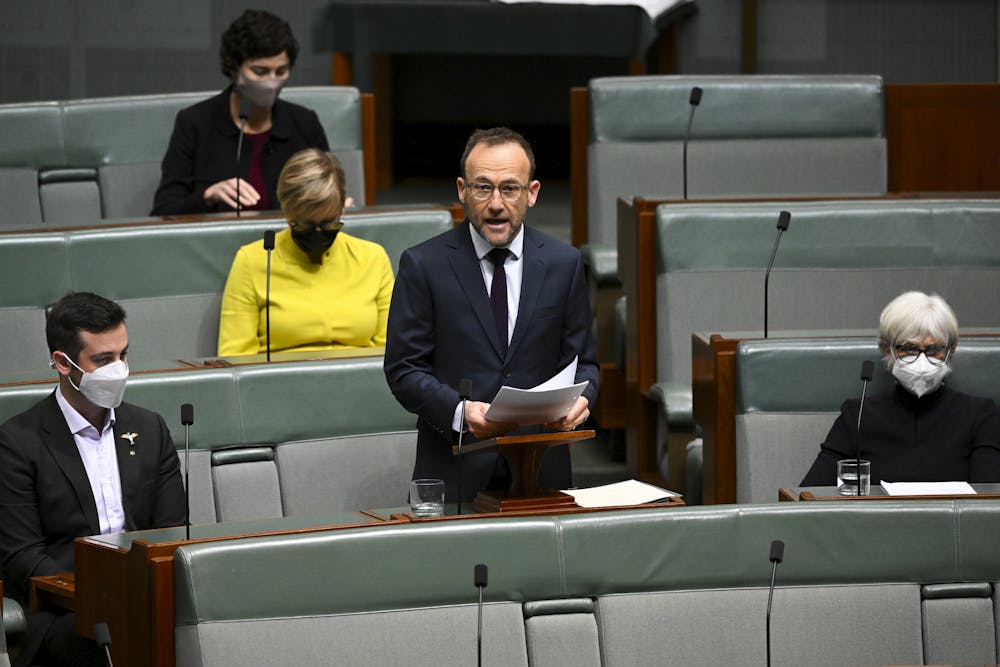
Australia’s climate bill requires us to reduce emissions by 43% by 2030 – but there’s very little information on the crucial question of how.
Labor’s bill envisages a type of market, regulating large polluters by allowing them to trade credits created by emissions reduction.
But both Australia and the US have shied away from the principle of “polluter pays”.
This is disappointing. Yes, subsiding pollution reduction can create incentives for behaviour change. But subsidies are often wasteful and inefficient. Taxes and markets are better options. We now know countries with a price on carbon have emissions growth rates around 2% lower than those without. Longer term, this is often enough to see overall emissions begin to fall.
While the direct costs of subsidies are not immediately seen by citizens and companies, these subsidies have to be paid for through increases in general taxation. Carbon taxes, by contrast, are more explicit. A polluter will clearly notice having to pay the tax and be motivated to avoid it.
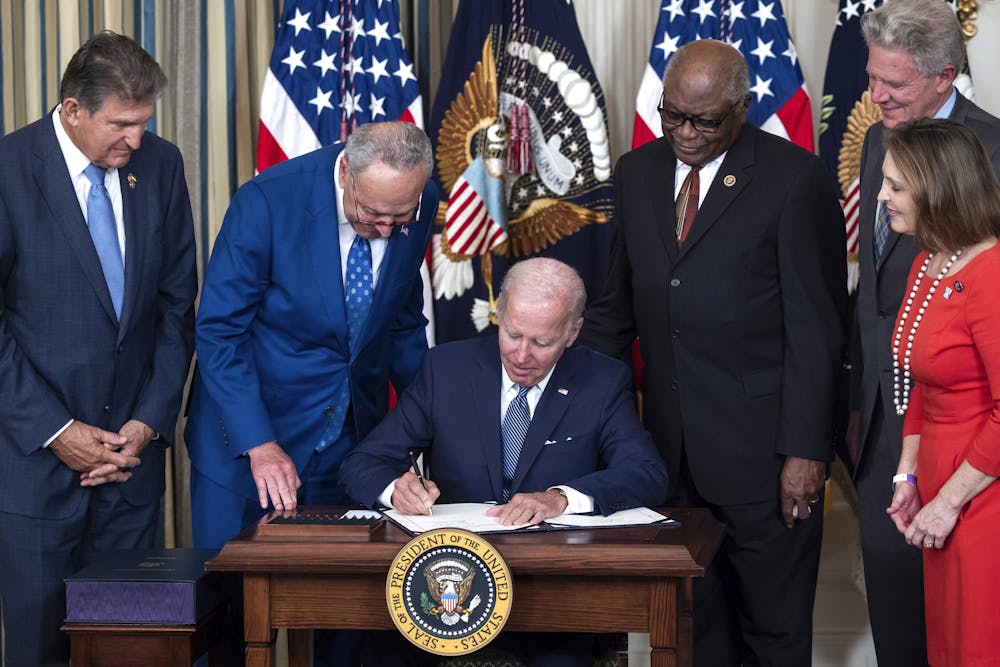 US President Joe Biden signing the climate bill, titled the Inflation Reduction Act, on August 16.
Jim Lo Scalzo/EPA
US President Joe Biden signing the climate bill, titled the Inflation Reduction Act, on August 16.
Jim Lo Scalzo/EPA
We’ll still need taxes and market approaches, even with the subsidies
Instead of splashing out on subsidies, governments could still introduce a carbon tax to raise much-needed revenue while offering assistance to low-income households, cutting taxes elsewhere, or even reduce the deficit.
In Australia, there’s surprising support for a return of the carbon tax. But Labor may well be wary, given how their last carbon tax was easily defeated with a political scare campaign. One alternative could be to follow the EU and China and begin auctioning off pollution permits.
We could also borrow from America’s approach. Deep in the bill is a fee on methane emissions. This, some environmentalists believe, could be the crucial first step towards wider pricing of pollution.
Even though subsidies and rebates are politically popular, by themselves they cannot end greenhouse gas emissions. While carrots are popular, we will still need a stick – taxes or markets – to actually encourage polluters to cut emissions.
Read more: Carbon pricing works: the largest-ever study puts it beyond doubt
Authors: Ian A. MacKenzie, Associate Professor in Economics, The University of Queensland

















