

From microbes to forest bathing, here are 4 ways healing nature is vital to our recovery from COVID-19
- Written by: Jake M Robinson, Ecologist and Researcher, Flinders University
It’s been more than two years since the World Health Organization declared the COVID-19 pandemic. Each of us vividly recalls the first confirmed cases being reported in our home towns. COVID-19 spread across the planet at lightning speed, and the confirmed death toll is approaching 6.5 million. Communities and economies around the world have been devastated, and many societies need a recovery plan.
A growing number of scientists, including us in an article published today in The Lancet Planetary Health, argue protecting and restoring nature can help societies recover from the COVID-19 pandemic and even help prevent future pandemics. Thriving ecosystems are vital for humans and the rest of nature.
The ongoing destruction of nature is a recipe for disaster. Research points to direct links between the destruction of nature and infectious disease outbreaks such as COVID-19.
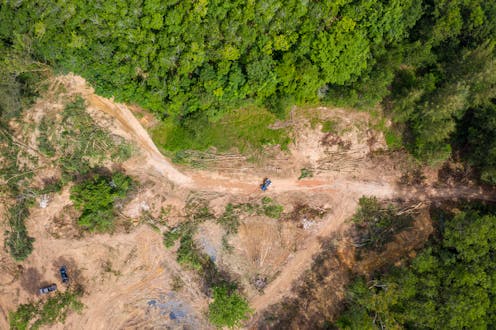
For instance, the removal of rainforests for agriculture and new towns increases our contact with wildlife that host novel viruses – the kind that “jump the species barrier”. Some cause major disease outbreaks like COVID-19.
In our Lancet Planetary Health paper, we use COVID-19 as a case study to demonstrate how restoring ecosystems can help to combat the health and social problems associated with pandemics.
Read more: 'Stealth privatisation' in iconic national parks threatens public access to nature's health boost
We are running out of time to restore ecosystems
Ecosystem restoration is the repair of natural systems – such as forests, grasslands and coral reefs – that have been damaged or destroyed. Unfortunately, human activities such as urbanisation, deforestation and pollution could leave 95% of the planet’s land severely damaged by 2050.
The UN has declared 2021 to 2030 the Decade on Ecosystem Restoration. The declaration reflects the growing urgency and scale of ecosystem restoration that we must undertake.
There are several ways in which protecting and restoring nature are vital to humanity’s recovery from COVID-19.
1. Enhancing the immune system
The environment is brimful of microscopic life forms: dense clouds of bacteria, tiny fungi, algae and other life forms live in the soil, plants, water and air. Growing evidence suggests exposure to a diverse range of these invisible critters from an early age is vital to our health.
This exposure “primes” our immune systems and allows them to build strong armies of cells that protect us from pathogens. Indeed, having a healthy immune system is important in combating diseases such as COVID-19.
However, the diversity of these beneficial microbes is often much lower in degraded ecosystems than in more natural and diverse areas, such as forests with many different species of plants and animals. Therefore, restoring degraded ecosystems is important for both wildlife and our immune systems.
Furthermore, research suggests exposure to chemicals emitted by some plants – called phytoncides – can boost our immune system and help us fight off viral infections.
Read more: How the trees in your local park help protect you from disease
2. Letting nature be thy medicine
Spending time in natural environments is widely recognised as important for our health and wellbeing. After all, we are part of nature!
Evidence shows engaging with natural spaces such as forests, meadows and lakes can improve our mental health, reduce blood pressure and enhance our recovery from stress. In Japan, forest bathing – shinrin-yoku – is officially endorsed as a form of nature therapy.
In another of our studies, we showed spending time in nature helped people cope with the COVID-19 pandemic.
However, many people don’t have easy access to high-quality, biodiverse environments. Restoring these environments in urban areas is fundamental to people’s ability to cope with current and future pandemics. And some cities are doing just that; the Adelaide National Park City is a case in point.
Adelaide became the second city in the world to gain National Park City status in December 2021.Read more: 1 in 4 Australians is lonely. Quality green spaces in our cities offer a solution
3. Reducing the risk of future pandemics
Restoring wild places and reducing human-wildlife interactions could keep diseases at bay and minimise the risk of spillover events. These events occur when a pathogen in one species jumps to another, such as humans. This pathogen can then wreak havoc on human populations and lead to the next pandemic.
It’s important to prevent further encroachment by humans into these wild places for our own sake!
Read more: Historic Amazon rainforest fires threaten climate and raise risk of new diseases
4. Improving social equity
The pandemic shone a spotlight on social inequity and its impacts on public health. Many people in deprived areas:
Our paper discusses the importance of ensuring equal access to biodiverse environments. Restoring ecosystems can improve people’s living environments and create “green job” opportunities in deprived areas. Actions such as tree planting, ecotherapy and environmental management are emerging areas of job growth.
Read more: How cities can add accessible green space in a post-coronavirus world
However, we also have a warning: creating green spaces in urban areas can lead to deprived residents being displaced by more affluent ones. Effective safeguards against this gentrification are needed.
Ecosystem restoration should be viewed as a public health intervention. Urgent policy action is required at all levels, from local government to intergovernmental platforms, to transform social, economic and financial models to deliver a simultaneous healthy recovery of ecosystems and humanity.
Authors: Jake M Robinson, Ecologist and Researcher, Flinders University


















