

3 ways the fossil fuel industry failed women (and how clean energy can learn from its mistakes)
- Written by Emily Finch, Research Affiliate, Monash University
A crucial outcome of Australia’s jobs summit last week was the commitment to review programs aimed at boosting the number of women in science, technology, engineering and mathematics (STEM) careers.
Energy is a particularly male-dominated STEM industry, with clean energy on the brink of massive expansion. However, to ensure the clean energy industry is truly sustainable, it must learn from the mistakes of the mining and fossil fuel industry.
If mining workplaces are anything to go by, the clean energy sector will have their work cut out for them to retain women in the workforce.
It’s easy to understand why women are leaving careers in the fossil fuel sector. For example, a Western Australian parliamentary inquiry earlier this year revealed appalling reports of widespread sexual harassment and assault in the state’s fly-in-fly-out mining industry.
As a woman who used to work in and with the mining sector, these findings were no surprise to me. Only by creating workplaces that are inclusive of women and other underrepresented groups will the clean energy sector unlock the economic and innovation benefits of a diverse workforce.
By the numbers
At a glance, it seems Australia’s clean energy industry is making great progress.
A 2021 Clean Energy Council survey found 39% of Australia’s clean energy workforce identify as women. Compare this to 32% of the global renewables sector, 25.9% in Australia’s oil and gas sector, and 17.5% in coal mining.
However, the Australian result was based on a voluntary survey of the renewables sector, which people who feel marginalised by their diversity are more likely to opt into. This means the percentage of women in the sector actually may be lower.
The male-dominated renewables construction sector also had low representation in survey responses, further skewing results.
If we look at the mining sector overall, census data reveals that at junior levels there is a relatively even gender split, with women comprising roughly 40% of 20-27 year olds in the industry.
But this gender split doesn’t persist for long. The proportion of women in mining begins to decrease from age 28, so that in the 56-59 age bracket, women comprise less than 15% of the workforce. The census data also reveal there has been little improvement in these numbers in the last 15 years.
So why are women leaving the mining industry? There are three main reasons.
1. Sexual assault and harassment
The mining industry, including the fossil fuel industry, can be a dangerous place for women.
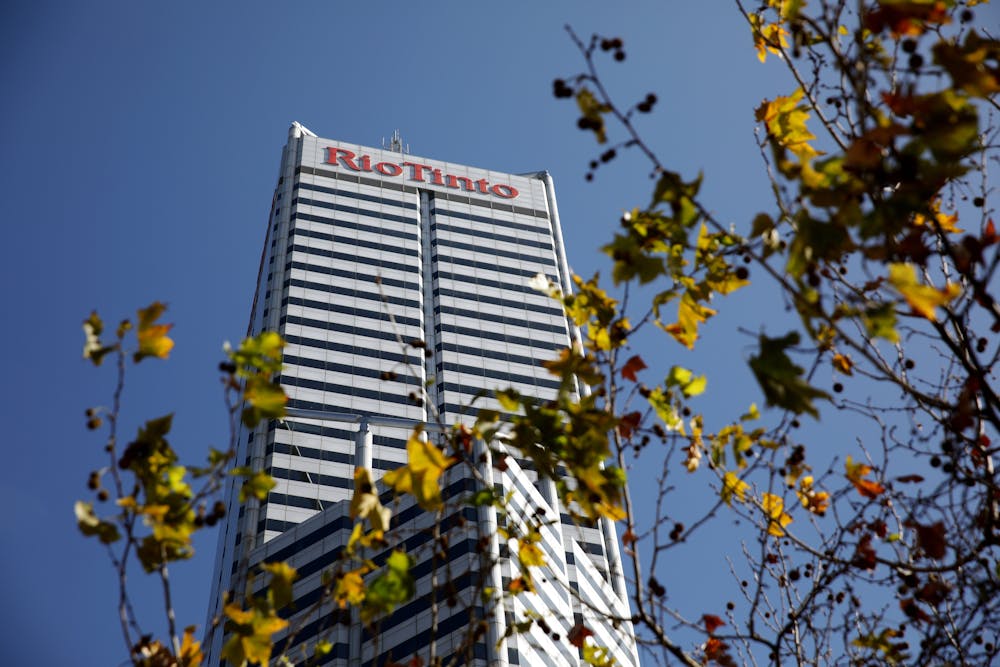
In early 2022, an external review of Rio Tinto’s workplace culture found bullying, sexism and racism are systemic across the company.
In the last five years, 28% of women had experienced sexual harassment at Rio Tinto worksites, and 21 women were victims of actual or attempted rape or sexual assault.
This finding is consistent with the WA parliamentary inquiry, which found sexual harassment is, and has long been, prevalent across the industry. It is fostered by gender inequality, power imbalances and exacerbated by high alcohol consumption.
Read more: Antarctic stations are plagued by sexual harassment – it's time for things to change
The inquiry’s report highlighted that when women tried to report harassment and assault they were bullied, threatened or lost their jobs.
The parliamentary inquiry made a number of recommendations to improve the safety of women in the FIFO mining industry, such as an overhaul of reporting structures within companies.
So far Rio Tinto is the only major mining company that has announced their plan to overhaul their systems to protect women. There has been no word from governments outside of WA on any action in the face of this damning parliamentary inquiry.
2. Biases against women
Women tend to face more obstacles to progression and job satisfaction than men do, because there are systematic biases against them. While a minority belief persists that biases against women simply do not exist, we have known of bias in science for a long time.
In Australia, as in many nations, women do more household and caring work, and STEM fields are generally male dominated. Our expectations of the roles of each gender are influenced accordingly, creating implicit bias against women in science.
Read more: It's not lack of confidence that's holding back women in STEM
Research shows these biases negatively affect all decisions made about women in a professional context, including hiring, promotion, awards, the value of their work, and other professional opportunities.
This means once women are in STEM careers, especially in male-dominated industries such as the mining industry, they encounter more barriers to success than their male colleagues.
3. Parental leave
It’s clear having children isn’t the sole cause of women leaving STEM careers, otherwise we’d see a flood of childfree women in leadership positions throughout the STEM sector, and this is certainly not the case.
However, in Australian heterosexual couples, women generally shoulder the bulk of childcare. This is perhaps in part because men are not ordinarily given equal access to parental leave and flexible working arrangements.
When both parents have equal access to parental leave, families can structure home and outside work equitably. On the other hand, providing birth mums vastly more leave can incentivise inequality, since families may be better off financially or otherwise by not using childcare.
Some mining companies recognise that flexible working conditions could increase retention, and have policies allowing any employee to work flexibly. Others have “family friendly” FIFO rosters, which tends to involve prescription of the roster they believe to be family friendly.
 39% of Australia’s clean energy workforce identify as women.
Marta del Pozo/IWiM, CC BY-NC-ND
39% of Australia’s clean energy workforce identify as women.
Marta del Pozo/IWiM, CC BY-NC-ND
We need systemic change
Like the fossil fuel industry, women in renewables face barriers to retention and promotion.
Representation of university-qualified women decreases in leadership roles and above age 40. Women in the renewables sector make up just 32% of senior leadership or executive roles, 19% of board positions, and 62% of administrative roles.
In Australia’s mining and energy sector, some people are pushing for change and equity, but the problems are widespread and can be difficult to detect.
We need sector-wide, systemic change. This must be brought about by thoughtful and insightful leadership at our most senior levels, guiding new policies and procedures to make workplaces more inclusive of women.
Research shows achieving greater gender balance leads to better economic performance and outcomes, and more innovation. In many STEM industries, we have a strong pipeline of women university graduates being lost to other sectors in their early to mid-careers.
In fact, shifting only 1% of Australia’s workforce into STEM jobs would add $57.4 billion to the nation’s gross domestic product over 20 years.
The clean energy sector has an opportunity to learn from the mistakes of the mining and fossil fuel sector and harness the untapped potential of women in Australia’s STEM-trained workforce. Doing so will deliver even greater economic and environmental benefits.
Authors: Emily Finch, Research Affiliate, Monash University

















