Floods and other emergencies can be extra tough for people with dementia and their carers. Here's how to help
- Written by: Sabrina Pit, Honorary Senior Research Fellow at the University of Sydney, Honorary Adjunct Research Fellow, Western Sydney University
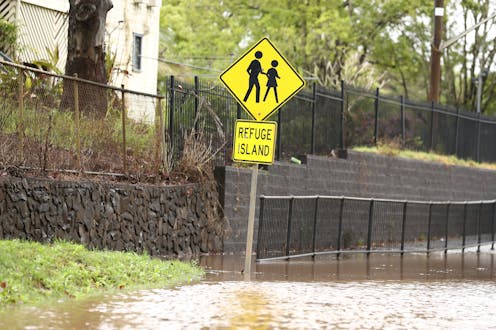
As we write from New South Wales’ Northern Rivers region, other parts of eastern Australia are facing conditions that recall uncomfortable memories from the 2017 floods and those in March this year. Many people are fatigued and still coming to terms with those devastating natural disasters.
We know from previous research people with pre-existing mental health conditions and poorer health are more likely to live in flood zones.
Val, a dementia advocate who has been diagnosed with the neurodegenerative disease, knows this all too well.
My house flooded in March and then I spent a week in a local evacuation centre because I could not get home. My house was covered in mud like so many other houses, and we had to throw out a lot of things. Eight months later, drips of disappointment continue. I still think, I’ll go downstairs and get that but no, it has been tossed out.
Extreme weather events are increasing globally and so are the numbers of people living with or expected to develop dementia. Floods are stressful for everybody – especially Australians living with dementia and those who care for them. But planning and preparation can help.
Read more: Getting urgent medicines in a flood zone can be a life or death challenge
Stressful situations
In stressful situations, such as flooding and exposure to other natural disasters, people living with dementia may respond in unexpected ways. This might include disorientation, restlessness, wandering or not being able to recognise people or things.
Symptoms may increase as will the risk of functional decline (a decrease in the daily tasks a person can do independently). All this also adds extra stress for carers.
Dementia Australia gives the following seven tips every carer can use to support people living with dementia:
- look for simple changes to make home life easier, such as prepared meals or cleaning help
- allow extra time and space for the person to do things for themselves as much as possible
- listen without always trying to jump in and problem-solve
- give the person with dementia extra time to search for words they can’t find immediately
- make use of clever technology, such as reminder alerts or safety warnings
- help them plan social activities
- encourage safe active movement and healthy choices.
These principles apply to preparing for, responding to and recovering from an emergency too.
Be prepared
To simplify the emergency experience for someone living with dementia and engage them in the process, there are several tools to help you prepare for natural disasters. These include the Emergency Preparedness Toolkit for People Living with Dementia or the checklists in Preparing for a Natural Disaster – the Guide to Using RediPlan for Carers of People with Dementia.
Based on our first-hand experiences of working in flood evacuation centres, we know they can be very loud, chaotic and disorienting spaces.
While recognising the practical difficulties of establishing evacuation centres in the middle of a crisis, staff can help provide structural and emotional support for people with dementia and their carers by:
- identifying people with dementia quickly and assessing their needs. A family member or friend may be able to help
- providing quiet, calming spaces within evacuation centres to reduce stress
- prioritising people living with dementia for relocation to safe, stable accommodation rather than remaining for long periods within the unfamiliar centre among unfamiliar faces
- including a component of dementia awareness training for emergency services providers, including volunteers.

Stay connected online
People need digital skills to be able to access information and for communication during disasters. Social media is often used for information exchange and disaster warnings. But access can be a barrier for older people.
However, there is increasing evidence digital technologies, such as mobile phones and computers, can prevent social isolation and loneliness in dementia. We found this in our local community as well.
Last year, Dementia Inclusive Ballina ran a digital training program with 50 carers. We found the number of people who had talked to loved ones in the previous four weeks online had doubled after extra training in the use of Zoom, WhatsApp, and other communication tools.
The federal government’s Be Connected program for older Australians is a network of community organisations who support older Australians to improve their digital literacy.
You can help by teaching people living with dementia and their carers how to access natural disaster information and how to connect during a disaster. These skills are an important part of any digital training program for older people.
Have a network of people around you
The caring role can be an all-consuming one. People living with dementia and their carers are at high risk of being socially isolated. That means they can be hard to reach, especially during disasters.
Carers should be identified and supported to look after their own health. Prioritising carers’ health and living environment enables them to continue to look after their loved ones after a disaster.
You can help them by
- reaching out and asking if you can help. Practical assistance might be cleaning up after the disaster, assisting with shopping, charging phones if there is a power outage, or just lending a helpful ear so carers can debrief
- following up down the track when post-traumatic stress can surface. Care is crucial to support long-term recovery
- taking it a step further and creating a dementia-inclusive community with a group of local people.
Dementia Australia has useful resources to make your community dementia inclusive (in Ballina, for example, we draw on research evidence to connect carers and people with dementia in the region) and there’s an International Standard too.
Emergencies like floods are incredibly stressful for everyone. With preparation, online connections and a strong social network they can show the strength of community and caring, especially for people living with dementia, and their carers.
Read more: Floods leave a legacy of mental health problems — and disadvantaged people are often hardest hit
Authors: Sabrina Pit, Honorary Senior Research Fellow at the University of Sydney, Honorary Adjunct Research Fellow, Western Sydney University