

Kids' screen time rose by 50% during the pandemic. 3 tips for the whole family to bring it back down
- Written by: Joanne Orlando, Researcher: Digital Literacy and Digital Wellbeing, Western Sydney University
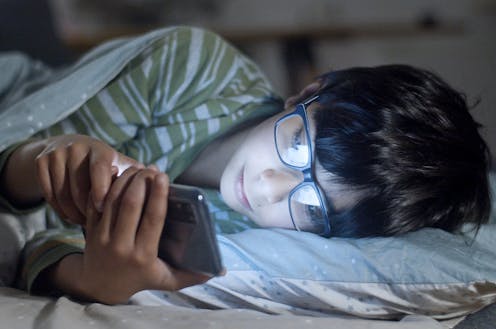
Has your child’s screentime increased since COVID? If you were to estimate by how much would you say 20%, 30% or even a 50% increase?
A newly released review comparing children’s screentime before and during COVID, shows children’s screentime spiked by a whopping 52% between 2020 and 2022. Increases were highest for children aged 12 to 18 years, and for handheld devices and personal computers.
Even though life is (almost) back to normal, many parents have noticed their child’s technology use is still much higher than pre-COVID levels. Their instinct may be to come down hard with rules and restrictions.
But another approach might be to create a healthier balance as a family.
Easy habits to make
The full effect of the pandemic on our technology use is not yet clear, but there are factors to consider when understanding the current state of play of increased time on devices.
A key factor driving ongoing increased screentime is that extensive screen use sustained over time turns into a habit.
In other words, once a person gets used to using technology for greater lengths of time, it becomes their “baseline”. Much like the way a child may get used to staying up late every night in the summer school holidays and then find it difficult to adjust back to school term bedtime again. The longer we do it, the more adjustment needed.
During our two COVID-induced years of restrictions, regulations and stay-at-home orders, many other activities were also removed from children’s routines. Not only did screentime increase, but it also became the only resource child had for school, play, communication, and everything in between. Screentime was not an add-on to their day, it became the core of their day.
Another factor driving children’s increased screentime more of our life has gone online since COVID. Online learning has become an ongoing element of education. Online work and entertainment have all become more digital.
As a result children continue to use technology for longer periods of time and more intensely, and it’s likely this trajectory will continue to increase.
Effects on kids
Increased screen time likely did not negatively interfere with wellbeing during lockdown periods as it was the only way to remain socially connected. However many worry, about the impact of ongoing high levels of screentime on children.
Evidence of its impact is still sketchy. One of the main reasons is that it is now very difficult to separate our online and offline worlds.
But there are important points to consider regarding how problematic screentime impacts mental and cognitive health, which sit at the core of learning and development for children, and for us as adults.
We know there is a link between screen use and stress and anxiety. This doesn’t not necessarily mean phone use causes stress and anxiety. It may be that when we are stressed and anxious, we reach for our phone to relieve it. But when that happens problems are not resolved and stress maintains. This can become a habit for children.
Overuse of a screen can lead to mental and physical fatigue impacting a child’s mood and ability to focus and learn.
Sleep is important for learning because it is during sleep we consolidate the ideas we engaged with that day. Little sleep means our brain doesn’t have a chance to do this, which negatively impacts learning. Some small, limited lab-based experimental studies suggest screen use may negatively impact adults’ body clock and sleep.
However, disrupted sleep is more often associated with the content a child engages with on a screen before bedtime. Hyped, highly emotive content – whether it’s on their phone, tablet or TV – is more likely to keep a child up at night. Reading a sweet story book on their screen, before bed has a different impact.
Read more: Development of vision in early childhood: No screens before age two
3 tips for cutting back as a family
Taking measures to cut a child’s screentime may seem like the most obvious parenting strategy. However, it is not necessarily the best as it often cannot be sustained. There are other measures that are more effective.
Like children, adults also experienced excessive screentime during COVID. Given parents’ level of screen use is strongly associated with children’s screen use, getting our own screentime back under control is an important role model that children need to see. Here are three tips:
1. Approach it together
One study from Denmark focused on all family members taking measures together to change their screen habits and the results were highly effective. Families reported positive effects on mental wellbeing and mood of all family members.
2. Prepare for challenges
Important to the success of families in the study was that they were encouraged to talk about their expected challenges of reducing screen use and list potential solutions. This “in it together” approach enhances family bonding, motivation for change and new home screen environments.
3. Guide all elements of healthy screen use
Ensure parental guidance focuses on all three aspects of healthy device use: screen time, screen quality and screen buddies. This means keeping a eye on time spent on a device but also ensuring a child uses technology in a wide variety of positive ways, in varying social situations – sometimes independently but often with others.
Technology use has changed markedly since COVID. Managing screentime remains integral for children’s health and wellbeing. But how we understand screentime, its place in our lives and how we help children manage it must move with the times.
Read more: TikTok can be good for your kids if you follow a few tips to stay safe
Authors: Joanne Orlando, Researcher: Digital Literacy and Digital Wellbeing, Western Sydney University


















