

The historic COP15 outcome is an imperfect game-changer for saving nature. Here's why Australia did us proud
- Written by: Sarah Bekessy, Professor in Sustainability and Urban Planning, Leader, Interdisciplinary Conservation Science Research Group (ICON Science), RMIT University
Billed as the event that’ll determine the fate of the entire living world, the United Nations’ COP15 nature summit has wrapped up in Canada with a historic deal, which includes protecting roughly a third of nature by 2030.
The planet is entering its sixth mass extinction event, and new evidence suggests the crisis is twice as bad as scientists previously thought. The new global agreement – called the Kunming-Montreal Global biodiversity framework – saw 196 delegations commit to 23 targets to stem this tide of extinction. Its aim is to pave the way for humanity and nature to live in harmony by 2050.
The framework is a game-changer for global biodiversity, but it isn’t perfect. There remains a few sticking points – primarily regarding funding and firm targets – and not all world leaders are pleased with the outcome.
Australia is a global leader in wildlife extinctions, so has a special part to play in the negotiations. In a refreshing departure from some previous efforts at COP meetings, Australians can be proud of our representation at this one, arguing for strong targets and promising to host an international nature summit in 2024.
Bringing down the gavel
After four years of negotiations, including two years of delay due to COVID, the framework was adopted at 3:30am Montreal time. Controversially, the deal was declared despite objections from some wildlife-rich African countries.
In particular, a representative from the Democratic Republic of Congo said the nation couldn’t support the agreement. They argued that a separate fund should be developed from rich countries to support poorer ones to protect their biodiversity.
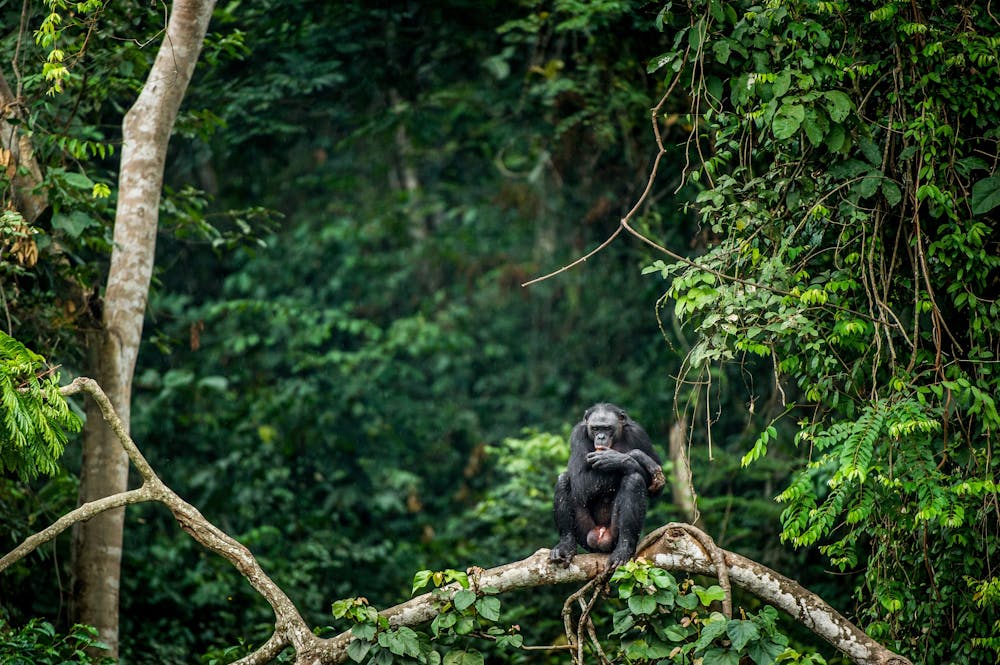
Australia has a lot on the line at these summits. Like Congo, Australia is one of 17 “megadiverse” countries, which together account for over 70% of Earth’s biodiversity. Yet, we lead the world in mammal extinctions and 19 of our most important ecosystems, such as the Great Barrier Reef, are collapsing.
We’re pleased to see that Environment Minister Tanya Plibersek championed many critical inclusions of the agreement, including:
“30x30”: 30% of land, freshwater and oceans protected by 2030
a strong species extinction target, which is to ensure “urgent management” to “halt human-induced extinction” and to recover threatened species
including targets to restore degraded lands
stronger regulation and targets for plastics and plastic pollution
requiring companies to disclose how they depend upon and impact biodiversity
including targets for nature-based solutions to protect against extreme events and climate change, such as restoring mangroves
including a reference in the deal to the circular economy, which emphasises reusing materials to produce the things we consume
Some of these aspirations were included in the final agreement, most notably including the 30% protection target and targets for restoring degraded lands.
Some were watered down, including the timing of the goal to achieve zero new species extinctions (delaying its achievement until 2050) and relying on generic language of “urgent management action”.
Some, such as language on the “circular economy”, didn’t make it in. And explicit targets were removed from earlier drafts regarding the regulation of plastics and pollution, instead replaced with generic language of “prevent” and “reduce”.
Many positives to celebrate
Hugely important is the target to protect and conserve 30% of the planet. This will focus on areas rich in biodiversity, such as the grasslands of the Victorian volcanic plain, and ensure these areas are well connected and representative of different habitats.
But while declaring new protected areas is critical, declaration alone is insufficient.
To be effective, protected areas need strong investment and active conservation management of, for example, invasive species and climate change. Many of Australia’s protected areas, including national parks, are heavily impacted by deer, rabbits, goats, foxes and feral cats and more.
Another important part of the agreement is to see at least 30% of degraded inland water and coastal and marine ecosystems under effective restoration by 2030. This is in addition to increasing protected areas to be 30% of the planet.
We were also happy to see over a thousand businesses present at COP15, from IKEA to H&M Group to Unilever. More than 330 business leaders called for a strong final agreement, including the requirement for businesses to disclose how their operations impact and depend upon nature.
This is a significant turnaround from previous COPs, and has been hailed by Eva Zabey, from global coalition Business for Nature, as helping “reset the rules of our economic and financial systems”.
Unfortunately, the final text of the agreement removed targets to halve business impacts on biodiversity, and disclosure of impacts is only required for large and transnational companies.
The role and rights of Indigenous peoples and local communities was highlighted in the agreement, recognising the value of Indigenous territories and Indigenous-led conservation models. Indigenous land contains an estimated 80% of global biodiversity, yet Indigenous people comprise less than 5% of the world’s population.
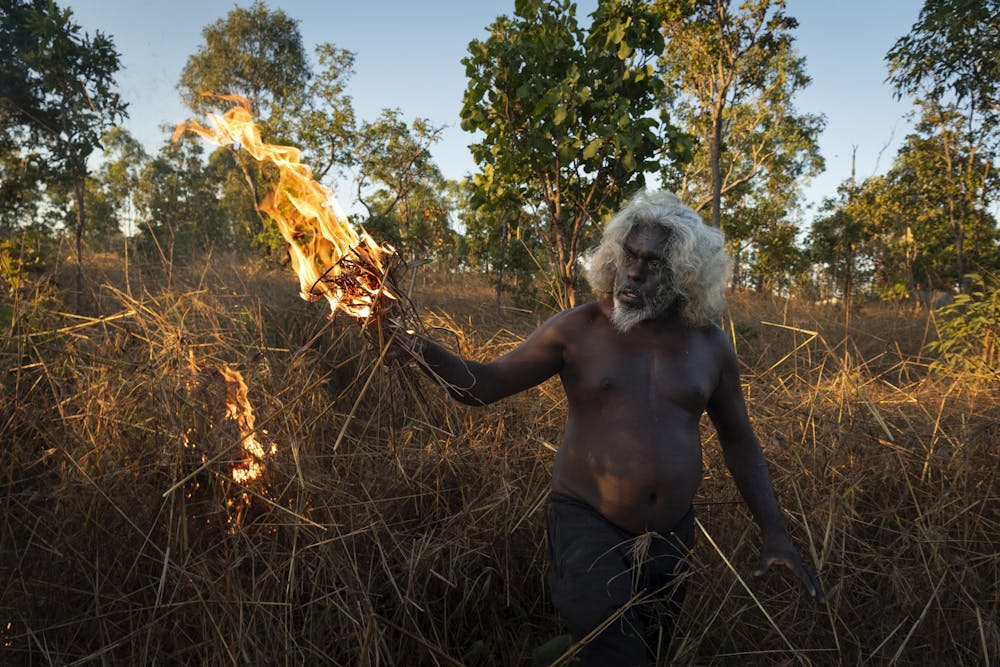 First Nations people in Australia lay a vital role in protecting nature.
AMBER BRACKEN/WORLD PRESS PHOTO FOUNDATION
First Nations people in Australia lay a vital role in protecting nature.
AMBER BRACKEN/WORLD PRESS PHOTO FOUNDATION
Going forward, it’s crucial to ensure these rights are respected in implementing targets such as 30x30.
Given the important role of Indigenous Protected Areas in the makeup of Australia’s network of protected areas, properly resourcing and supporting these places and communities will be critical for Australia to meet its biodiversity targets.
Read more: Without Indigenous leadership, attempts to stop the tide of destruction against nature will fail
Some negatives to lament
COP15 saw a strong push for more funding to flow from wealthy countries to support developing countries to protect and recover their biodiversity. But representatives from Latin American, Africa and South East Asia walked out of meetings last week in protest that they weren’t being heard.
The eventual agreement was for US$30 billion per year to flow from wealthy to poorer countries by 2030. But these commitments are not legally binding and detail is yet to be negotiated.
The biggest disappointment in the new Global Biodiversity Framework is the slow pace of key targets. For example, Australia has now committed to prevent any further human-caused extinctions by 2030 – an aspiration the rest of the world should have formally adopted.
Read more: Invasive species threaten most protected areas across the world - new study
We can’t wait until 2050. 28 years of more species loss will leave the diversity of life depleted, undermining our environments, food systems, culture and way of life.
In the original text drafted ahead of the summit, there was explicit reference to achieving a “nature positive world” by 2030. “Nature positive” refers to world where nature is regenerating rather than depleting.
But this framing didn’t make it into the final agreement, and will need to be progressed in other ways.
How can Australia do better?
Australia was less vocal on how the 70% of land outside global protected areas is to be managed, and on ensuring sustainable consumption.
These are areas requiring stronger ambition and leadership, given so many native, threatened species depend private land. Indeed, habitat loss is a prevailing driver of extinction in Australia.
An estimated A$2 billion of targeted threatened species recovery funding is needed each year to avoid extinctions and recover Australia’s threatened plants and animals.
But Australia has been criticised for the lack of funding committed to biodiversity and threatened species recovery, compared to less biodiverse countries such as Germany and France.
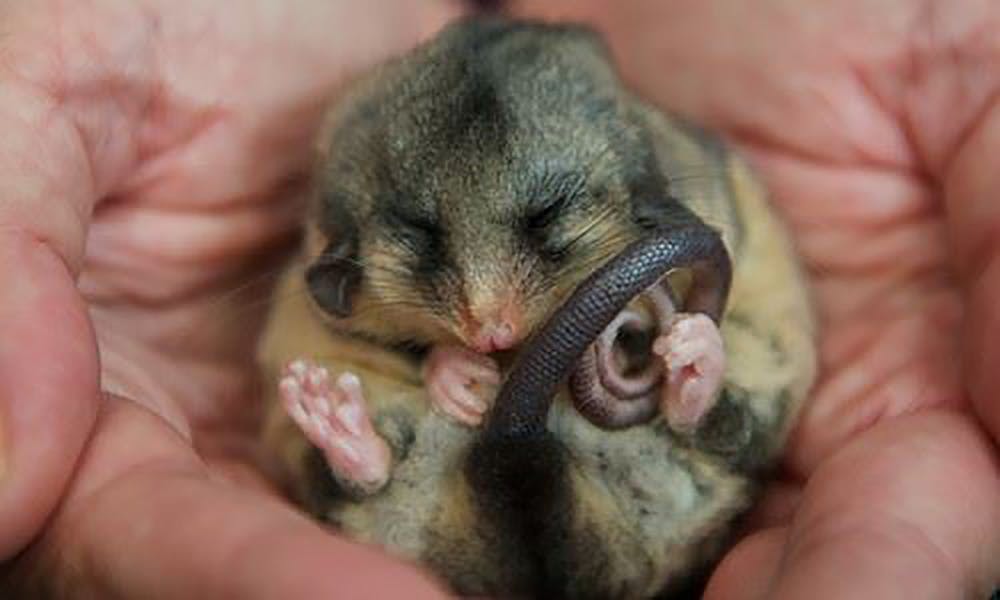 Critically endangered mountain pygmy possum.
AAP Image/Supplied, Victoria Zoo
Critically endangered mountain pygmy possum.
AAP Image/Supplied, Victoria Zoo
Time for action
Ultimately, there is plenty to be hopeful about. Biodiversity has never been so high on the agenda of political and business leaders worldwide. We now have a new global commitment to “halt and reverse” the extinction crisis with some tangible targets that the 196 signatories must respond to.
With this crucial agreement in place, governments, businesses and communities must now figure out how to put the agreement into practice.
But time is of the essence. If we let our planet sink into the depths of the sixth mass extinction, generations to come will not see the end of it. It will take tens of millions of years to recover.
Governments have consistently failed to meet targets set for nature in previous global meetings. So we must now develop mechanisms to hold governments accountable and to collectively undertake the serious work ahead, to ensure we protect and recover our biodiversity.
Read more: National parks are not enough – we need landholders to protect threatened species on their property
Authors: Sarah Bekessy, Professor in Sustainability and Urban Planning, Leader, Interdisciplinary Conservation Science Research Group (ICON Science), RMIT University


















