

Google AI


Modern Australian

What are 'masking' and 'camouflaging' in the context of autism and ADHD?

  • Written by: Beth Radulski, PhD Candidate and Neurodiversity Project Manager, La Trobe University

What are 'masking' and 'camouflaging' in the context of autism and ADHD?

Many autistic people and ADHD-ers report using “masking” and “camouflaging” in their lives. This is where people conceal certain traits and replace them with neurotypical ones to avoid being recognised as neurominorities.

This can involve changing things such as

  • tone of voice

  • facial expressions

  • eye contact

  • speech patterns, and

  • body language.

Autistic people make these changes in an effort to match dominant social norms.

Some ADHD-ers also embrace the concept, though ADHD masking remains under-explored in research.

Masking and camouflaging can cause immense stress for neurominorities. And they’re different to the adjustments neurotypical people make in response to social cues. While neurotypical people may moderate behaviour to enhance social success, masking and camouflaging differ as they are used to avoid negative consequences.

Here’s what you need to know.
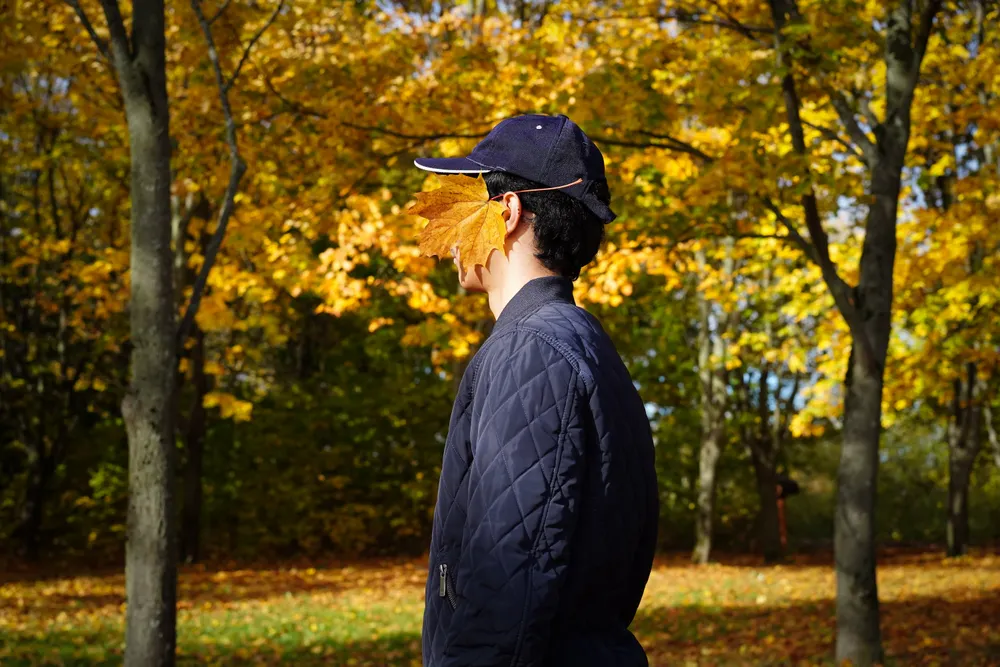
A person's face is covered by a leaf.
Masking and camouflaging are linked to physical, emotional, and intellectual exhaustion. Shutterstock

How does masking or camouflaging affect neurominorities?

Masking and camouflaging are linked to:

Yet, without masking and camouflaging many autistic people report experiencing difficulty getting jobs and qualifications or issues with social exclusion. They may even risk verbal and physical assaults.

The consequences of unmasking can be enormous. Disclosing autism can risk permanent residency applications being denied, and may lead to unwanted “treatments”. For autistic people of colour in particular, this can even result in violence from police.

Reducing the need for masking and camouflaging

In my late twenties, I found out I am autistic. Suddenly, things started to make sense. From failing ninth grade, to chronic unemployment, and social isolation, I realised my disorder was causing these poor outcomes – or so I first thought.

This medical model understanding assumes disability is created primarily by a medical disorder in the body or brain. That struggles autistic people or ADHD-ers face with social life, employment, or schooling are because their brain doesn’t work the way it “should”.

The neurodiversity movement asks us to rethink this. It challenges us to ask how society can change to better include neurominorities (rather than seeing neurominorities as a problem needing to be “fixed”).

The #TakeTheMaskOff campaign on Twitter, driven by neurodiversity activists, aims to address anti-autism discrimination and boost social acceptance and inclusion.

So, how can society prevent poor wellbeing, social, educational, and employment outcomes for neurominorities? And what’s this got to do with masking?

My research suggests a first step is to begin identifying how neurotypical privilege – the cultural and social dominance of neurotypical norms – drives masking and camouflaging.

My work on autism is influenced by the work of activists who have paved the way for disability anti-discrimination policy. My recent paper argues for an intersectional approach to examining why autistic people use masking and camouflaging and what changes we can make to reduce the need for them to do so.

Intersectionality identifies how forces such as colonialism, racism and patriarchy help reinforce systemic inequity.

For example, might neurominority women in male-dominated settings be under extra pressure to mask in order to “pass” as neurotypical? Might autistic people of colour face unique risks when unmasking, in ways that most white people do not?

Perhaps one day we will see legal protections for visible neurominorities who cannot mask and camouflage, or choose not to.

A woman covers her eye with a cardboard piece. We can begin identifying how neurotypical privilege – the cultural and social dominance of neurotypical norms – drives masking and camouflaging. Photo by Leeloo Thefirst/Pexels, CC BY

In the meantime, you can support neurodiversity inclusion by:

Schools, workplaces, social circles, and research institutions should address neurotypical privilege. They should empower diverse neurominority leaders, and support them to drive systemic cultural change.

This is how we can remove barriers to unmasking, and improve life for neurominorities at work, school and in broader society.

Authors: Beth Radulski, PhD Candidate and Neurodiversity Project Manager, La Trobe University

Read more https://theconversation.com/what-are-masking-and-camouflaging-in-the-context-of-autism-and-adhd-193446

Better Business Photos Without Misleading Customers: An Australian Guide

A timber dining set looks inviting against a sunny deck, with cushions, lanterns and enough chairs for the whole family. But imagine the retailer sell...

Understanding a dental implant Melbourne Treatment Plan

A dental implant Melbourne patients may consider is one option for replacing a missing tooth, but suitability depends on oral health, bone support a...

How 3PL Logistics Australia Supports Faster and More Efficient Supply Chains

Why Has 3PL Logistics Become Important for Growing Businesses?  Gone are the days when supply chains were simpler and in minimal quantity. Now, the...

Common Skin Concerns and Treatment Options Available in Melbourne

Skin concerns can develop gradually or become noticeable following changes in age, lifestyle, sun exposure or hormonal factors. Pigmentation, rednes...

Why a Code-Compliant Home Can Still Feel Uncomfortable

When people build or renovate a home, they usually expect that meeting current building requirements will also produce a comfortable place to live. ...

Breach of Contract in Business: What Are Your Options?

Contracts are essential to business relationships. They establish expectations, allocate responsibilities and provide a framework for delivering goods...

How Pest Control Companies Can Rank for the Problems Customers Search First

Introduction SEO for Pest Control needs to start with the customer’s problem. Most people do not search for pest services in a neat or technical wa...

What Are the Benefits of Renovating an Older Home in Sydney?

Sydney has plenty of character homes, from Federation cottages to mid-century brick homes. Renovating rather than rebuilding can preserve what makes t...

Pool and Deck Design: How to Plan the Perfect Outdoor Living Space for Your Sydney Home

For many Australians, the backyard is where life happens. Summer barbecues, weekend swims and long evenings outdoors are all part of the lifestyle, ...

Is Solar Pool Heating Worth It? What Sydney Homeowners Should Know

There's nothing quite like a backyard pool on a hot Sydney day. But once autumn rolls in, many pools sit unused for months because the water is simp...

Planning a Luxury House Move: A Week-by-Week Timeline for Prestige Sydney Homes

Selling or buying a prestige home is a major milestone. Whether it's a waterfront residence in Birchgrove, a grand Federation home in Haberfield or ...

Downsizing or Upgrading Your Caravan? Here's How to Sell It Without the Hassle

Selling a caravan can feel like a major task, especially when you are unsure about its value, paperwork, or how to find a buyer. Whether you are dow...

The Best Overseas Adventure Holidays for Australians Who Love the Outdoors

Australia offers no shortage of incredible outdoor experiences, but sometimes the best way to satisfy your sense of adventure is to head overseas. A...

Cape Town Wine Shuttle: Winelands Tasting & Tours

Embark on an unforgettable journey through the picturesque Cape Winelands, where world-class wines and breathtaking scenery await. Our Cape Town Win...

Metal Fabrication: Choosing Metal Fabrication Melbourne Services for Custom Projects

What Modern Metal Fabrication Involves From individual components to complete structures, metal fabrication brings together processes such as desig...

Why Giant Rats Tail Grass Keeps Coming Back After Spraying

Giant Rats Tail Grass (GRT) is one of the most frustrating pasture weeds for farmers and lifestyle property owners. You spray an infested area, see th...

When Custom Cardboard Boxes Make Sense for Your Business

Custom cardboard boxes can be useful when a standard carton does not fit a product, packing method or presentation requirement particularly well. A ...

Full-Height vs. Pop-Top Caravan: Which Is Better for Family Travel across WA?

A pop-top caravan is an excellent choice for travellers who want the comfort of a caravan without committing to a larger, bulkier setup. With a lowe...

















