

Kids cause suffering (at least for parents) but do they make you unhappy?
- Written by Dr Caroline West, Senior Lecturer in Philosophy, University of Sydney

Some influential studies show that the decision to have kids leads to greater suffering — at least for parents. A famous study by Nobel prize-winning psychologist Daniel Kahneman and collaborators showed that working women experienced more negative, and less positive, emotions while caring for kids than while engaged in almost any other activity (except cleaning the bathroom).
Subsequent research has shown that the effect is mediated by factors such as wealth and social support, but the central point remains. Even in the most favourable circumstances, having kids is a less than optimal way to maximise the overall amount of pleasure and enjoyment in your life.
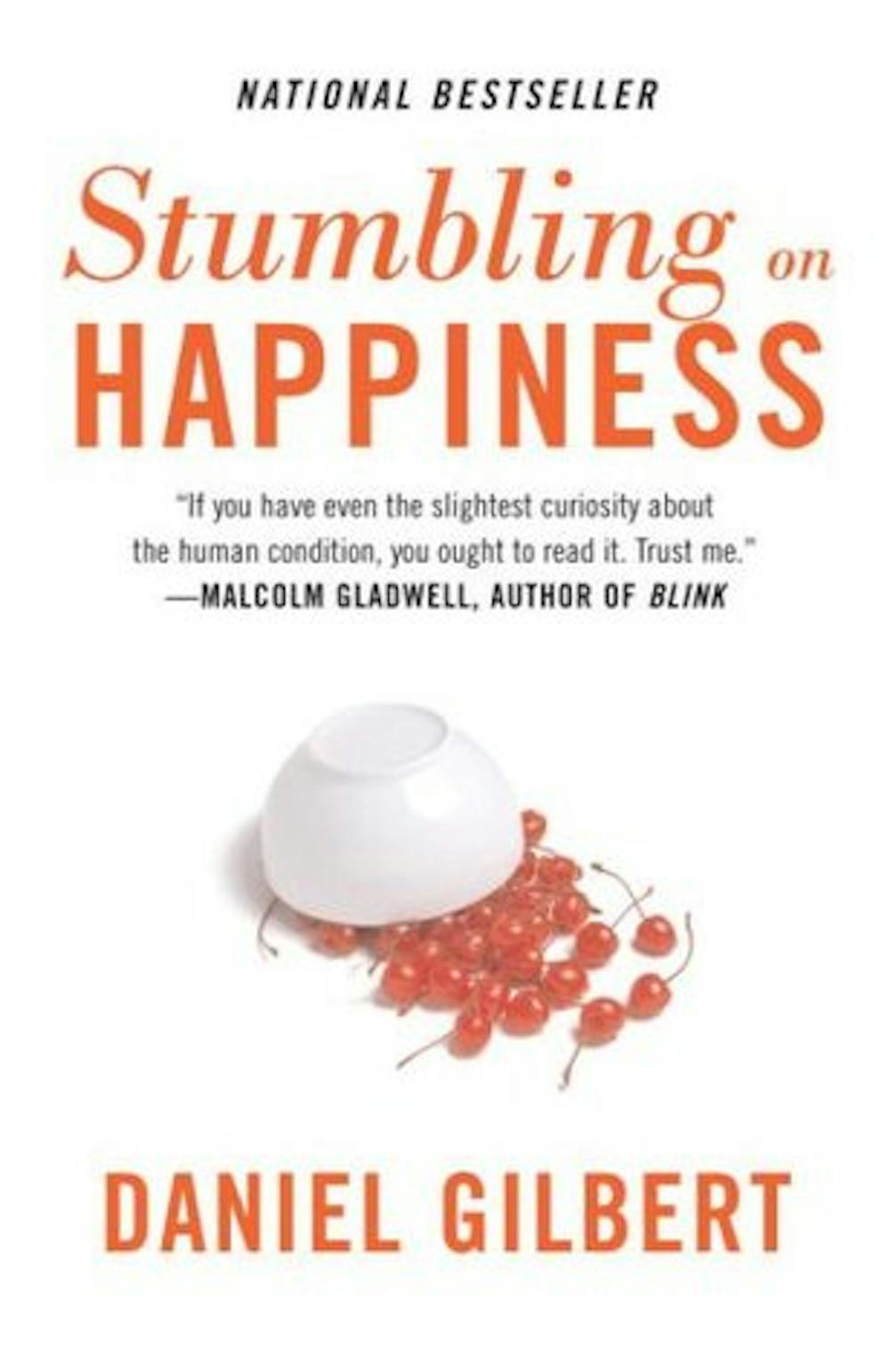
Such findings have been interpreted in popular and scholarly discussions as implying that kids are not a great source of happiness. In his New York Times bestselling book, Stumbling on Happiness, leading Harvard psychologist Daniel Gilbert claims findings like Kahneman’s reveal that the idea that “children bring happiness” is a false “super-replicator”: a cultural myth designed to keep unsuspecting parents passing on their genes, even though it makes them miserable. The tagline on Gilbert’s book reads “Think you know what makes you happy?” Well, think again.
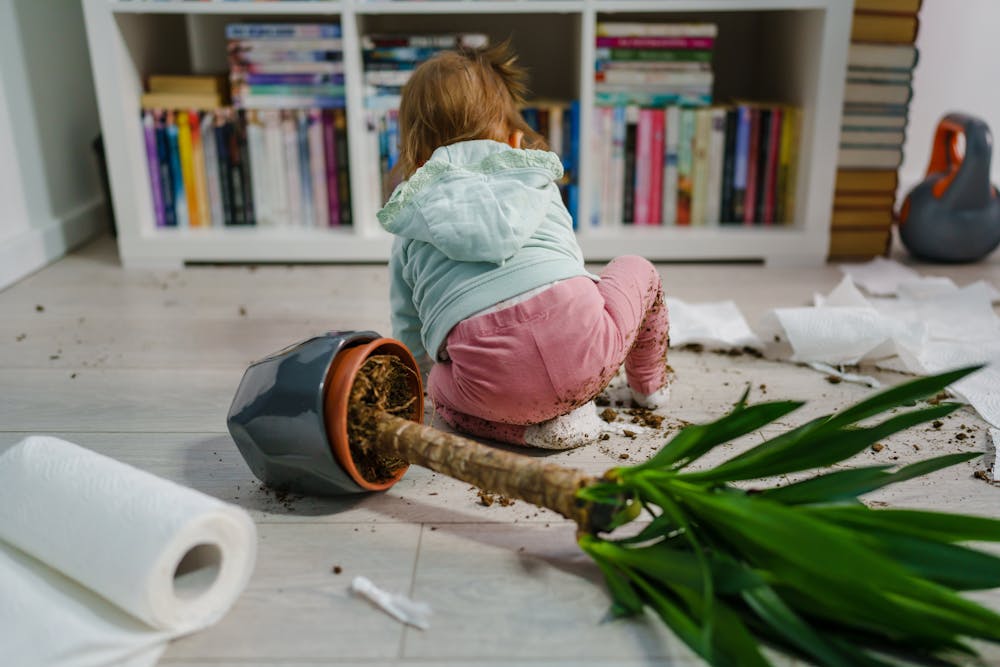 Does it really come as a surprise that kids are frequently exhausting and unpleasant?
Shutterstock
Read more:
Five life-affirming words we should bring back into use
Higher pleasure
The fact that many of us know this, and still treat kids as a source of happiness, suggests that (at least as many use the term) happiness is not simply to be identified with a favourable balance of enjoyment over suffering. (As books on pleasure and enjoyment don’t sell nearly so well as books on happiness, the temptation to relabel is understandable.)
Moreover, the idea that happiness can be reduced to pleasure and enjoyment has historical precedent, albeit recent. Formed from the middle-English “hap”, “happiness” originally meant “fortunate” or “lucky” and referred to how well things were really going for a person, not simply to their (possibly deluded) state of mind.
Does it really come as a surprise that kids are frequently exhausting and unpleasant?
Shutterstock
Read more:
Five life-affirming words we should bring back into use
Higher pleasure
The fact that many of us know this, and still treat kids as a source of happiness, suggests that (at least as many use the term) happiness is not simply to be identified with a favourable balance of enjoyment over suffering. (As books on pleasure and enjoyment don’t sell nearly so well as books on happiness, the temptation to relabel is understandable.)
Moreover, the idea that happiness can be reduced to pleasure and enjoyment has historical precedent, albeit recent. Formed from the middle-English “hap”, “happiness” originally meant “fortunate” or “lucky” and referred to how well things were really going for a person, not simply to their (possibly deluded) state of mind.
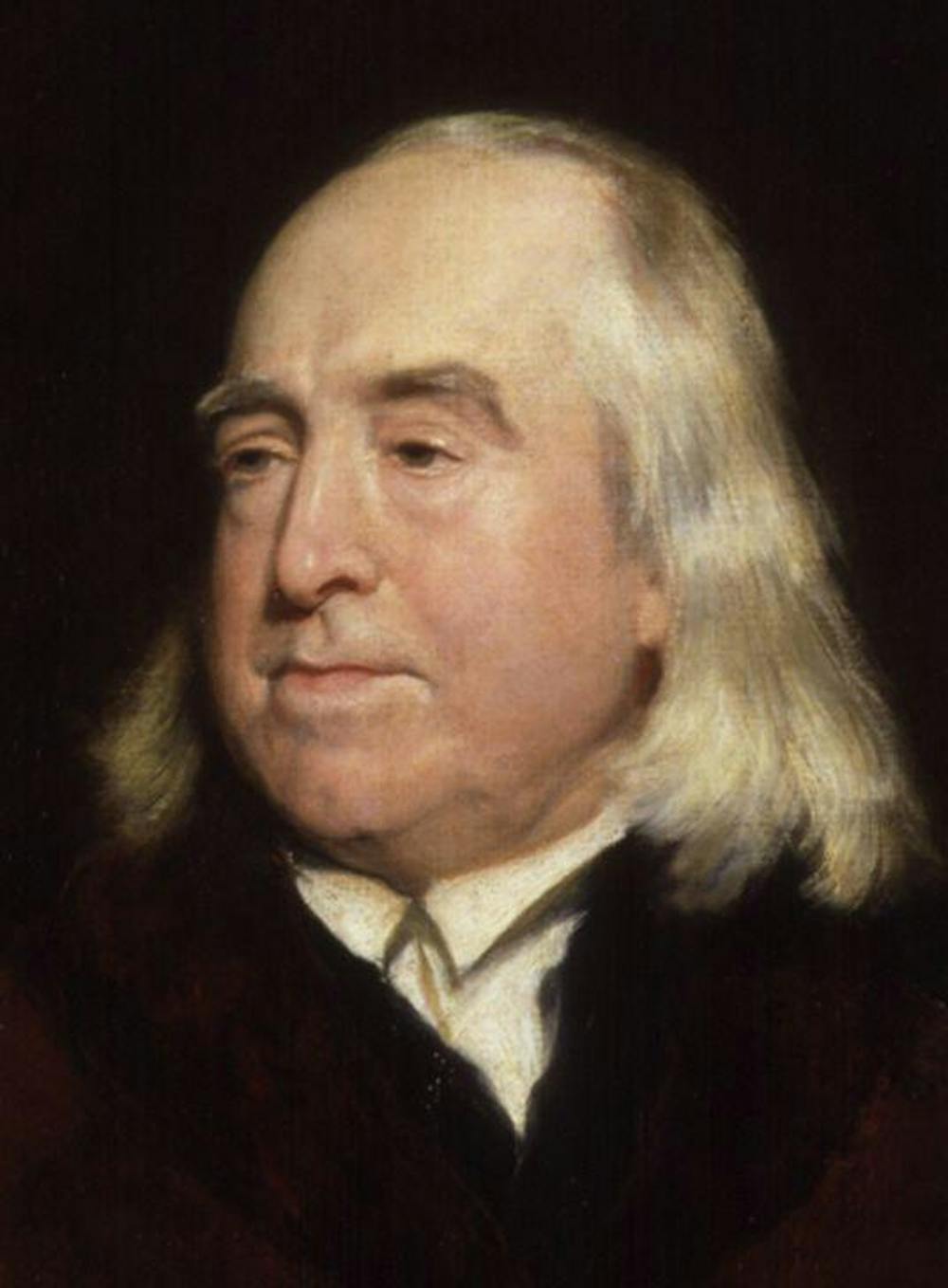 Portrait of Jeremy Bentham by Henry William Pickersgill.
Wikimedia Commons
By the late 1700s, however, a new uniquely feeling-based way of thinking about happiness had emerged, especially in England, reinforced if not initiated by the work of influential thinkers such as Jeremy Bentham.
Bentham famously put happiness front and centre of his philosophy of how to live, proclaiming “greatest happiness” to be the sole end of conduct and “the foundation of morals and legislation”. He took pains to clarify that by “happiness” he did not mean what Aristotle meant (virtuous activity), but nothing more than a felt sensation.
John Stuart Mill, followed in his godfather (Bentham’s) footsteps, but departed from him by insisting that pleasures and pains could and should be distinguished by their quality as well as quantity of felt experience. The “higher,” qualitatively superior pleasures make a greater contribution to happiness.
Mill’s view sounds objectionably elitist, but it is not. The test of whether one type of pleasure is “higher” than another is simply whether someone who has experienced both types of pleasure would prefer it, when considering it just as a feeling (apart from its usefulness).
Just as two glasses of wine may differ in their quality (as well as quantity), so Mill thought that one pleasant experience (e.g., the “flow” experienced by a musician absorbed in playing a challenging piece or a bushwalker immersed in nature) may be better quality than another (watching Netflix).
Might having kids be, or at least lead to, higher pleasure? Possibly, though Mill, himself childless, never directly considers it.
Portrait of Jeremy Bentham by Henry William Pickersgill.
Wikimedia Commons
By the late 1700s, however, a new uniquely feeling-based way of thinking about happiness had emerged, especially in England, reinforced if not initiated by the work of influential thinkers such as Jeremy Bentham.
Bentham famously put happiness front and centre of his philosophy of how to live, proclaiming “greatest happiness” to be the sole end of conduct and “the foundation of morals and legislation”. He took pains to clarify that by “happiness” he did not mean what Aristotle meant (virtuous activity), but nothing more than a felt sensation.
John Stuart Mill, followed in his godfather (Bentham’s) footsteps, but departed from him by insisting that pleasures and pains could and should be distinguished by their quality as well as quantity of felt experience. The “higher,” qualitatively superior pleasures make a greater contribution to happiness.
Mill’s view sounds objectionably elitist, but it is not. The test of whether one type of pleasure is “higher” than another is simply whether someone who has experienced both types of pleasure would prefer it, when considering it just as a feeling (apart from its usefulness).
Just as two glasses of wine may differ in their quality (as well as quantity), so Mill thought that one pleasant experience (e.g., the “flow” experienced by a musician absorbed in playing a challenging piece or a bushwalker immersed in nature) may be better quality than another (watching Netflix).
Might having kids be, or at least lead to, higher pleasure? Possibly, though Mill, himself childless, never directly considers it.
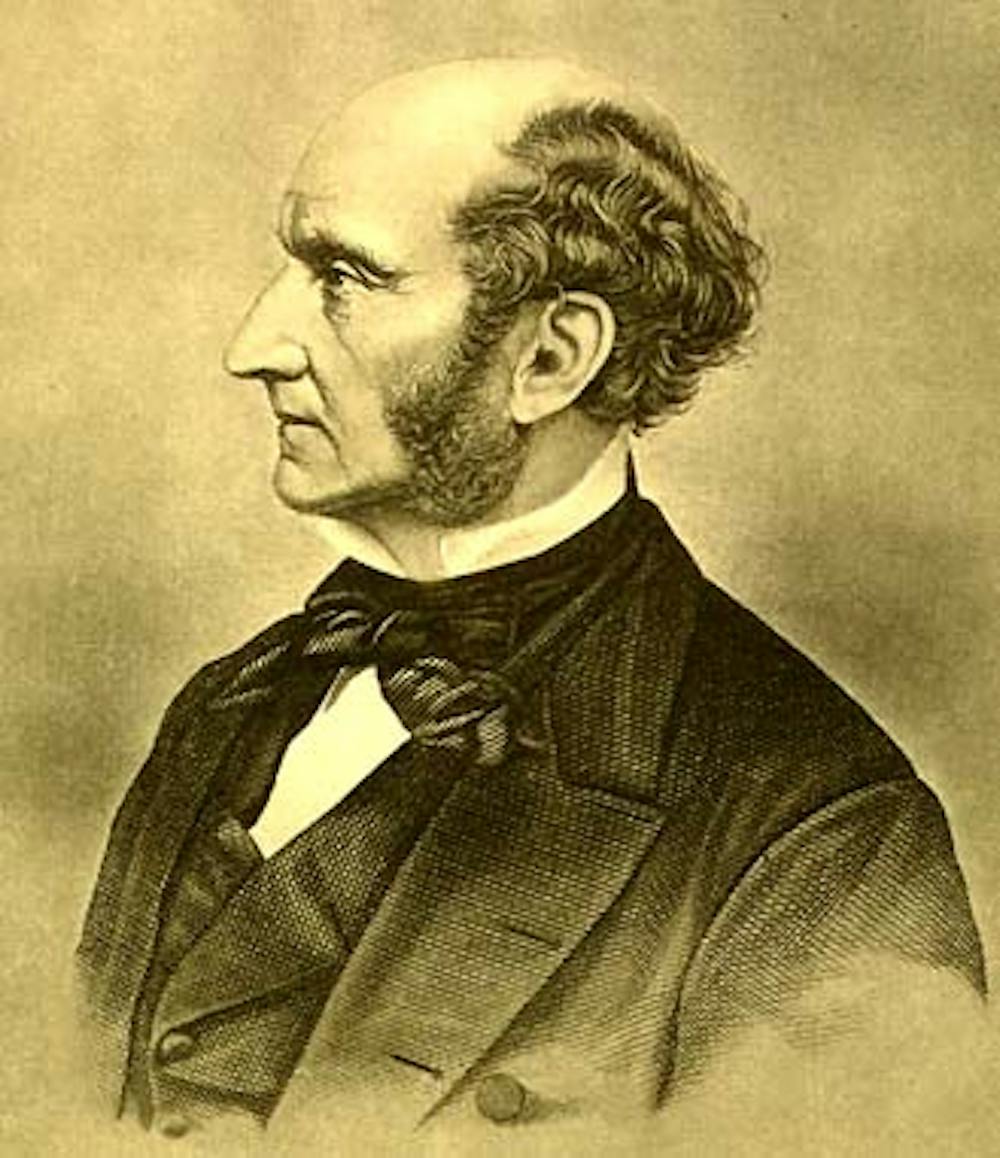 John Stuart Mill.
Wikimedia Commons
While Mill distinguished certain pleasures as superior in felt quality, pleasure itself — and so happiness — remained a wholly inner subjective experience. But there is a more ancient tradition of thought that takes happiness — or at any rate the kind of happiness most worth pursuing — to depend on its sources, as well as how it feels.
Pleasure taken in the wrong sources — say, from a bottle, or which results from wilful blindness or delusional thinking — is not authentic happiness, and contrasts with genuine pleasures of actual relationships and achievements.
Think of the denizens of Aldous Huxley’s Brave New World with their never-ending free supply of Soma. Are they really happy? Or are they living in a fool’s paradise?
More than pleasant feelings
There is evidence that our assessments of happiness are sensitive not just to how someone feels, but also to the sources of these feelings; and hence that happiness, as ordinary people sometimes use this term, does not simply refer to pleasant feelings.
Be that as it may, the kind of happiness (if it is) that comes out of a syringe is not the kind of happiness that most of us value most highly — otherwise denizens of Brave New World would be living the good life, but hardly anyone on reflection agrees with this.
“Happiness” sometimes refers simply to a bunch of pleasant feelings, but it can refer to more than just feelings. While we care about feeling good, we often care about other things more. Creation, growth, a sense of achievement, and connection — even when things are difficult, challenging or downright unpleasant.
So, while we may agree that children are far from an unmitigated bundle of joy, we may want to resist the move to saying that they are not a great source of happiness — or, more generally, to identifying happiness simply with feeling good. There are other, perhaps more important, kinds of happiness.
Authors: Dr Caroline West, Senior Lecturer in Philosophy, University of Sydney
John Stuart Mill.
Wikimedia Commons
While Mill distinguished certain pleasures as superior in felt quality, pleasure itself — and so happiness — remained a wholly inner subjective experience. But there is a more ancient tradition of thought that takes happiness — or at any rate the kind of happiness most worth pursuing — to depend on its sources, as well as how it feels.
Pleasure taken in the wrong sources — say, from a bottle, or which results from wilful blindness or delusional thinking — is not authentic happiness, and contrasts with genuine pleasures of actual relationships and achievements.
Think of the denizens of Aldous Huxley’s Brave New World with their never-ending free supply of Soma. Are they really happy? Or are they living in a fool’s paradise?
More than pleasant feelings
There is evidence that our assessments of happiness are sensitive not just to how someone feels, but also to the sources of these feelings; and hence that happiness, as ordinary people sometimes use this term, does not simply refer to pleasant feelings.
Be that as it may, the kind of happiness (if it is) that comes out of a syringe is not the kind of happiness that most of us value most highly — otherwise denizens of Brave New World would be living the good life, but hardly anyone on reflection agrees with this.
“Happiness” sometimes refers simply to a bunch of pleasant feelings, but it can refer to more than just feelings. While we care about feeling good, we often care about other things more. Creation, growth, a sense of achievement, and connection — even when things are difficult, challenging or downright unpleasant.
So, while we may agree that children are far from an unmitigated bundle of joy, we may want to resist the move to saying that they are not a great source of happiness — or, more generally, to identifying happiness simply with feeling good. There are other, perhaps more important, kinds of happiness.
Authors: Dr Caroline West, Senior Lecturer in Philosophy, University of Sydney 
















