

We found the WA radioactive capsule. But in 1980, Australia lost 2,200 kilograms of uranium oxide – stolen by a mine worker
- Written by Erik Eklund, Professor of History, Australian National University
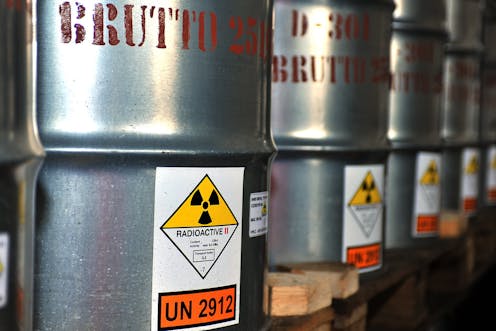
The loss of a capsule of caesium-137, measuring 6mm by 8mm, dominated the news late last month. The capsule was found in the Western Australian outback on February 1, but in terms of losing radioactive material, we have been here before.
And in at least one case, the sheer amount of lost radioactive material dwarfed the recent WA incident.
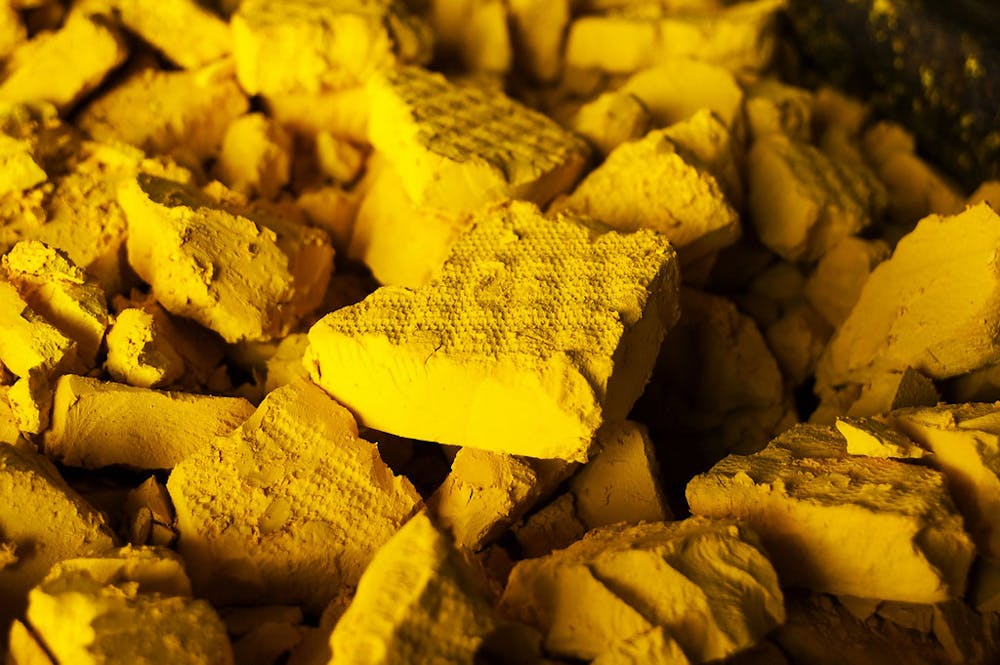
Theft of 2,200 kilograms of ‘yellow cake’
In 1980 it was revealed that an Australian uranium mine had lost 2,200 kilograms of uranium oxide or “yellow cake”. The material came from the Mary Kathleen uranium mine and processing plant, between Mount Isa and Cloncurry in Queensland.
The mine was serviced by a purpose-built town – “Mary K”, as the locals came to call it – 2km from the open-cut mine, which began production in 1958.
The first phase of the mine’s operation covered one large contract with the British Atomic Energy Commission, which was complete by 1963. The mine then closed until 1974, when new contracts with Japanese, West German and US buyers were signed.
The mine was operated by Mary Kathleen Uranium Ltd, which by 1980 was jointly owned by CRA Ltd and the Commonwealth government, with a small amount of shares held by retail investors.
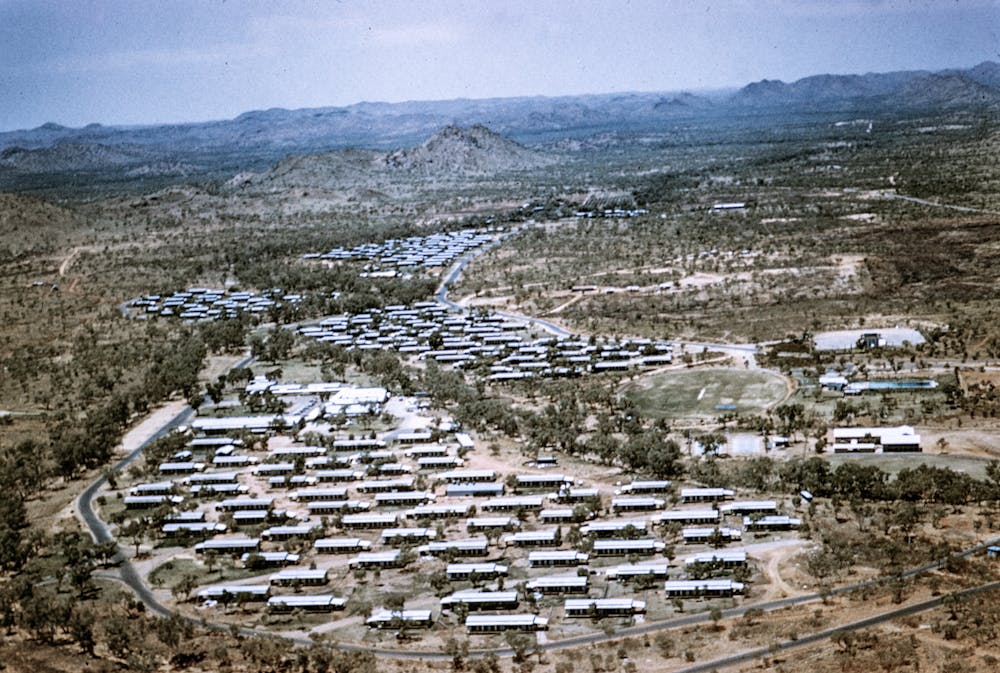 An aerial view of the Mary Kathleen township in 1960 by photographer Helen Groger-Wurm.
Noel Butlin Archives, ANU
An aerial view of the Mary Kathleen township in 1960 by photographer Helen Groger-Wurm.
Noel Butlin Archives, ANU
The WA caesium-137 capsule was discovered within two weeks of it going missing, having literally fallen off the back of a truck. But the missing Mary Kathleen uranium had been removed from the processing plant over a 12-month period, starting in 1977.
In other words, when the theft was discovered, it had been missing for three years.
Its absence was not discovered through regular checks or an audit, but because the employee who stole it tried to sell the yellow cake to a scrap merchant in Sydney.
We were very lucky this scrap dealer went to the police. The resulting police investigation provided further details. The employee had been removing uranium oxide from the processing plant between April 1977 and July 1978. The employee had filled six drums, then sent them to Sydney.
The man was found guilty of theft from a workplace, and sentenced to five years’ prison in 1981.
Aghast at loss of radioactive material
Unlike caesium-137, yellow cake is not especially radioactive. The danger lies in this material being transferred into the hands of rogue states or terrorist groups, where it could be further refined and used for a nuclear weapon or a dirty bomb. The first report of the Fox Inquiry into uranium mining at the Ranger mine had specifically warned of the dangers of theft.
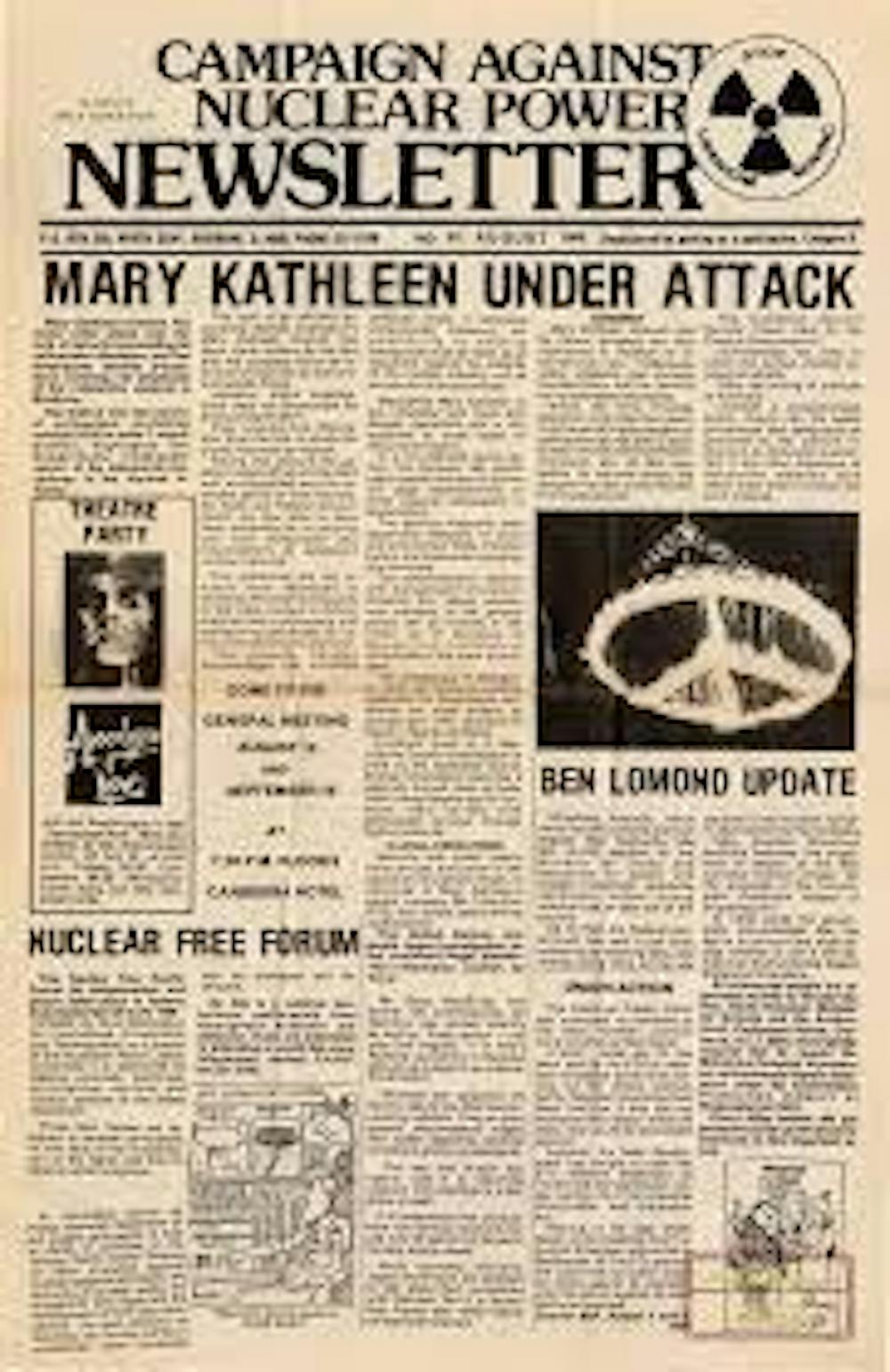 Campaign Against Power
The Mary Kathleen case entered the fraught uranium mining debates in the mid- to late 1970s. This debate split the labour movement and led to lengthy and protracted discussions in the Australian Labor Party about how they might handle uranium mining and export.
Environmental groups and peace activists were aghast that such a large amount of material could go missing and was only found when it was presented for illicit sale.
This was the not the first time the Queensland uranium mining town had a global impact. In 1975 and 1976, unions in Mount Isa and Townsville were increasingly active at Mary Kathleen. The Railway and the Seaman’s Union placed a ban on some material being transported from the township on the basis of concerns for worker health and safety.
It was in this industrial relations climate that a 200-page document was removed from the site and mailed to an environmental group in Sydney, Friends of the Earth.
These documents, made public in August 1976, sensationally revealed the existence of a global price-fixing cartel which had been operating for at least two years. Westinghouse, a US company, had been building civilian nuclear reactors since 1957 and was a major buyer of uranium oxide. Westinghouse and other US companies initiated a series of court cases in the US that led to the breakup of the cartel, forcing the owners of Mary Kathleen to pay extensive compensation.
Read more:
Expensive, dirty and dangerous: why we must fight miners' push to fast-track uranium mines
Theft and security in the nuclear industry
Long after Mary Kathleen closed in 1982, the industry is still plagued by thefts or supply chain security issues. In 2013, the Smithsonian magazine estimated there had been “419 cases of smuggled or stolen nuclear materials worldwide” since 1993 alone, including reports radioactive material was stolen from the stricken Chernobyl reactors.
Campaign Against Power
The Mary Kathleen case entered the fraught uranium mining debates in the mid- to late 1970s. This debate split the labour movement and led to lengthy and protracted discussions in the Australian Labor Party about how they might handle uranium mining and export.
Environmental groups and peace activists were aghast that such a large amount of material could go missing and was only found when it was presented for illicit sale.
This was the not the first time the Queensland uranium mining town had a global impact. In 1975 and 1976, unions in Mount Isa and Townsville were increasingly active at Mary Kathleen. The Railway and the Seaman’s Union placed a ban on some material being transported from the township on the basis of concerns for worker health and safety.
It was in this industrial relations climate that a 200-page document was removed from the site and mailed to an environmental group in Sydney, Friends of the Earth.
These documents, made public in August 1976, sensationally revealed the existence of a global price-fixing cartel which had been operating for at least two years. Westinghouse, a US company, had been building civilian nuclear reactors since 1957 and was a major buyer of uranium oxide. Westinghouse and other US companies initiated a series of court cases in the US that led to the breakup of the cartel, forcing the owners of Mary Kathleen to pay extensive compensation.
Read more:
Expensive, dirty and dangerous: why we must fight miners' push to fast-track uranium mines
Theft and security in the nuclear industry
Long after Mary Kathleen closed in 1982, the industry is still plagued by thefts or supply chain security issues. In 2013, the Smithsonian magazine estimated there had been “419 cases of smuggled or stolen nuclear materials worldwide” since 1993 alone, including reports radioactive material was stolen from the stricken Chernobyl reactors.
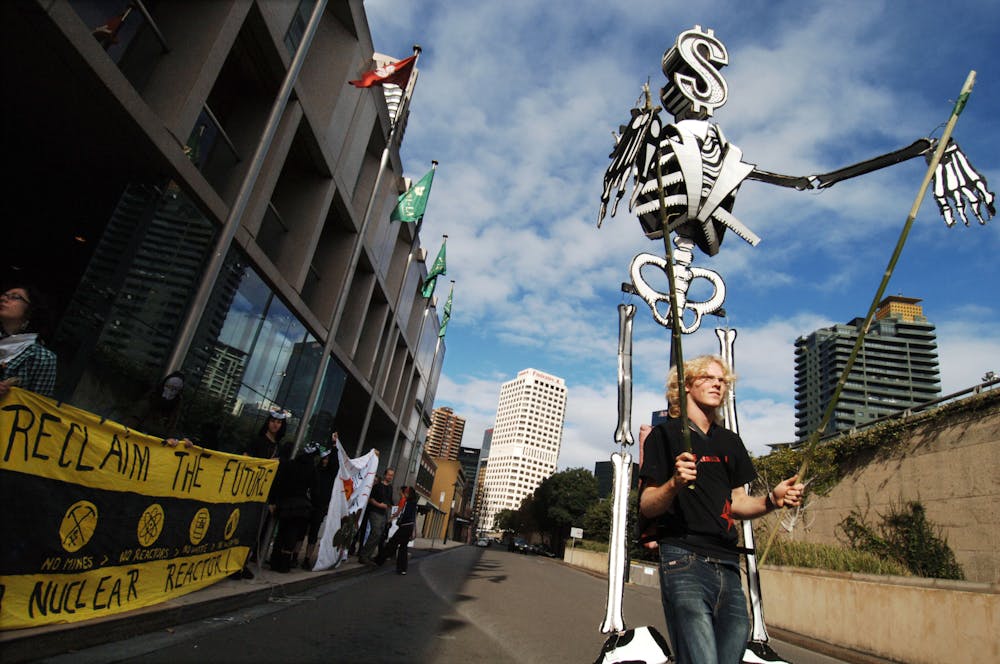 Anti-nuclear activists protest outside the annual general meeting for Energy Resources of Australia, who runs the Ranger Uranium mine.
Dean Lewins/AAP
More recent reports indicate uranium oxide is being bought and sold across the Indian-Nepalese border.
The future of nuclear energy remains a hot topic for discussion. But as the Mary Kathleen theft shows, questions range beyond the safety and utility of nuclear power generation.
Even the best technology is overseen by human systems and subject to the vagaries of human behaviour. Radioactive material gets lost, or stolen, or on-sold, despite non-proliferation treaties, safeguards and industry assurances.
And the environmental legacy of uranium mining needs to be considered too. Despite a $24 million, award-winning cleanup completed in 1985, the old mine at Mary K. is still a source of environmental contamination, leaching into nearby creeks. The flooded open cut is a favourite spot for travellers, but it’s not safe to swim in or drink from.
Despite the difference in size between the tiny caesium capsule and the six drums of uranium oxide, there is one common feature in both cases: Rio Tinto and its predecessor organisation, CRA Ltd, was the company involved.
Authors: Erik Eklund, Professor of History, Australian National University
Anti-nuclear activists protest outside the annual general meeting for Energy Resources of Australia, who runs the Ranger Uranium mine.
Dean Lewins/AAP
More recent reports indicate uranium oxide is being bought and sold across the Indian-Nepalese border.
The future of nuclear energy remains a hot topic for discussion. But as the Mary Kathleen theft shows, questions range beyond the safety and utility of nuclear power generation.
Even the best technology is overseen by human systems and subject to the vagaries of human behaviour. Radioactive material gets lost, or stolen, or on-sold, despite non-proliferation treaties, safeguards and industry assurances.
And the environmental legacy of uranium mining needs to be considered too. Despite a $24 million, award-winning cleanup completed in 1985, the old mine at Mary K. is still a source of environmental contamination, leaching into nearby creeks. The flooded open cut is a favourite spot for travellers, but it’s not safe to swim in or drink from.
Despite the difference in size between the tiny caesium capsule and the six drums of uranium oxide, there is one common feature in both cases: Rio Tinto and its predecessor organisation, CRA Ltd, was the company involved.
Authors: Erik Eklund, Professor of History, Australian National University 
















