how microgrids could help keep the power on during extreme weather events
- Written by: Soheil Mohseni, Postdoctoral Research Fellow in Sustainable Energy Systems, Te Herenga Waka — Victoria University of Wellington
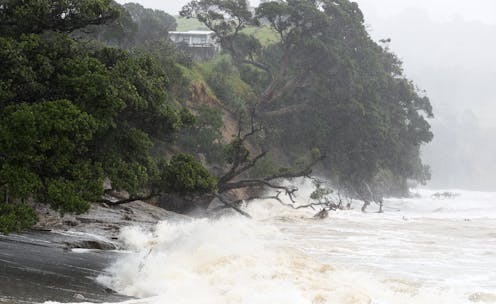
Tens of thousands of homes and businesses are left without power as Cyclone Gabrielle batters New Zealand’s North Island, causing widespread damage to the power network.
The government has declared a national state of emergency (for only the third time in New Zealand history) to coordinate efforts across the regions most affected.
The grid operator Transpower has declared a grid emergency following the loss of power in some regions, advising people “should be prepared to be without power for days to weeks, rather than hours”.
This once again emphasises the vulnerability of centralised power systems to increasingly severe weather events. It is crucial for communities to adopt more resilient energy solutions that can withstand such challenges in the face of a changing climate.
The cyclone is the second significant weather event to hit Auckland and the upper North Island in just a few weeks, following record rainfall and flooding last month.
Our research explores how renewables-based microgrids and peer-to-peer (P2P) energy trading can help mitigate these impacts and increase energy independence and security.
Read more: Microgrids: how to keep the power on when disaster hits
Vulnerability of centralised power systems
Centralised power systems rely on large power plants and transmission grids. They are susceptible to single points of failure, making them vulnerable to extreme weather events.
Cyclone Gabrielle and the recent flooding in Auckland, which both resulted in widespread power outages, are prime examples of this.
Microgrids (small collections of power-generating assets, often run by communities) and P2P energy systems hold promise for sustainable and resilient energy. Microgrids are self-sufficient and can operate independently or in conjunction with the larger grid. They can run on different types of renewable energy sources, including solar, wind and hydro power.
Microgrids are ideal for communities far from the main grid or in areas prone to extreme weather.
P2P energy systems allow individuals and communities to generate, share and trade energy among themselves. This creates a decentralised energy market and allows for more efficient energy use and distribution.
Case studies
Many microgrid and P2P energy projects across the world show the potential of these solutions. In rural India and sub-Saharan Africa, microgrids powered by solar energy provide electricity to remote communities not connected to the main power grid.
The Brooklyn Microgrid in New York City is also a shining example of a successful project. It allows residents to generate energy, share it and trade it with others in their community. This creates a more efficient and sustainable energy market.
Read more: Small communities could be buying, selling and saving money on electric power right now – here’s how
Another successful microgrid and P2P energy project can be found in the town of Rock Port, Missouri. There, a community microgrid was established after a tornado destroyed the town’s electricity infrastructure. It is powered by wind and solar and provides stable and reliable energy for the community, even during times of extreme weather.
Hurricane Maria, which devastated Puerto Rico in 2017, serves as a stark reminder of the importance of energy independence and resilience. It caused widespread destruction to the island’s energy infrastructure and left residents without power for months. In the aftermath of the storm, many communities on the island have turned to microgrids as a solution to their energy needs.
As part of its recovery following Hurricane Maria, the Puerto Rican town of Adjuntas is installing solar-based microgrids.Cost effectiveness and social acceptability
Our research shows that microgrids, both grid-connected and off-grid, can be cost effective when optimised. In Aotearoa New Zealand, they can be on par or even more cost effective than traditional power.
Our case studies from Aotea Great Barrier Island, Rakiura Stewart Island and the town of Ohakune demonstrate this.
The implementation of microgrids and P2P energy systems in these areas has the potential to improve energy resilience and save communities money in their electricity bills.
The social desirability and acceptability of these technologies are crucial factors and will determine their success and widespread adoption. Public perception can sometimes be a barrier to their implementation.
For example, microgrids often require significant amounts of land for the installation of renewable energy sources, such as solar panels or wind turbines. However, some communities may resist the development of these projects due to concerns over land use.
The visual impact on the surrounding area or the potential disruption to wildlife habitats can also be reasons for resistance.
In these cases, it is important for project developers and local authorities to engage with communities. They need to address their concerns and promote a greater understanding of these technologies and their benefits to build support for these projects.
Demonstration projects can also showcase the capabilities and benefits of microgrids and P2P energy solutions. Involving the local community in the development and ownership can increase their social acceptability.
Authors: Soheil Mohseni, Postdoctoral Research Fellow in Sustainable Energy Systems, Te Herenga Waka — Victoria University of Wellington