

We found 29 threatened species are back from the brink in Australia. Here's how
- Written by: John Woinarski, Professor of Conservation Biology, Charles Darwin University
Australia’s natural world is in deep trouble. Many of our species are getting rarer. Some are now perilously close to extinction, while entire ecosystems face collapse.
Sudden biodiversity loss in events such as the Black Summer wildfires happen against a backdrop of decline due to land clearing, introduced species and other pervasive threats. For example, Australia’s threatened bird species declined in abundance by an average of 44% from 2000 to 2016.
It is easy to lose heart – to be numbed by despair for an ever-diminishing natural world, or to dismiss our environmental laws and management as useless and broken.
But we have 29 reasons not to give up hope. Our new research has found 15 threatened mammal, eight bird, four frog, one reptile and one fish species have recovered enough that they no longer meet the criteria for listing as threatened. Our assessments were based on scrutiny of the latest data on population size and distributions – a review process that the government doesn’t routinely do.
These recoveries stem largely from years of collaborative conservation between government agencies, conservation organisations, First Nations groups and individuals.
How have these these species been brought back?
For almost all of the recovering mammals, the key threat pushing them towards extinction has been predation by feral cats and foxes. Introduced predators are the primary reason for Australia’s unenviable record for the world’s most mammal extinctions, with 33 species gone forever.
Because it’s impossible to eradicate the millions of cats and foxes across Australia, recovery of these threatened mammals has largely relied on a network of havens – islands and mainland exclosures that fence out predators. Once cats and foxes are excluded or eradicated, threatened mammals can bounce back.
Read more: The future is fenced for Australian animals
Take the burrowing bettong. If you’re like most Australians, you’ve never seen one of these. Think of it like a quokka that can burrow. They used to be almost everywhere. Some early colonists complained of falling through burrow after burrow. But by the 1950s, they were eradicated from the entire mainland, eaten by cats and foxes.
By luck, they survived on four islands off Western Australia, out of reach of introduced predators. Over the past two decades, conservationists have transferred some of these bettongs to more islands and to five large fenced havens on the mainland. Safe at last, their populations have been increasing.
Even so, their population and range is a minute fraction of what they were before colonisation. That means the vital ecological functions they provided by turning over vast volumes of soil are still missing from much of the continent.
Islands have played a major role in both losses and recoveries. Losses because islands have endemic species particularly vulnerable to introduced species, and recoveries because threats can be more readily eradicated from islands.
For example, the threatened blue petrel has recovered strongly after cats, rabbits and rodents were eradicated from the sub-Antarctic Australian territory, Macquarie Island.
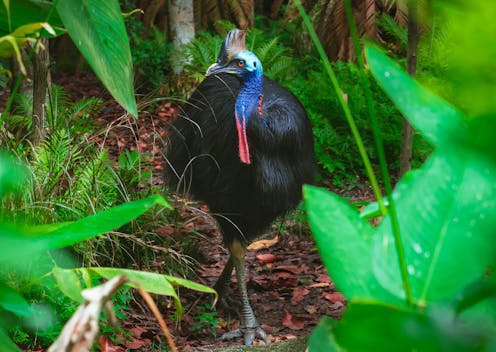
Other recoveries, such as that of the southern cassowary, are due to strategic establishment of conservation reserves, and constraints on land clearing in localised areas. Laws matter too – the humpback whale has recovered due to national and international laws banning its hunting.
Read more: 1.7 million foxes, 300 million native animals killed every year: now we know the damage foxes wreak
Are there common characteristics in these recoveries?
We found recoveries were mostly for mammals and birds, with few improvements for other groups.
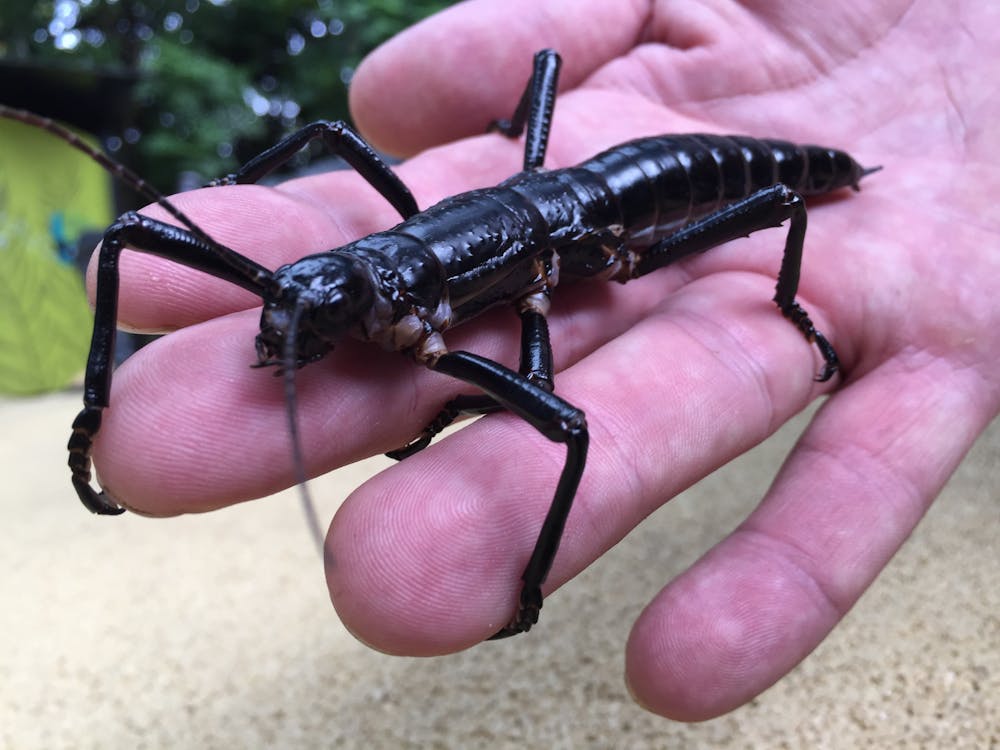
No invertebrates have recovered enough yet to be taken off the list – possibly because these often-overlooked creatures get little conservation funding.
Similarly, threatened fish have mostly not recovered. That’s because we have limited ability to stop the impact of introduced fish, as well as the ongoing exploitation of our waters.
There has also been little success for the many species mostly affected by timber harvesting, broad-scale land clearing, fire and climate change.
Some recoveries are enigmatic. Take the iconic Gouldian finch, now more common than it was 20 years ago. In some areas, better management of fire and livestock has helped, but that’s not a full explanation. It may simply have learned or evolved to better fit into the human-modified natural world.
Assessing trends for Australia’s threatened species is difficult, because many are not or inadequately monitored . In many cases, we don’t know whether conservation efforts are working, or whether the species are sliding ever more rapidly into extinction.
The status of many species listed as threatened under Australia’s Environment Protection and Biodiversity Conservation Act has been little scrutinised since their initial listing - unlike in the United States, where law requires periodic review of the status of its threatened species.
Our threatened invertebrates are especially poorly tracked – the legacy of the longstanding bias in conservation management and public sentiment towards more iconic species at the expense of the little known and less charismatic. Many invertebrates that are in danger of extinction are not even listed as threatened.
Almost all the 29 species we consider to have recovered have not yet been officially taken off the list of threatened species. Recognising these recoveries is important – these cases merit celebration, and we should try to apply the lessons learned to other threatened species.
Of course, these improvements in status doesn’t mean they’re safe forever. If conservation efforts stop, most of these species would slip rapidly back into danger.
The recovery we document has been a hard journey, marked by vision, committed management, and continuous significant funding. Recovery requires a long-term commitment – markedly different to the short-term and sporadic conservation funding typically allocated by most governments.
Yes, the natural world is falling apart around us. But we do not have to passively accept such collapse. We can stop at least some of these losses. We can make a difference.
Read more: So you want to cat-proof a bettong: how living with predators could help native species survive
Authors: John Woinarski, Professor of Conservation Biology, Charles Darwin University


















