

Mapping Iran's biodiversity hotspots to create new protected areas covering 20% of the landscape
- Written by: April Reside, Lecturer, The University of Queensland
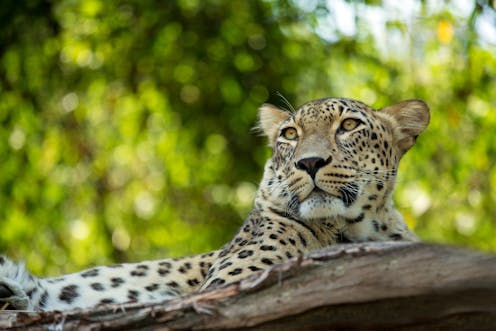
Iran’s ancient forests, rugged mountains, vast deserts and captivating coasts are rich in biodiversity, including animals found nowhere else on Earth. But many of these precious areas are not formally protected from development, potentially endangering the species that live there.
Fortunately, the Iranian government has committed to expanding the network of protected areas to cover 20% of the land. That is a substantial increase from the existing approximately 11% in conservation reserves.
Our new research pinpoints those areas where threatened species are most in need of conservation.
We hope this will help guide decision-making to maximise the number of species protected for generations to come.
Honing in on hotspots for conservation
Visitors to Iran can experience all four seasons at any time of year, from summer in the southern and northern parts of the country by the sea (the Caspian Sea in the north and the Persian Gulf in south), to winter in the snowy mountains of the west.
The variable climate and topography has given rise to a wide variety of plants and animals, such that every corner of the country has outstanding global value.
However, land-use change has contributed to biodiversity decline throughout the broader region, driving the fragmentation and loss of habitat. While 80% of the land in Iran is covered by natural ecosystems, many of these remain unprotected.
These include two of the world’s biologically richest, but highly threatened, areas: more than half of the Irano-Anatolian and around 10% of the Caucasus biodiversity hotspots.
To identify the areas most in need of protection we:
used maps of internationally listed threatened species found in Iran, placing highest importance on those that breed in Iran, or only occur there
identified which species already had some level of protection, within Iran’s existing national parks and other protected areas, which currently cover 11% of the land
accounted for human population density, to avoid urban areas when establishing new protected areas.
From there, we determined which areas are the most important to protect those species not already represented in existing protected areas.
A wealth of wildlife worth protecting
Regions in the north, northwest and west of the country consistently ranked highest on the need for urgent conservation action. These areas complement the existing protected areas by protecting species that are currently falling through the gaps.
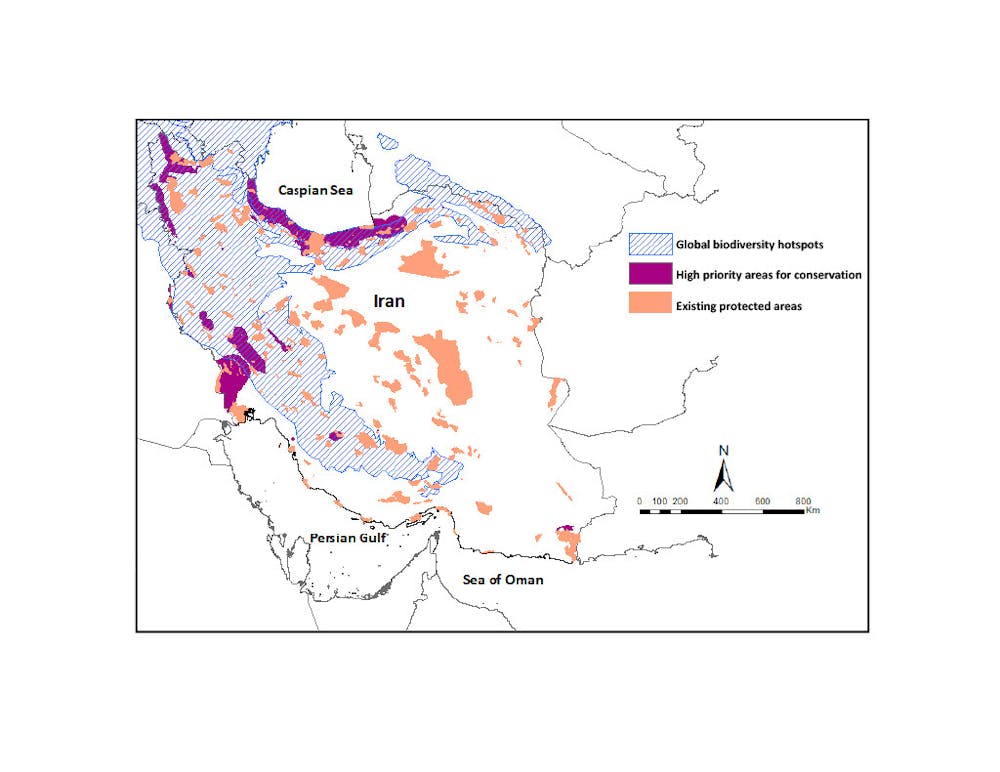
The high-priority areas were globally important ecoregions, including the ancient Caspian Hyrcanian forests in the north, which remain from the Quaternary glaciations that began 2.58 million years ago.
The mixture of mountain and lowland forests next to the Caspian Sea covers 7% of Iran, yet is home to 44% of Iran’s plants, 180 species of birds, and 58 mammal species. Iconic species found here include Persian leopards (Panthera pardus), Asiatic cheetahs (Acinonyx jubatus), and the endemic critically endangered Gorgan mountain salamanders (Paradactylodon gorganensis).
Coastal areas north of the Caspian Sea provide habitat for migratory birds wintering in wetlands and aquatic ecosystems, including the endangered white-headed duck (Oxyura leucocephala), critically endangered Siberian crane, and critically endangered fish species such as Persian sturgeon (Acipenser persicus) and great sturgeon (Huso huso). Elburz Range Forest Steppes provide habitat for the endemic endangered Latifi viper (Montrivipera latifi).
The northwest came out as a high priority for its wetland species found nowhere else, including vulnerable bird species such as marbled teal (Marmaronetta angustirostris), lesser white-fronted goose (Anser erythropus), and dalmatian pelican (Pelecanus crispus).
In contrast, the South Iran Nubo-Sindian desert and semi-desert regions were important for the many threatened species that occur there, such as the critically endangered black bears (Ursus thibetanus) and vulnerable mugger crocodiles (Crocodylus palustris).
The Persian desert basins in the centre of Iran provide habitat for iconic species such as the critically endangered Asiatic wild ass (Equus hemionus) and the Asiatic cheetahs (Acinonyx jubatus) in their central home range.
The endangered saker falcon, one of the largest of its kind, is threatened by illegal and tourism hunting, and needs protection across Iran.
Different levels of protection
We also assessed how different levels of protection could benefit our target threatened species in an expanded protected area network.
If 20% of the country is protected, more than 70% of the distribution of fish, amphibians, reptiles and endemic birds would be protected, and up to 45% of all birds and mammals. This demonstrates that it is particularly important to protect birds and mammals in those parts of their distribution that fall within high ranked areas.
Expanding the protected area in Iran from the current 11% to 20% would make a big difference to the variety of wildlife included.
Deciding exactly which areas to protect will make a big difference when it comes to how many species are conserved, or left behind. Furthermore, species’ conservation outside national parks and other protected areas is also crucial.
Iran has already lost two of its iconic big cat species: the Caspian tiger in the north and Persian lion in the south, to development and hunting.
Without recognising the areas of greatest importance for conservation, we stand to lose representative ecosystems of global ecoregions and their unique fauna, forever if we fail to protect these areas.
The author would like to acknowledge the contributions of Azadeh Karimi of Ferdowsi University of Mashhad (Iran), and Hossein Yazdandad of Tarbiat Modares University (Iran), who led the research and without whom this article would not have been possible.
Read more: National parks are not enough – we need landholders to protect threatened species on their property
Authors: April Reside, Lecturer, The University of Queensland


















