

Christopher Hitchens was a model of the public intellectual as celebrity. Could he really be the saviour of the Left?
- Written by: Brendon O'Connor, Professor in U.S. Politics and U.S. Foreign Relations at the United States Studies Centre and in the Discipline of Government and International Relations, University of Sydney
Future generations are very unlikely to credit Christopher Hitchens with saving the Left. Nor is he likely to be remembered as a great essayist like his long-time hero George Orwell, or even H.L. Mencken, after whom he named his 20-year column for The Nation magazine.
The reason Hitchens is likely to fade from public consciousness, despite his impressive wit and intellectual range, is that he undermined his reputation by loudly and callously supporting the 2003 invasion and occupation of Iraq. Other talented journalists of Hitchens’ era – Peter Beinart and George Packer – got Iraq wrong and admitted their mistake. Hitchens never did.
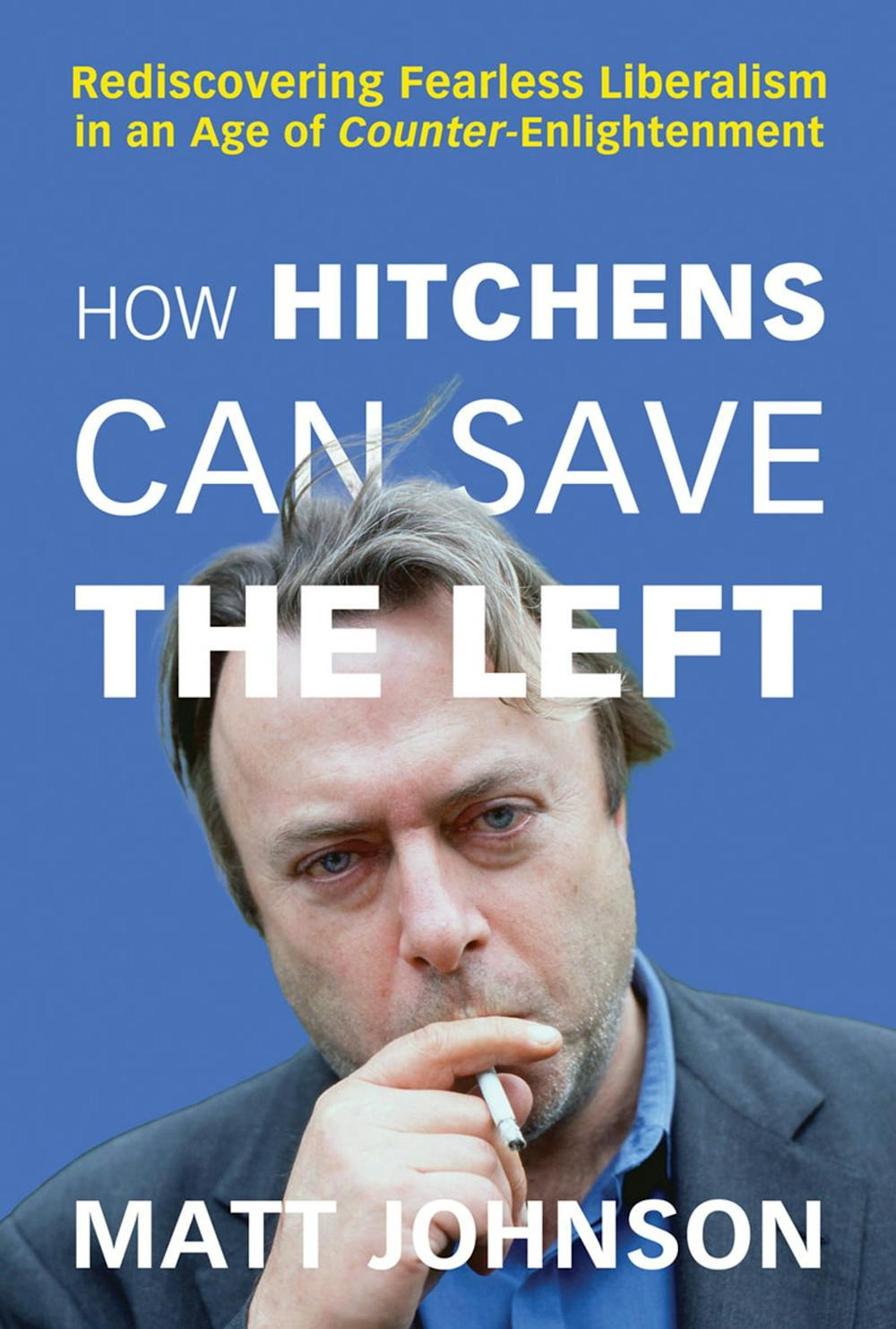
Review: How Hitchens Can Save the Left: Rediscovering Fearless Liberalism in an Age of Counter-Enlightenment – Matt Johnson (Pitchstone Publishing).
In his new book, Matt Johnson offers a defence of Hitchens’ support for the wars in Iraq and Afghanistan, which he interprets as evidence of Hitchens’ anti-authoritarianism and universalism. He goes on to argue that anti-authoritarianism, universalism and free speech are the values the contemporary Left should organise itself around.
 Unfortunately, Johnson’s hagiographic and overly earnest book fails to recognise that Hitchens the character is far more interesting than his politics.
The idea of writers and intellectuals as celebrities has a particularly Anglo-American history to it. Arguably the original intellectual celebrity was Charles Dickens, who on his 1842 tour of the United States had celebrity forced upon him by adoring readers, including those who snipped at his hair for keepsakes. Oscar Wilde, who has been called the first countercultural celebrity, courted fame on his 1882 lecture tour of America.
Hitchens arrived in the US from the UK in 1981 to work for The Nation and make a name for himself. David Corn, who shared a Manhattan office with him in the early 1980s, recalls that Hitchens’ schedule of socialising and reading was prodigious. To those born into the internet age, it is hard to convey how important small magazines like the Nation were at providing critical perspectives on current events; I went to the library for many years to read copies of The Nation, which took weeks to arrive in the Antipodes from America.
How Hitchens Can Save the Left would be better titled “How I will save Hitchens for the Left”. Matt Johnson presents far too little of the radical and mischievous Hitchens. Instead, we are presented with a principled Hitchens, who argued for liberal causes in a high minded and consistent fashion.
Johnson spends most of the book trying to show that Hitchens’ support for the Iraq war was based on longstanding and important liberal principles and causes. He suggests that Hitchens’ arguments for invading and occupying Iraq – a brutal military affair – can be traced back to his disgust at the fatwa placed on Salman Rushdie in 1989 and his commitment to absolute free speech.
For those unfamiliar with the debate around the Rushdie affair, Johnson provides an overview of the points of conflict. He moves on to suggest that Hitchens’ support for “humanitarian intervention” by the US military in the 1990s – first to support the Bosnians and later the Kurds – provided an intellectual basis for his support for the 2003 Iraq war.
These arguments are not convincing. A passionate dislike of the Iranian regime and Islamic fundamentalism might lead you to endorse the assassination of Osama bin Laden, and even to argue that the US military should be deployed to defeat al-Qaeda and the Taliban. But Hitchens’ opposition to radical Islam certainly did not justify invading Iraq. Providing the Kurds self-determination was not the reason why the Bush administration invaded Iraq, nor was it a central concern during the long occupation. Hitchens had plenty of opportunity to see this, yet he refused to renounce his support.
What kind of Hitchens is left for those who admired his early writings, but despaired at his support for the Iraq war? Looking back, his greatest legacy was his talent for making ideas, radical politics and books seem urgent and vital. He made it seem as if these things were more important than nearly everything else in life.
His wit and talent for self-promotion, his eye for controversy, his roguishness, and his ability to give the impression that he that he had read all the interesting books and had spoken over drinks to the most insightful dissenting insiders made him a leading public figure of the Left, broadly understood, in the 20th century. That is the Hitchens whom Conor Oberst rightly sings about missing.
But then came the celebrity Hitchens, who inserted himself in the Clinton impeachment trial. And then, more shamefully, there was the callow war-movie Hitchens, who cheered the US military’s bombing of Fallujah in 2004 that led to thousands of civilians being killed. That 21st century Hitchens is not going to save the Left. The last manifestation of Christopher Hitchens reminds us that the search for more and more media attention can turn a once interesting butterfly back into a slug.
Authors: Brendon O'Connor, Professor in U.S. Politics and U.S. Foreign Relations at the United States Studies Centre and in the Discipline of Government and International Relations, University of Sydney
Unfortunately, Johnson’s hagiographic and overly earnest book fails to recognise that Hitchens the character is far more interesting than his politics.
The idea of writers and intellectuals as celebrities has a particularly Anglo-American history to it. Arguably the original intellectual celebrity was Charles Dickens, who on his 1842 tour of the United States had celebrity forced upon him by adoring readers, including those who snipped at his hair for keepsakes. Oscar Wilde, who has been called the first countercultural celebrity, courted fame on his 1882 lecture tour of America.
Hitchens arrived in the US from the UK in 1981 to work for The Nation and make a name for himself. David Corn, who shared a Manhattan office with him in the early 1980s, recalls that Hitchens’ schedule of socialising and reading was prodigious. To those born into the internet age, it is hard to convey how important small magazines like the Nation were at providing critical perspectives on current events; I went to the library for many years to read copies of The Nation, which took weeks to arrive in the Antipodes from America.
How Hitchens Can Save the Left would be better titled “How I will save Hitchens for the Left”. Matt Johnson presents far too little of the radical and mischievous Hitchens. Instead, we are presented with a principled Hitchens, who argued for liberal causes in a high minded and consistent fashion.
Johnson spends most of the book trying to show that Hitchens’ support for the Iraq war was based on longstanding and important liberal principles and causes. He suggests that Hitchens’ arguments for invading and occupying Iraq – a brutal military affair – can be traced back to his disgust at the fatwa placed on Salman Rushdie in 1989 and his commitment to absolute free speech.
For those unfamiliar with the debate around the Rushdie affair, Johnson provides an overview of the points of conflict. He moves on to suggest that Hitchens’ support for “humanitarian intervention” by the US military in the 1990s – first to support the Bosnians and later the Kurds – provided an intellectual basis for his support for the 2003 Iraq war.
These arguments are not convincing. A passionate dislike of the Iranian regime and Islamic fundamentalism might lead you to endorse the assassination of Osama bin Laden, and even to argue that the US military should be deployed to defeat al-Qaeda and the Taliban. But Hitchens’ opposition to radical Islam certainly did not justify invading Iraq. Providing the Kurds self-determination was not the reason why the Bush administration invaded Iraq, nor was it a central concern during the long occupation. Hitchens had plenty of opportunity to see this, yet he refused to renounce his support.
What kind of Hitchens is left for those who admired his early writings, but despaired at his support for the Iraq war? Looking back, his greatest legacy was his talent for making ideas, radical politics and books seem urgent and vital. He made it seem as if these things were more important than nearly everything else in life.
His wit and talent for self-promotion, his eye for controversy, his roguishness, and his ability to give the impression that he that he had read all the interesting books and had spoken over drinks to the most insightful dissenting insiders made him a leading public figure of the Left, broadly understood, in the 20th century. That is the Hitchens whom Conor Oberst rightly sings about missing.
But then came the celebrity Hitchens, who inserted himself in the Clinton impeachment trial. And then, more shamefully, there was the callow war-movie Hitchens, who cheered the US military’s bombing of Fallujah in 2004 that led to thousands of civilians being killed. That 21st century Hitchens is not going to save the Left. The last manifestation of Christopher Hitchens reminds us that the search for more and more media attention can turn a once interesting butterfly back into a slug.
Authors: Brendon O'Connor, Professor in U.S. Politics and U.S. Foreign Relations at the United States Studies Centre and in the Discipline of Government and International Relations, University of Sydney 
















