

Yes, we see you. Why a national plan for homelessness must make thousands of children on their own a priority
- Written by: Catherine Robinson, Associate Professor in Housing and Communities, University of Tasmania
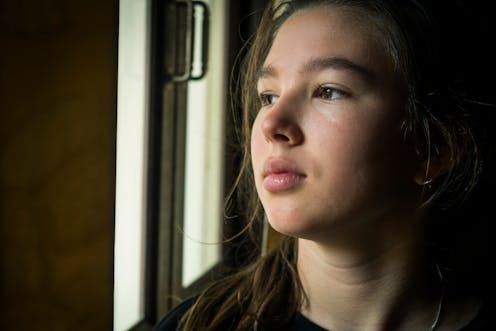
Thousands of children end up being homeless in Australia without a parent or guardian. In 2021-22, 12,812 children (aged 10-17) were on their own when they sought help from homelessness services, according to Specialist Homelessness Services Collection data. And that’s just the ones who had the knowledge and capacity to contact a service.
The true number of children who are homeless and on their own is sure to be higher. In any given town, community and neighbourhood there will be children, sometimes as young as 10, who are surviving without the effective care and protection of parents or guardians.
These kids have nowhere safe and stable to call home. They may sleep rough, couch surf with extended family, friends and acquaintances, or turn to specialist homelessness services – mostly providers of short-term accommodation.
Because of their young age and lack of support, it’s likely they won’t have enough money. They will struggle to attend school regularly and get health care. They have limited access to the places and services that offer care and safety at the very time they are likely to be experiencing poor sleep and nutrition, psychological distress and violent victimisation.
Read more: Insecure housing and overcrowding risk children's health. But we've found a way to help
Given the impacts being alone and homeless can have on a developing child, the Australian government’s new National Housing and Homelessness Plan should provide much-needed recognition of these children. Distressingly, they are yet to appear as a priority group in early discussion of the plan.
There is a need for a clear national signal that unaccompanied children’s experiences of homelessness matter and are solvable. The plan could offer a strategic vision and target the resources needed to end their homelessness. Otherwise, the risk is they will continue to fall through the cracks in state and territory services.
How do kids end up homeless and alone?
Children end up homeless and alone because of a lack of effective care and guardianship by families, or by state governments that are charged with stepping up into a “parental” role when needed. Many factors can affect these children’s routes into and through homelessness. Family violence, abuse, neglect and a lack of government-provided care and protection all feature in their stories.
To make matters even worse, these children’s lack of an effective guardian and transport options makes it hard for them to access traditional health, education and support services. These often require active caregiver involvement and stable housing. Unaccompanied homeless children can be seen as “too hard” and “too risky” to work with – especially those who are struggling with their mental health.
Isn’t this a child protection problem?
Child protection services are not universally available for all children who experience abuse, neglect and family breakdown. Despite broad legislation, children’s experiences of unaccompanied homelessness may not in practice meet the high threshold for triggering the legal processes for providing temporary or long-term care.
These children consistently go to homelessness services because they’re easier to access than child protection services. The problem is there is no clear child homelessness service system. It’s long been assumed homeless children are with their parents – “family homelessness” – or are “homeless youth” aged 16-25.
Youth homelessness services have historically been designed to help young people transition into independent living. They are not set up to support children on their own, resolve guardianship issues and provide ongoing therapeutic residential care.
These children can flounder in youth services not designed or regulated for them. This entrenches the issues they already face.
Read more: 6 steps towards remaking the homelessness system so it works for young people
These children are everybody’s business
It’s well established in federal policy that the protection, care and support of Australia’s children is everybody’s business. Yet children who end up homeless on their own can end up being nobody’s business.
There is no lead government agency held responsible and accountable for their care. The homelessness sector in particular is left to look after kids without the legal authority to do so.
Ending these children’s homelessness looks different to ending adult homelessness or solving the housing crisis. It requires a suite of responses. These range from preventive family support and education-based screening to intensive, long-term, holistic care.
Read more: Youth homelessness efforts get a lowly 2 stars from national report card
Homelessness services already play a crucial role in delivering targeted care for these children. However, this is being done unevenly across states and territories. Most often it’s in the context of services for older youth.
Peak bodies and services are calling for change. Clear national policy is needed to acknowledge the unique nature of unaccompanied child homelessness and the role and cost for the homelessness sector in continuing to respond.
Let’s not spend another ten years looking away from children who uncomfortably cross department, program and service boundaries. The National Housing and Homelessness Plan offers an opportunity to look straight into the eyes of these children and the professionals who work with them and say yes, we see you.
Authors: Catherine Robinson, Associate Professor in Housing and Communities, University of Tasmania


















