

Is 'climate anxiety' a clinical diagnosis? Should it be?
- Written by: Fiona Charlson, Conjoint NHMRC Early Career Fellow, The University of Queensland
Last week the Intergovernmental Panel on Climate Change, comprised of the world’s most esteemed climate experts, delivered its sixth report and “final warning” about the climate crisis. It outlined several mental health challenges associated with increasing temperatures, trauma from extreme events, and loss of livelihoods and culture.
The report followed news that the jail sentence for a climate protester who blocked the Sydney Harbour Bridge had been quashed by a judge, who noted she’d been diagnosed with climate anxiety.
But what is “climate anxiety”? Is it a normal emotional response to a real and imminent threat? Or is it a condition that could require clinical treatment?
A sense of panic, worry and fear
As people become increasingly affected by climate-related events, many may find themselves feeling anxious, angry and sad about the state of the planet.
“Climate anxiety” describes a sense of panic, worry and fear towards the consequences and uncertainty brought by climate change. The term “climate anxiety” is sometimes used interchangeably with “eco-anxiety”, which some health professionals and researchers refer to as anxiety felt about wider ecological issues. Researchers suggest climate anxiety can be shaped by our environments. For example, the type of media we see about climate change, how the people around us feel, or how our communities and governments are responding.
Research shows climate anxiety is felt around the world, especially among young people.
However, climate anxiety is not officially recognised as a condition or a mental health disorder in the diagnostic manuals relied upon by psychologists, psychiatrists and other health professionals. In fact, many researchers and health professionals warn against medicalising this understandable and expected response.
Read more: Ten years to 1.5°C: how climate anxiety is affecting young people around the world – podcast
Natural responses to danger
We know anxiety is an in-built natural reaction when we feel in danger. Such feelings prompt us to prepare for and reduce threats to our wellbeing and safety.
For example, anxiety might help us when we encounter an animal in the wild, but it can also help us prepare for a difficult exam.
The findings of the latest climate report indicate humans have a lot to prepare for and act on, if we are to reduce the threats of climate change. To some extent, humans need to experience some levels of climate anxiety in order to prompt the changes that we need for a sustainable future.
But anxiety can become overwhelming and appropriately diagnosed as a clinical anxiety disorder. In the Diagnostic and Statistical Manual of Mental Health Disorders (DSM-5), anxiety disorders are marked by anxiety that is persistent, excessive and usually out of proportion to the threat.
Research shows climate anxiety can affect people’s ability to go to work or study, concentrate, sleep, or even enjoy time with their friends and family.
The challenge for health professionals is whether climate anxiety can be deemed persistent or excessive, given the nature of climate change. Whether or not climate anxiety is currently seen as a clinical diagnosis, there is a clear need to support the people that experience it.
Read more: Friday essay: how many climate crisis books will it take to save the planet?
Channelling climate anxiety for good
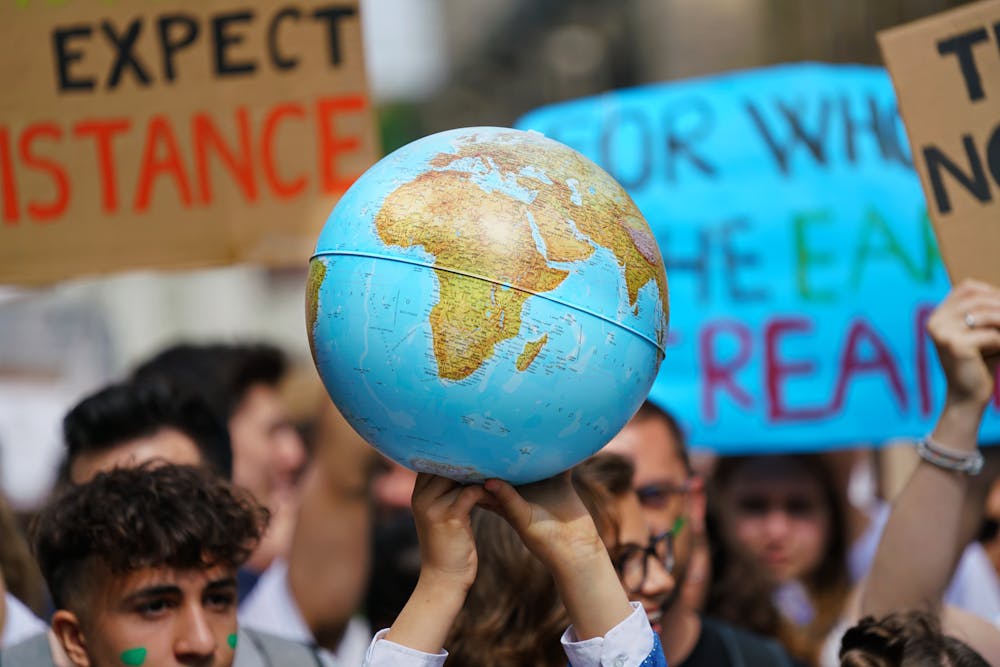
While climate anxiety can have a negative impact on mental wellbeing, research findings from 32 countries have shown that some people may be channelling their climate anxiety in ways to help the environment, such as through pro-environmental behaviours and environmental activism, such as climate protests.
Australian data shows experiencing “eco-anger” – which refers to anger or frustration about ecological issues – leads to better mental health outcomes and is a key adaptive emotional driver of engagement with the climate crisis.
But more intense experiences of frustration and anger in relation to climate change are associated with greater attempts to take personal actions to address the issue. This suggests getting angry may help prompt some people to do something about climate change.
Read more: You're not the only one feeling helpless. Eco-anxiety can reach far beyond bushfire communities
Staying grounded
In the absence of official diagnoses or recognised treatments, collective action against climate change may therefore be an effective solution to climate anxiety.
And there are other things people can do to manage climate anxiety. While further research is needed to find the most effective strategies for climate anxiety, health professionals suggest:
- spending time in nature
- learning ways to ground yourself during distressing emotions
- seeking support
- taking breaks to prevent burnout
- taking small everyday actions for self-care.
Small actions to help the planet might also help foster feelings of agency and wellbeing.
When climate anxiety veers into overwhelming or unhelpful territory, seeking support from a “climate-aware” health professional can be an important step to take.
If this article has raised issues for you, or if you’re concerned about someone you know, call Lifeline on 13 11 14.
Authors: Fiona Charlson, Conjoint NHMRC Early Career Fellow, The University of Queensland
Read more https://theconversation.com/is-climate-anxiety-a-clinical-diagnosis-should-it-be-202232


















