

Australia's safeguard mechanism deal is only a half-win for the Greens, and for the climate
- Written by: Kate Crowley, Adjunct Associate Professor, Public and Environmental Policy, University of Tasmania
Labor and the Greens on Monday announced a deal to strengthen a key climate policy, the safeguard mechanism, by introducing a hard cap on industrial sector emissions.
But the Greens failed in their bid to force Labor to ban new coal and gas projects.
Labor did give ground in setting a hard cap on emissions which should – if it works – make many new fossil fuel projects unviable.
This isn’t the end of the climate wars – but the politics are changing. Denial and inaction are over. Now we’re seeing a tussle between the urgency of the Greens, Teals who want to ban fossil fuels and the Labor government as it balances demands from industry, climate voters and the unions.
All the while, our carbon budget is shrinking and the time available to act on climate change is disappearing.
How did we get here?
In May last year, the Coalition government lost office after almost a decade of climate policy failures.
Labor won government. But the balance of power changed in other ways too. Seven Climate 200-backed Teal independent MPs were elected. The Greens had a record four members elected to the House of Representatives and gained the balance of power in the Senate.
Labor immediately set a new goal of cutting emissions 43% by the end of the decade. To do it, they pledged to strengthen the Coalition’s questionable safeguard mechanism. This scheme’s emissions allowances had been set too high, and there were too many exemptions, meaning it wouldn’t have cut the promised 200 million tonnes of emissions by 2030.
Labor promised to fix these problems. The Greens and Teals were extremely sceptical. The resulting negotiations have lasted months, and left many disillusioned about how ambitious Labor will really be on climate.
But we do have something. Yesterday, a deal was announced and Labor’s reformed plan passed the lower house en route to the Senate. The Liberal and National parties voted against the reforms, even though it is their own – indeed their only – climate policy.
Were the negotiations worth it?
Hopefully. But it hasn’t been smooth sailing to secure Green and Teal support.
From the outset the Greens tried to drive a hard bargain by seeking an end to all new coal and gas projects. This, the government made clear, was not going to happen, and it didn’t.
Relations deteriorated rapidly as the government looked set to keep backing new coal and gas projects. Even so, the Greens kept negotiating. This produced an early win – the government ruled out using its new A$15 billion National Reconstruction Fund to invest in coal, gas or logging native forests.
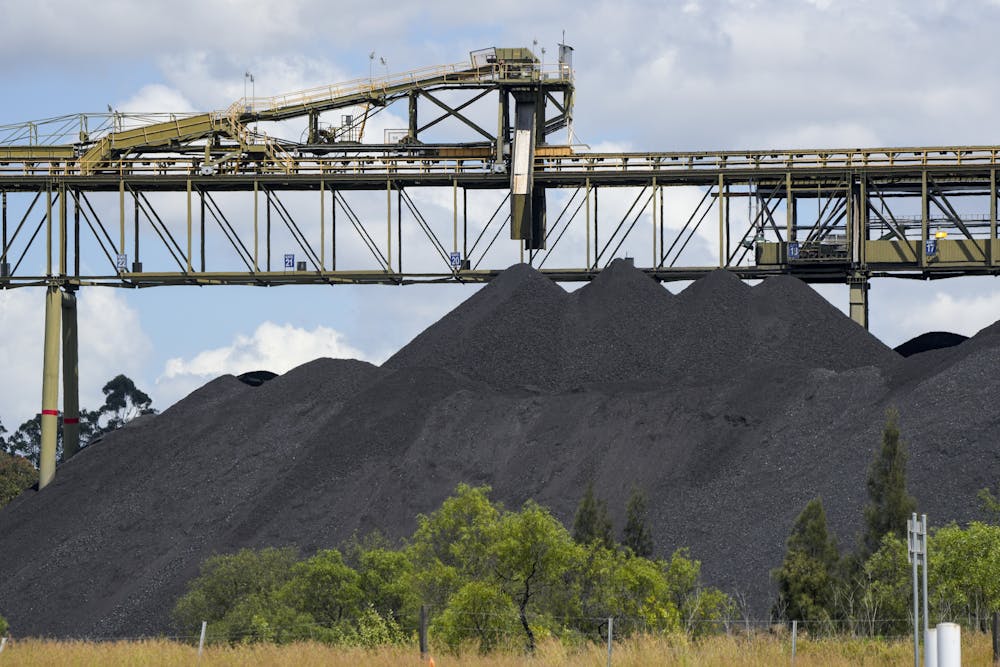
Labor did not give ground on no new coal and gas. But the Greens did secure a legislated cap on the total industrial emissions covered by Australia’s 215 largest polluters covered by the safeguard mechanism – essentially, fossil fuel industries and manufacturers.
Greens leader Adam Bandt says the cap will mean only half of the 116 proposed coal and gas projects can proceed. But this isn’t guaranteed. Some projects would not have been viable regardless. And laws can be readily changed.
It remains to be seen how the concessions won by the Greens will work in practice.
What about the Teals?
The Teals have been less visible in this process, but they haven’t been sitting idle. Both the Teal independents and independent senator David Pocock have called for an absolute cap on industrial emissions.
Indeed, founding Teal Zali Steggall was the first to call for a UK-style “climate budget”, which proved palatable for that country’s conservative government.
Besides an emission cap, the Teals have called for restraint around the use of offsets and increased legitimacy on the use of controversial carbon offsets to ensure emissions are actually cut, not just offset. They advocate stronger oversight by the Climate Change Authority and other regulators.
Teal Sophie Scamps has proposed a means of ending the revolving door between the fossil fuel industry and government positions which influence government’s climate policy.
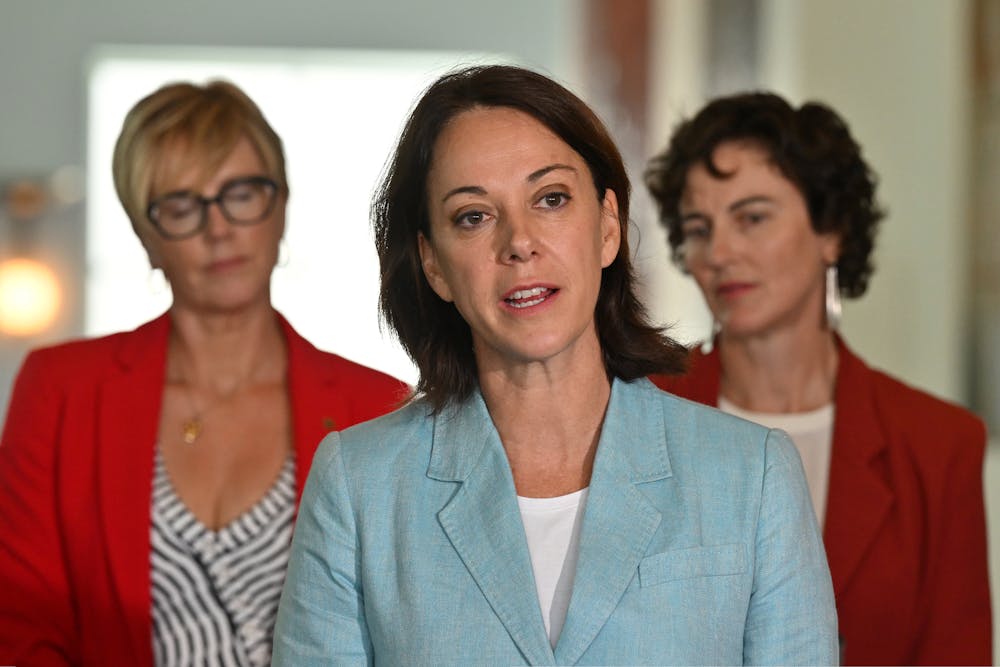 Teals like Sophie Scamps pressed for an end to the revolving door between fossil fuels and politics.
Mick Tsikas/AAP
Teals like Sophie Scamps pressed for an end to the revolving door between fossil fuels and politics.
Mick Tsikas/AAP
Teal Kylea Tink proposes expanding the safeguard mechanism to cover more of the economy. At present, the mechanism only covers about 30% of Australia’s emissions and is limited to industrial facilities emitting over 100,000 tonnes a year. Tink wants this to be lowered to 25,000 tonnes.
In the Senate, Labor needs David Pocock’s vote as well as the Greens to pass the bill. Pocock’s constituents are worried about the effect of new fossil fuel projects on our shrinking carbon budget. But as a pragmatist wanting action rather than inaction, he has given his support.
Where to next?
Attention will remain on the Greens, given they hold the balance of power in the Senate. They have capitalised on this, making sure to capture the media narrative by claiming the win – and flagging political fights to come over new fossil fuel projects.
But the Greens have also taken some friendly fire. Many environmentalists have been privately and publicly critical of a deal struck which does not rule out continued fossil fuel expansion in one of the world’s largest suppliers. Greens senator Nick McKim hit back at those in the movement he claim had undermined negotiations.
Greens founder Bob Brown dubbed Labor’s rejection of no new coal and gas a “colossal mistake”. He warned if climate minister Chris Bowen moves to weaken the hard cap on emissions, he will “bring the house down.”
We’ve seen this kind of backlash before, and it can be dangerous. Similar outrage helped kill the Rudd Labor government’s Carbon Pollution Reduction Scheme.
This is just the start. Having achieved a hard emissions cap, the Greens must ensure the cap actually caps emissions. That it’s set at the right level. And that it can’t be dodged or gamed. Stopping half of the mooted 116 fossil projects is hypothetical right now. Their voters will want them to deliver.
Authors: Kate Crowley, Adjunct Associate Professor, Public and Environmental Policy, University of Tasmania


















