

Telehealth has much to offer First Nations people. But technical glitches and a lack of rapport can get in the way
- Written by: Centaine Snoswell, Senior Research Fellow Health Economics, The University of Queensland
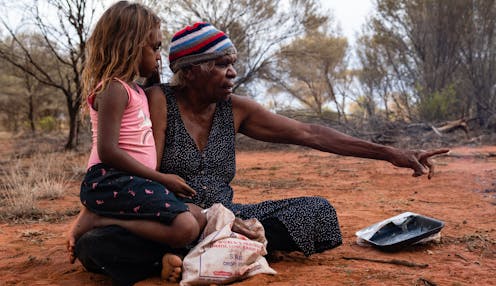
Telehealth has been a game changer for many First Nations people globally, including in Australia.
It has allowed First Nations people to access health care close to home – whether that’s screening for health issues, diagnosing illness or monitoring existing conditions. It has done this while minimising exposure to COVID.
But a recent review of telehealth for First Nations people – in Australia, Canada, New Zealand and the United States – shows we could do better.
Unreliable internet access, services designed without meaningful First Nations’ input, and concerns about establishing rapport with health workers were some of the concerns.
Here’s where we could lift our game to ensure reliable, equitable and culturally safe telehealth for First Nations people in Australia, whether living remotely or in our cities.
Read more: Video and phone consultations only scratch the surface of what telehealth has to offer
What exactly is telehealth?
Telehealth uses information and communication technology to deliver health care at a distance. In Australia, this is mainly via phone and video consultations.
Telehealth can be delivered by any health-care provider including doctors, nurses, and allied health or ancillary health providers. Telehealth is not a complete replacement for in-person care. But it can be used instead of some face-to-face appointments.
Aboriginal Community Controlled Health Organisations have traditionally provided primary (initial) health care and some specialist care for First Nations people in Australia. Telehealth allows them to provide a greater range of specialist services. So, this allows First Nations people access to care close to home, with optional support from an Indigenous health worker.
Read more: First Nations people in the NT receive just 16% of the Medicare funding of an average Australian
Where it’s working well
Telehealth services for First Nations people have improved social and emotional wellbeing, clinical outcomes, access to health services, and boosted screening rates.
During COVID, telehealth increased the number of First Nations people able to access health care, while reducing the potential for transmission of the virus. For clients, telehealth reduces time away from usual activities, travel and associated out-of-pocket expenses.
Telehealth can contribute to culturally safe health care. Practically, this means care that does not challenge identity or experience of First Nations people. It’s when both the provider and the person receiving the care communicate with respect, to share knowledge and to improve overall health.
It allows a person to stay on Country while accessing some health-care services. Telehealth can also reduce the trauma associated with travel, reduce the disruptions to family and reduces stress associated with using health care.
Telehealth also allows family and other supports such as an Indigenous health worker to attend specialist consultations, and for the person to receive care in a supportive environment.
But First Nations communities need a bigger say
But for telehealth services to be provided in a culturally safe manner that improves health, it is essential services are co-designed with First Nations people. First Nations communities also need to have ownership of the services.
Co-designing is a highly collaborative approach where researchers, industry stakeholders and Aboriginal communities work together to achieve a goal, and where there is sustained and equitable engagement with the community.
True co-design puts Aboriginal voices and lived experiences first, aiming to empower communities through shared decision making toward goals defined by the community. When done well, co-design leads to services and outcomes authentically aligned with the needs and preferences of the community.
Co-designing culturally safe telehealth solutions would mean Aboriginal people working closely with industry and researchers to determine what currently works, what doesn’t work well and where gaps lie. This is so solutions – simple or highly innovative – can be developed for the community.
Read more: Aboriginal – Māori: how Indigenous health suffers on both sides of the ditch
… and more reliable internet
Access to reliable internet is a barrier to providing videoconsultations, particularly for remote communities. Investment in infrastructure by government, NGOs and private industry could resolve such connectivity issues.
However, solutions are often expensive. So centralising telehealth services at Aboriginal Community Controlled Health Organisations may provide economies of scale.
Investing in training Indigenous health workers in telehealth may also increase the uptake and scope of telehealth appointments.
First Nations people want that connection
One barrier to telehealth for First Nations people is concerns about establishing trusting therapeutic relationships with their health provider via telehealth.
Evidence suggests rapport can be improved by the provider visiting communities and conducting the initial consultations in-person.
Providers should familiarise themselves with local services available in the communities they are providing care for, as this will improve their ability to integrate care with local services.
Cultural awareness training for all providers is also desirable.
It’s not just about rural communities
Gone are the days of telehealth being used exclusively for rural and remote people. So providers should offer telehealth to First Nations people regardless of where they live.
The benefits of telehealth – such as cultural safety, reduced travel, ability to involve family – are just as relevant for First Nations people living in metropolitan areas as they are for those in rural and remote locations.
Read more: Urban Aboriginal people face unique challenges in the fight against coronavirus
Authors: Centaine Snoswell, Senior Research Fellow Health Economics, The University of Queensland


















