

Modern Australian
The Times

Prime drinks aren't suitable for children and pregnant women. Here's why

  • Written by Evangeline Mantzioris, Program Director of Nutrition and Food Sciences, Accredited Practising Dietitian, University of South Australia
Prime drinks aren't suitable for children and pregnant women. Here's why

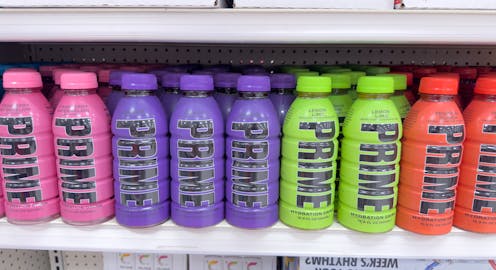
Prime drinks have been heavily promoted in Australia, leading to frenzied sales in supermarkets, as well bans in schools.

Prime offers two products: one is marketed as a “hydration” drink, the other as an “energy” drink. The latter comes with a warning it’s not suitable for people under 18 years of age, or pregnant or lactating women and isn’t legally sold in stores in Australia.

But both drinks may pose problems to under-18s and women who are pregnant or lactating.

What’s in Prime Energy?

Prime Energy contains 200 milligrams of caffeine per can, which is equivalent to about two to three instant coffees. This caffeine content is roughly double what is legally allowed for products sold in Australia.

Despite its name, Prime Energy drink contains only about 40 kilojoules from carbohydrates, which is one of our body’s key sources of energy. The “energy” in Prime Energy refers to the caffeine, which makes you feel more alert and lessens the perceived effort involved in any work you do.

Caffeine does provide performance benefits for athletes aged over 18. However, given the high quantities in the drinks, there may be better ways to get caffeine in more appropriate doses.

Read more: Can coffee improve your workout? The science of caffeine and exercise

Caffeine is a concern during pregnancy

Health guidelines recommend limiting caffeine intake during pregnancy and while breastfeeding to below 200mg a day.

Theoretically, this drink alone, with 200mg of caffeine per can, should be fine. But practically, diets include many other sources of caffeine including coffee, tea, chocolate and cola drinks. Consumption of these alongside the energy drinks would increase the intake for pregnant women above this safety threshold.
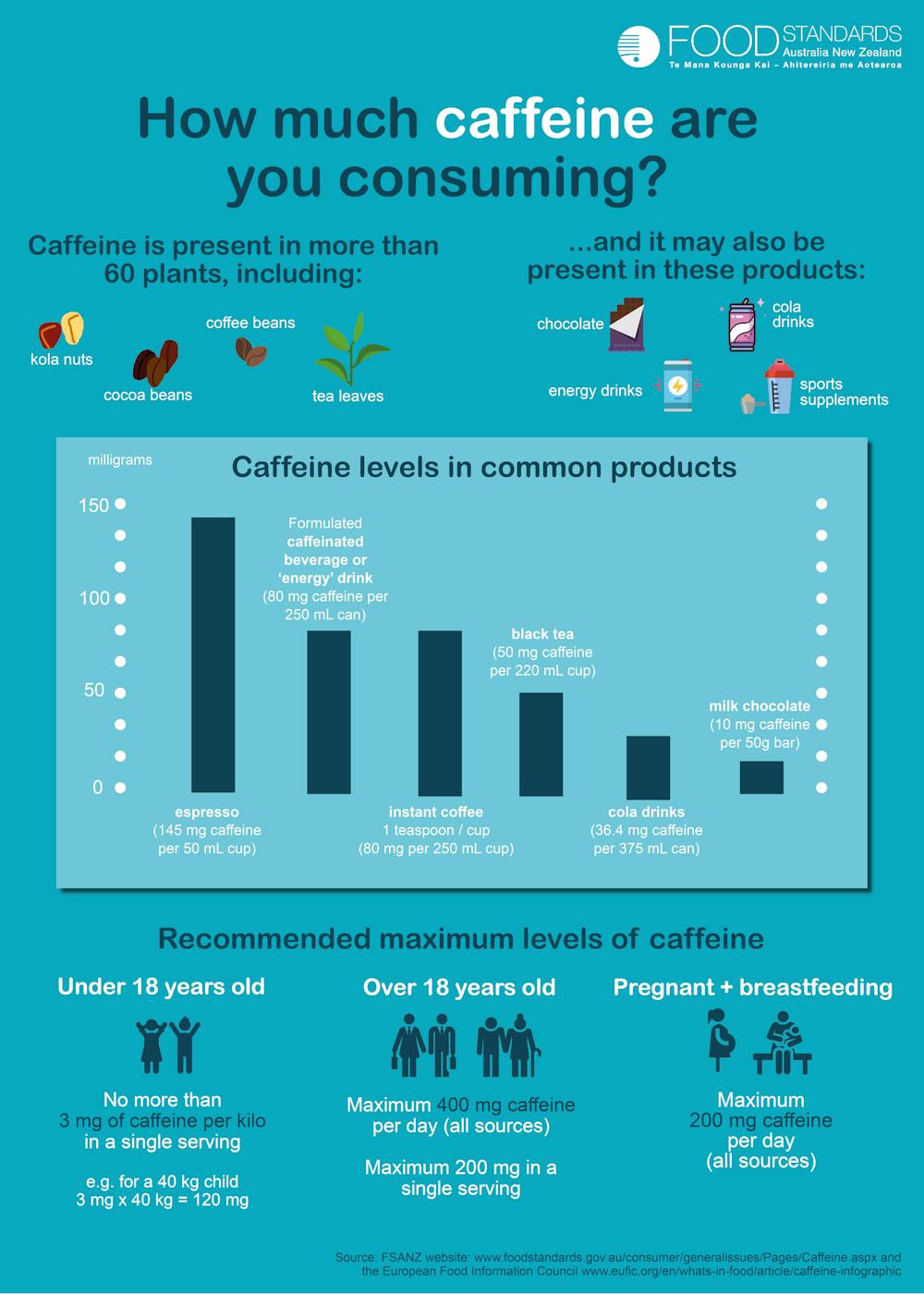
FSANZ, CC BY Why is caffeine a problem for fetuses and babies? Caffeine can cross the placenta into the growing fetus’s bloodstream. Fetuses can’t break down the caffeine, so it remains in their circulation. As the pregnancy proceeds, the mother becomes slower at clearing caffeine from her metabolism. This potentially exposes the fetus to caffeine for longer. Studies have shown a high intake of caffeine is associated with growth restriction, reduced birth weight, preterm birth and stillbirth. Some experts argue there is no safe limit of caffeine intake during pregnancy. With breastfeeding, caffeine passes into the breast milk. It remains in the baby’s circulation, as they’re unable to metabolise it. Evidence shows that caffeine may make babies more colicky, irritable and less likely to sleep. What about in kids? Children also have a limited ability to break down caffeine. Combined with their lighter body mass, a caffeine-based drink will have a more pronounced effect. As such, safe caffeine levels are determined on a weight basis: 3mg per kg of body weight per day. For example, children aged 9 to 13 years, who weigh no more than 40kg, should have no more than 120mg of caffeine per day. Those aged between 14 to 17 years who weigh less than 60kg should have no more than 180mg per day. Studies have shown higher intakes increase the risk of heart problems, such as heart palpitations, chest pain, shortness of breath and fainting. This may reflect underlying heart rhythm problems, which have in some case ended up with children and teenagers presenting to hospital emergency departments. Read more: Should teens taking ADHD, anxiety and depression drugs consume energy drinks and coffee? What about Prime Hydrate, which doesn’t contain caffeine? This drink contains branch chain amino acids, or BCAA, which the supplements industry promotes as helping gain muscle bulk. There are three BCAA: valine, leucine and isoleucine. However, there is no evidence they provide any benefit. As such, the Australian Institute of Sport has concluded they are not an effective supplement for athletes. Supplements in general are not recommended in children or pregnant women as they have not been tested in these groups. There is also concern about the impact of BCAA and how they may impact the growth of the fetus. A scientific animal study has shown altered patterns of growth with fetal mice. No human studies have examined BCAA and fetal growth, so that research needs to be done before recommendations can be given to pregnant women. They should avoid these ingredients in the absence of evidence. Similarly, there has been no testing of these supplements in children under 18 years, so there is no guarantee of their safety. Performance-enhancing sport supplements are not recommended for children and adolescents, as they are still developing physically as well as refining and improving their sporting skills. Children running Children shouldn’t use performance-enhacing supplements. Shutterstock What does the science say about BCAA? Scientists have been investigating how BCAA affect adults. Circulating BCAA can affect carbohydrate metabolism in the muscle and therefore can change insulin sensitivity. BCAA are elevated in adults with diet-induced obesity and are associated with increased future risk of type 2 diabetes, even when scientists account for other baseline risk factors. Adults with obesity and insulin resistance have been found to have higher levels of BCAA. Emerging evidence suggests children and adolescents with obesity also have higher levels of BCAA, which may predict future insulin resistance, a risk factor for diabetes. However we don’t yet know if these elevated levels of BCAA in the blood are because people are overweight or obese, or if it plays a role in them becoming overweight or obese. Read more: Do athletes really need protein supplements? The bottom line is we have clear evidence that caffeine is problematic for children and women who are pregnant and lactating. And there is emerging evidence BCAA may be also problematic. Authors: Evangeline Mantzioris, Program Director of Nutrition and Food Sciences, Accredited Practising Dietitian, University of South Australia

Read more https://theconversation.com/prime-drinks-arent-suitable-for-children-and-pregnant-women-heres-why-202829

Why Retail CX Breaks During Peak Sales Events and How to Prevent It

Retail customer experience has become one of the most important drivers of revenue growth, especially during high-intensity sales periods. However, ev...

15 South Indian Dishes Everyone Should Try

If your only experience of "Indian food" is butter chicken and garlic naan, South Indian cuisine is going to feel like discovering an entirely new c...

What Every Homeowner Should Know About Roof and Drainage Maintenance

A home's roof and drainage system work together every day to protect the property from water damage. While many homeowners focus on visible areas such...

From Plans to Priced Quote: The Estimating Workflow Most Builders Skip

For a small one-off job, an experienced builder can size up the materials in their head. The problem is that most jobs are not small one-off jobs, and...

Organisational Experts Share Their Tips for Achieving a Clutter-Free Kitchen

They say the kitchen is the heart of a house which means a clutter-free kitchen not only makes your home in general look nicer, it also makes cookin...

10 Creative Ways AI Image Extenders Are Transforming Digital Content Creation in 2026

Introduction Artificial intelligence continues to reshape the digital landscape, and one of the most exciting innovations in 2026 is the rise of AI i...

What to Do When You're Arrested in Victoria

Most people have thought about this in the abstract. A knock at the door, a hand on the shoulder, a car pulled over on the Hume. In the abstract, th...

Common Financial Disputes During Separation

Separation hits on many levels, not just emotionally. When a partnership ends, untangling the financial side — assets, debts, and everything built t...

Why Posting More Content is Killing Your Brand

More content. More often. More platforms.Most brands have been running this playbook for three years. Most brands have nothing to show for it.Not be...

Garden Clean-Up vs. Regular Maintenance: Which Do You Really Need?

Most people ring a gardener and ask for a "tidy up." What they mean by that, and what the garden actually needs, are often two completely different ...

Solar Panel Maintenance Tips for Melbourne Homes

Three years in and the panels are still on the roof. The inverter is still blinking. The electricity bills are still lower than they used to be, rou...

Cost Effective Kitchen Renovations – From the Ground Up

Even in times of uncertainty, it seems renovations continue to be on the to-do list for many Australian property owners. As a result, demand on materi...

Why Bathroom Product Selection Matters More Than Most Homeowners Realise

Most homeowners think wrong when it comes to a bathroom renovation. They think hard about the layout. Spend hours choosing tiles. Agonise over pain...

How An Asbestos Removalist Ensures Safe And Compliant Property Environments in Melbourne

Maintaining a safe environment within residential and commercial properties requires careful management of hazardous materials, which is why engaging ...

Why Protein Bars Are A Convenient Option For Daily Nutrition And Energy

Maintaining balanced nutrition throughout the day can be challenging, especially for individuals with busy schedules, which is why protein bars hav...

Property Settlements After Separation: Key Considerations

Dividing assets after a separation is one of the more complex and emotionally charged aspects of the process. Understanding how property settlements...

Why Dust Control Matters During Bathroom Demolition

People usually expect bathroom demolition to be noisy.  No one thinks of dust — but it turns up everywhere. Inside cupboards. On couches. Along...

Why Roller Shutters And Outdoor Blinds Are Popular For Modern Properties

Many homeowners and businesses now install roller shutters to improve security, privacy, insulation, and weather protection across residential and ...

















