

Picking mushrooms can go horribly wrong. Here's what can happen, according to a toxicologist
- Written by Darren Roberts, Conjoint Associate Professor in clinical pharmacology and toxicology, St Vincent’s Healthcare Clinical Campus, UNSW Sydney
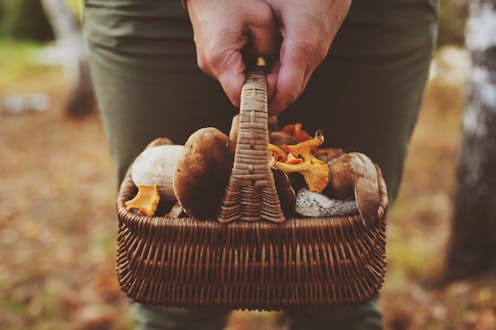
It’s mushroom season in many parts of Australia. Between now and about June, the cooler and wetter weather are the perfect conditions for mushrooms to grow in the wild. In Tasmania and parts of Victoria, mushrooms can grow all year round.
At the New South Wales Poisons Information Centre, where I’m the medical director, we receive 300–500 calls a year about mushrooms. Most are from people concerned about what they or others have eaten. Others are from health workers seeking advice on how to treat poisonings.
Here’s what happens if you eat a toxic mushroom, and if you do, what really helps health workers know what to do next.
A rich history … but can make you sick
Mushroom foraging, or mushroom hunting, is popular in many parts of the world. It’s associated with local cultures, a social activity with family and friends, or to find food. So mushroom foraging can have deep emotional or cultural connections.
The success of a foraging expedition depends on finding mushrooms, and being able to differentiate the edible from the toxic varieties. That’s not always easy and even experienced foragers can make mistakes.
Toxic mushrooms can resemble edible ones, and might look different according to where they grow, including across continents. Mushroom identification apps do not appear to be accurate enough in Australia. It’s also not clear how useful mushroom-identification books are at helping people distinguish the edible from the toxic.
Read more: The glowing ghost mushroom looks like it comes from a fungal netherworld
Different types of mushroom pickers
People can be at risk of mushroom poisoning for different reasons.
1. Young, and sometimes older people
A common group of those at risk is younger people (mostly toddlers, as they explore the world around them), and sometimes older people (mostly people with cognitive issues, such as dementia). These people tend to find and eat mushrooms outside when partially supervised.
This group tends to eat smaller amounts, which is usually low risk, and contact poisons information centres early. But assessing the toxicity of the mushrooms they have eaten can be hard if the only information we have is chewed mushroom remnants from an uncertain source.
2. Foragers
The other at-risk category are people who eat larger amounts of mushrooms, usually as part of a foraging group, and develop symptoms. These people contact the poisons information centre some time after eating the mushrooms.
Uncooked mushroom samples are often not available. And we don’t always know if their symptoms relate to mushrooms or something else.
Most mushroom poisonings are mild. But sometimes this group develops severe poisoning that requires medical attention, including hospital admission, including those foraging for food or hallucingenic mushrooms.
What happens in the body?

The most common symptoms are nausea, vomiting, stomach pain and diarrhoea. We don’t always know how mushrooms cause these effects. But this is probably due to chemicals that directly irritate or kill cells in the gut.
We expect these symptoms after eating mushrooms such as the yellow stainer or Agaricus xanthodermus, found in many parts of Australia, and the green-spored parasol or Chlorophyllum molybdites, found mostly in tropical and subtropical regions.
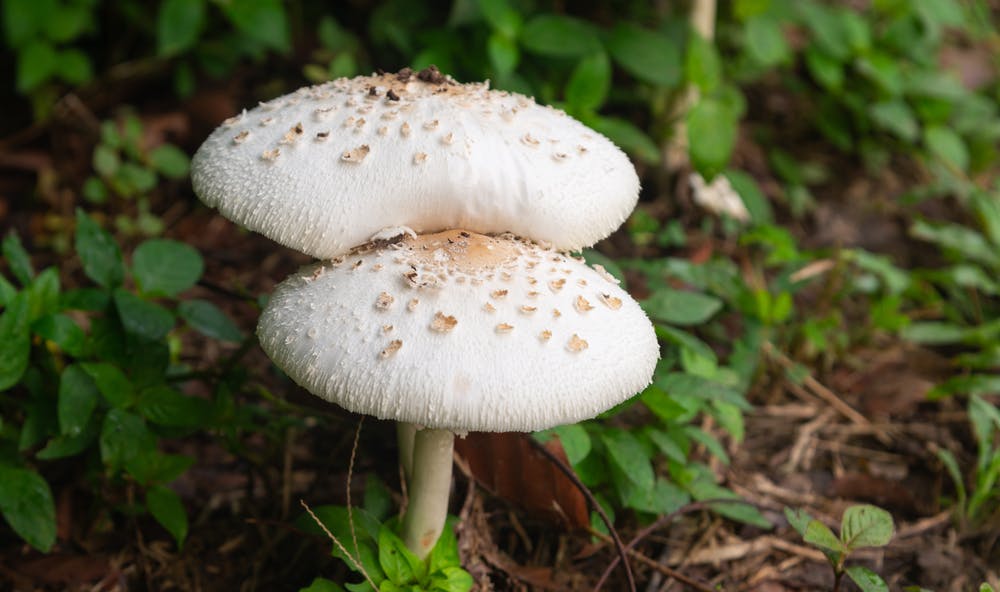 The green-spored parasol can also cause gut symptoms.
Shutterstock
The green-spored parasol can also cause gut symptoms.
Shutterstock
The mushroom that features in the Smurfs, Amanita muscaria, can cause gut symptoms. It can also cause sedation (which may be severe) and fatigue, or agitation, confusion and changes in perception. This is because it contains chemicals such as ibotenic acid and muscimol that can stimulate or inhibit different parts of the brain. This mushroom is found in subtropical and temporal climates in Australia.
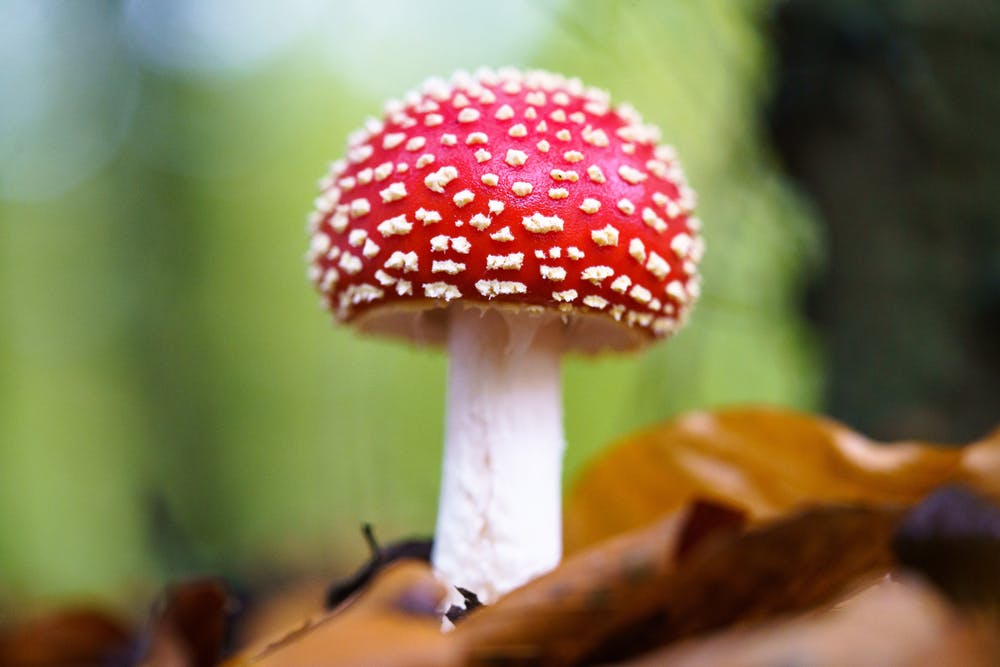 The mushroom Amanita muscaria can sedate you.
Shutterstock
The mushroom Amanita muscaria can sedate you.
Shutterstock
Toxic effects from other mushrooms includes sleepiness, lethargy, seizures, low blood pressure, hallucinations and agitation. Some mushrooms can interact with alcohol for a couple of days after eating the mushroom, causing flushing, nausea, vomiting and low blood pressure.
Fortunately, people usually recover from these types of symptoms as their body naturally eliminates the toxins.
But Australia also has poisonous mushrooms that can kill, or cause permanent liver or kidney failure. That’s because they contain toxins that kill liver, kidney and other cells in essential organs of the body that the body cannot repair.
 Eating a death cap mushroom can cause liver failure or can kill.
Shutterstock
Eating a death cap mushroom can cause liver failure or can kill.
Shutterstock
An example is the death cap mushroom (Amanita phalloides), which is found in Tasmania, Victoria, South Australia and the Australian Capital Territory.
In Tasmania, Cortinarius eartoxicus causes kidney failure requiring dialysis. Similar varieties may also be in Victoria but have yet to be formally identified.
Read more: What's in your porcini packet? You may find a new species ... or three
What can you tell the person treating you?
Knowing which mushroom people have eaten helps us predict the likely course of events and to choose the best treatment.
But people who call us for advice rarely have fresh samples or photos to allow us to identify the mushroom. People may also eat several different varieties of mushrooms at once, which can complicate how we assess you.
Our knowledge about poisonous mushrooms growing in Australia is also incomplete. In some cases, we rely on information reported from overseas but we are not certain how this applies to Australia, or to the region where the consumed mushroom was picked.
Read more: The peculiar history of thornapple, the hallucinogenic weed that ended up in supermarket spinach
What should I do if I’m worried?
If you think you’ve eaten a toxic wild mushroom, contact a poisons information centre as soon as possible (details below). Health staff can provide advice related to your exposure, including the location of the exposure, amount eaten and your symptoms.
Some people may be advised to watch and wait at home, but others will need to go to hospital immediately. This allows treatments that may reduce the amount absorbed and the severity of poisoning.
We can prevent this
The safest way of obtaining mushrooms is from a reputable supermarket, grocer or market.
But if you choose to forage for wild mushrooms, then as a minimum, get advice from a relevant book or an experienced person, keep a sample of the mushroom and take lots of photos. Photos should include where they grow, and different angles of the mushroom. This includes the top, stem, underside and base (underground) portions. This may help us identify the mushroom if you or someone else develops symptoms.
If this article raises health concerns for you or for someone you know about consuming mushrooms, call the Poisons Information Centre from anywhere in Australia on 131 126. This evidence-base advice is available 24 hours a day. For life-threatening symptoms, call 000.
Authors: Darren Roberts, Conjoint Associate Professor in clinical pharmacology and toxicology, St Vincent’s Healthcare Clinical Campus, UNSW Sydney

















