

Pragmatism versus idealism? Behind the split between environmental groups and the Greens on the safeguard mechanism
- Written by Rebecca Pearse, Lecturer, Australian National University
Old tensions emerged between green groups en route to the hard-fought Labor-Greens deal over the safeguard mechanism industrial emissions policy.
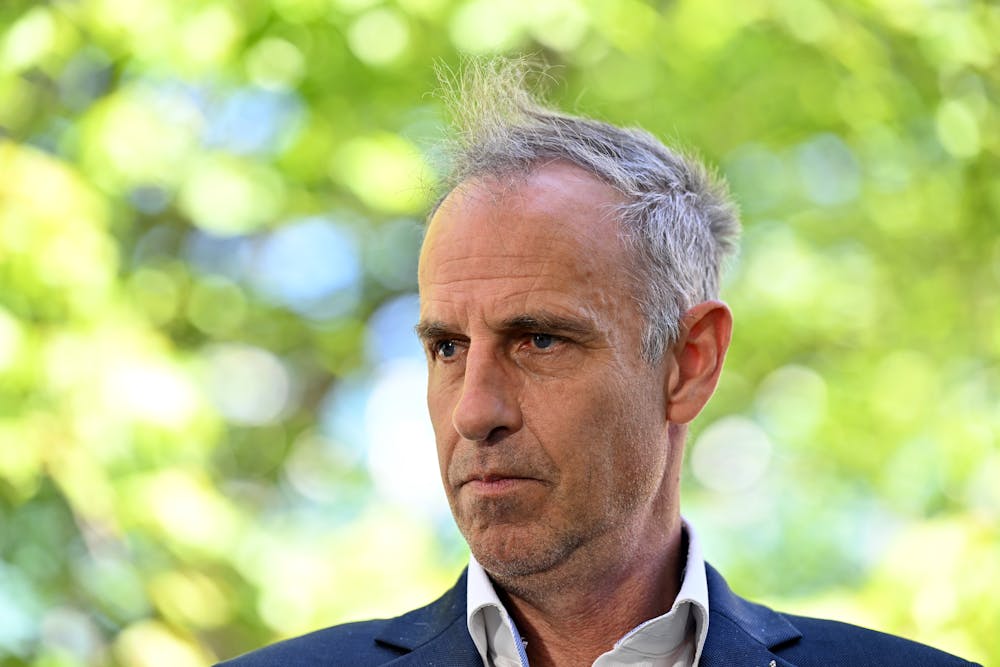
At the height of negotiations, the Australian Conservation Foundation (ACF) started lobbying the Greens to accept a deal. Greens Senator Nick McKim accused the ACF of undermining the Greens’ negotiating strategy and ultimately the legislative outcome, saying:
The environment and climate movement needs to collectively get its shit together. There is a desperate need for a new model of change and the clock is ticking loudly.
These splits are not uncommon, especially when there’s a rare opportunity to actually improve environmental protection.
But why do Australia’s environmental groups disagree over reform?
Who’s part of Australia’s environment movement, anyway?
In the late nineteenth century, the nascent green movement was led by naturalists, bushwalkers, adventurers, and government-appointed botanists. They led the first campaigns for national parks and wise use of resources, particularly forestry.
As urban pollution problems escalated into the next century, other reformers led campaigns for better living conditions. We forget now, but it wasn’t that long ago our major rivers were filled with run-off from tanneries and abattoirs and dangerous chemical waste. Epidemics of diptheria, scarlet fever and typhoid spread through growing cities like Melbourne and Sydney.
As development intensified after the second world war, popular environmental campaigns focused on unsustainable resource extraction or destructive forms of development, such as sand mining on Stradbroke Island/Minjerribah and proposed uranium mining in Kakadu. The Greens emerged as a political force from Tasmanian battles such as the plan to dam the pristine Franklin River.
Historically, environmentalists have been members of the professional class. The “social base” of the movement is made up of people with a lot of formal education and jobs such as lawyers, doctors, scientists, public servants and teachers. And today, environmental campaigning is itself a profession.
Many people in the environmental movement are conservative in both senses, wanting to conserve nature as well as maintain current patterns of wealth and privilege. Other environmentalists are progressive, coupling environmental concern with a commitment to social justice and reconciliation. There have also been attempts at green trade unionism like the Green Bans used in conflicts over Sydney’s development in the 1970s.
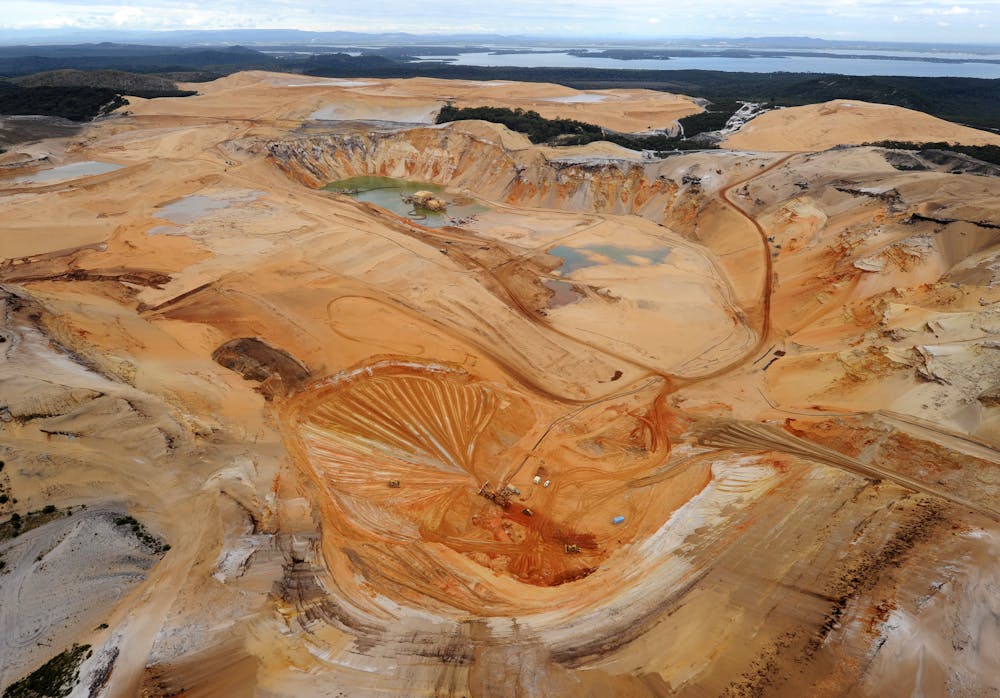 Sand mining on Stradbroke Island only ended in 2019.
Dave Hunt/AAP
Sand mining on Stradbroke Island only ended in 2019.
Dave Hunt/AAP
Pricing carbon, dividing green groups
The green movement has now split twice over carbon pricing.
In 2009, a group of Australia’s largest environment groups including the ACF and World Wildlife Fund for Nature formed a coalition to try and influence the Rudd government’s carbon pollution reduction scheme.
Ahead of parliamentary debate, these groups came out in support of the scheme. They saw the issue as a trade-off. The movement would agree to lower targets and weaker carbon market rules in return for gaining a framework for carbon regulation. Something was better than nothing, they argued.
But this led to a difficult split. While the largest environmental groups backed the government’s reforms, mid-sized organisations such as Greenpeace disagreed, as did groups like GetUp!, the Australian Youth Climate Coalition, Friends of the Earth and more. They did not want to settle for what they saw as a weak carbon target and flimsy rules for the carbon market.
At the time, the Greens declared the scheme was “worse than doing nothing”.
Read more: Labor's scheme to cut industrial emissions is worryingly flexible
Sound familiar? We’ve seen a version of this play out in the debate over the safeguard mechanism in 2023. A Labor government, a proposal to cut emissions, environmental group criticism over the weakness of the plan, a push by the Greens party for much more, and a split in the movement.
Just as in 2009, bigger environmental groups such as ACF took the pragmatic view: take what you can get. This is what the Greens have seen as betrayal – and worse, undercutting their ability to negotiate a better deal. But there’s more to it. The groups who backed the carbon market reforms in 2009 have historically been close to Labor or to both major parties.
For their part, the Greens point to their best-ever democratic mandate as evidence of their right to negotiate for a stronger deal on behalf of the movement.
 Big environmental groups like the Australian Conservation Foundation backed Labor climate reforms in 2009 and in 2023. Pictured is ACF CEO Kelly O'Shanassy in 2018.
Mick Tsikas/AAP
Big environmental groups like the Australian Conservation Foundation backed Labor climate reforms in 2009 and in 2023. Pictured is ACF CEO Kelly O'Shanassy in 2018.
Mick Tsikas/AAP
Disputes are more about strategy than ideology
In their excellent history of Australia’s environment movement, Greens activists Drew Hutton and Libby Connors show the most heated fights are over short- and long-term strategy rather than ideology or political affiliation.
We can see this in the carbon price debate. Since 2011, green groups have been drawn into debate over the design of carbon market instruments. But the economic ideology of solving climate change with market mechanisms is not the main point of debate between groups.
Though ideology and political affiliations certainly shape the situation, most green campaigners identify as pragmatists who simply want the best climate outcome possible.
Today, the broader movement is less torn by the carbon price debates. But the strategic tensions between groups like the ACF and the Greens remain.
Are these tensions constructive or not?
The environment movement’s current model is pluralist, meaning conservative and progressive campaigners can work alongside one another most of the time. They avoid tensions by focusing on different areas. On climate change, the environment movement works across three distinct arenas: negotiating expansion of renewable energy markets, resisting fossil fuel expansion, and climate policy.
But when a rare chance for large-scale reform emerges, these differences can no longer be avoided.
Bigger groups like ACF and their associated experts are clearly pinning their hopes on winning slow, steady improvements to carbon market regulations over time. By contrast, the Greens and their younger, action-focused supporters have been trying to push hard for tough rules laid down in law rather than regulations, which are easier to change.
So what’s the solution?
While these groups at times form or disband coalitions around specific debates, it’s fairly ad hoc. By contrast, the longer-established trade union movement deals with frequent ideological, factional and personal differences through caucusing (forming alliances and committees among like-minded people) in order to influence open debate about movement policy.
If green groups negotiate more formally and openly over strategy, it may open up space to become more ambitious.
After all, green groups have much in common. But too often, each group is fighting on its own when they may well be stronger together.
Read more: Australia's safeguard mechanism deal is only a half-win for the Greens, and for the climate
Authors: Rebecca Pearse, Lecturer, Australian National University

















