

delving into past child welfare practices that haunt the present
- Written by: Shurlee Swain, Professor of Humanities, Australian Catholic University
Recent publicity about the continuing abuse of children in out-of-home care may be a source of shame for Australians, but it does not come as a surprise.
A series of inquiries at both state and Commonwealth level over the last quarter century exposed such “care” as inherently abusive. The inquiries also detailed the lengths to which the governing institutions were prepared to go to deny this reality.
Review: Ghosts of the Orphanage – Christine Kenneally (Hachette); Crazy Bastard – Abraham Maddison (Wakefield Press)
The United States has resisted the “age of inquiry” that has swept across much of the western world, leaving former orphanage residents to pursue their cases through the courts as individuals.
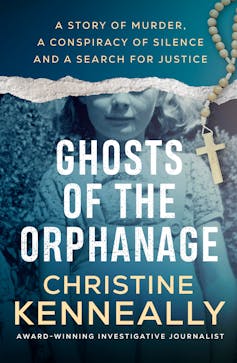
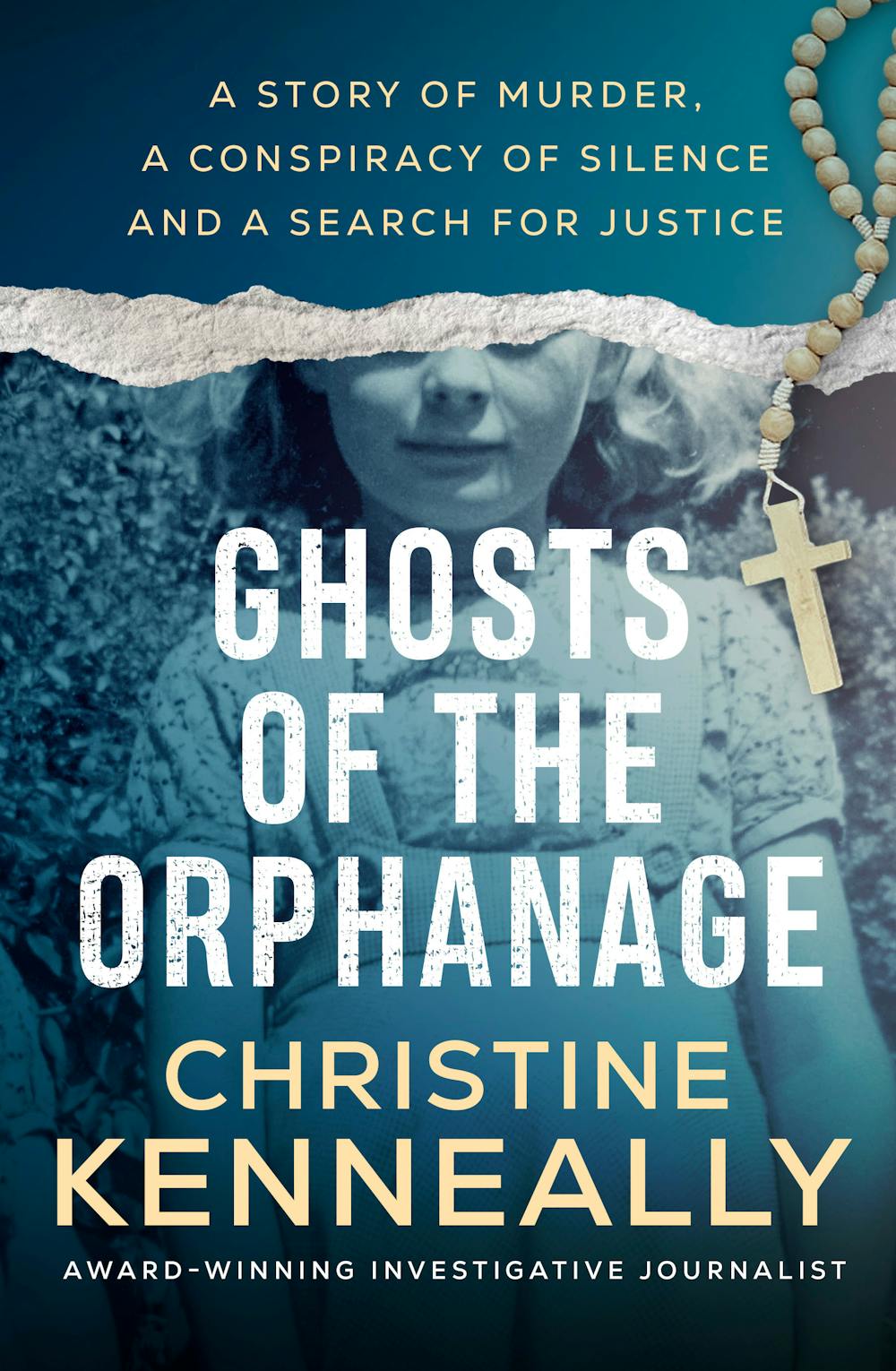
It is this struggle that forms the core of journalist Christine Kenneally’s latest book, Ghosts of the Orphanage. Her focus is on St Joseph’s Orphanage in Burlington, Vermont, where generations of children were under the control of untrained and often cruel nuns, and a series of paedophilic priests.
 The promotion of adoption
, particularly in the postwar era, would suggest that the negative aspects of orphanages were not unknown. Authorities assumed that single mothers would not be able to provide for their children, so they advanced a clean break theory. Adoption at birth, it was argued, would prevent children from “languishing” in orphanages when their mothers were forced to surrender them later in life.
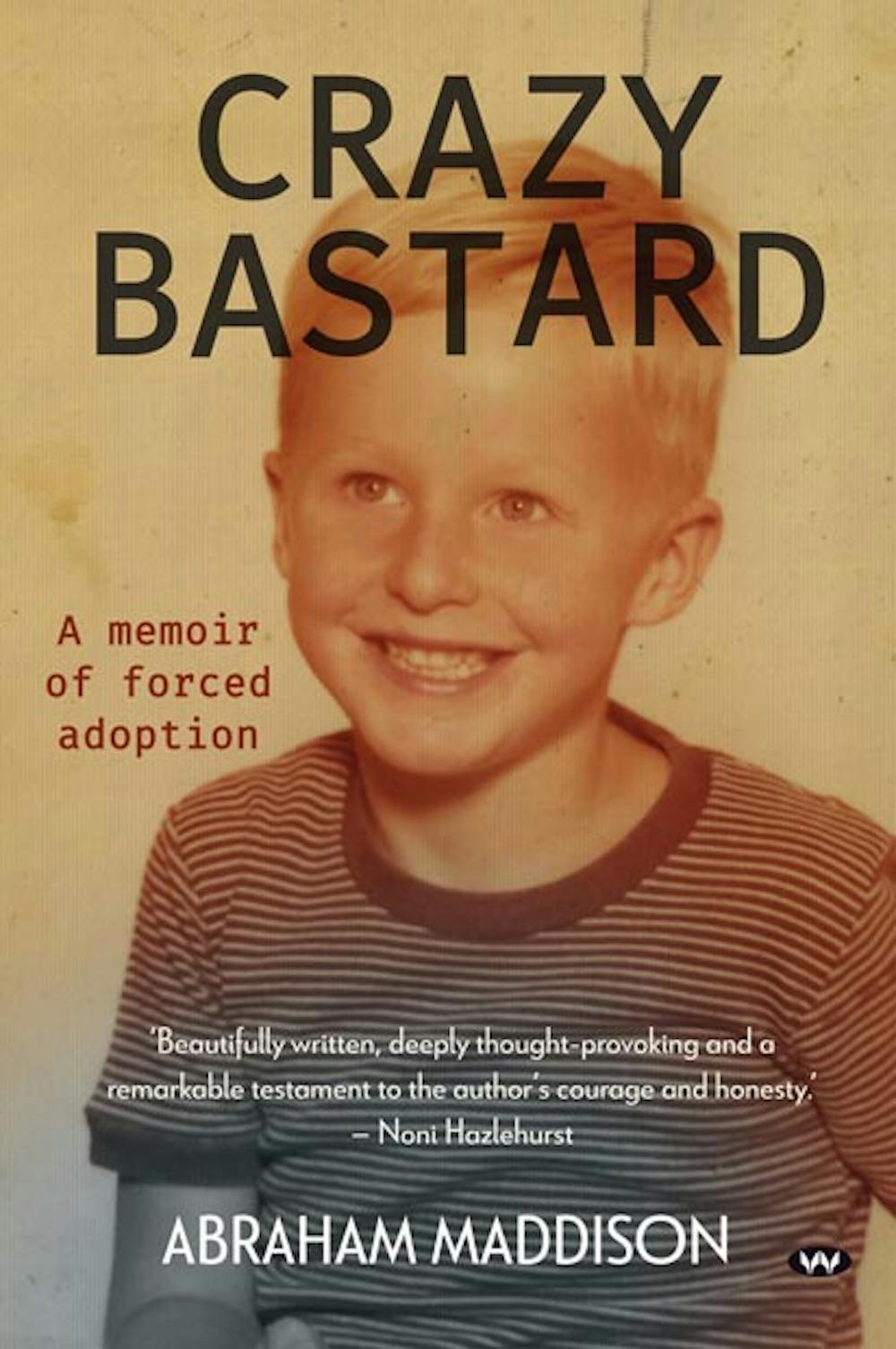
In Crazy Bastard, journalist and adoptee Derek Pedley, writing under his birth name Abraham Maddison, sets out to show that this assumption was fraught. He sees his life as broken by his forced adoption.
Following the primal wound theory expounded by Nancy Verrier, Maddison views his adoption as the major explanation for the dysfunction that followed his discovery of his adopted status at 15. When a reunion with his mother – Joye Maddison – and her wider family failed due to his disruptive behaviour, exacerbated by his alcohol abuse and mental health issues, he interpreted this as a second abandonment.
The promotion of adoption
The promotion of adoption, particularly in the postwar era, would suggest that the negative aspects of orphanages were not unknown. Authorities assumed that single mothers would not be able to provide for their children, so they advanced a clean break theory. Adoption at birth, it was argued, would prevent children from “languishing” in orphanages when their mothers were forced to surrender them later in life.
In Crazy Bastard, journalist and adoptee Derek Pedley, writing under his birth name Abraham Maddison, sets out to show that this assumption was fraught. He sees his life as broken by his forced adoption.
Following the primal wound theory expounded by Nancy Verrier, Maddison views his adoption as the major explanation for the dysfunction that followed his discovery of his adopted status at 15. When a reunion with his mother – Joye Maddison – and her wider family failed due to his disruptive behaviour, exacerbated by his alcohol abuse and mental health issues, he interpreted this as a second abandonment.
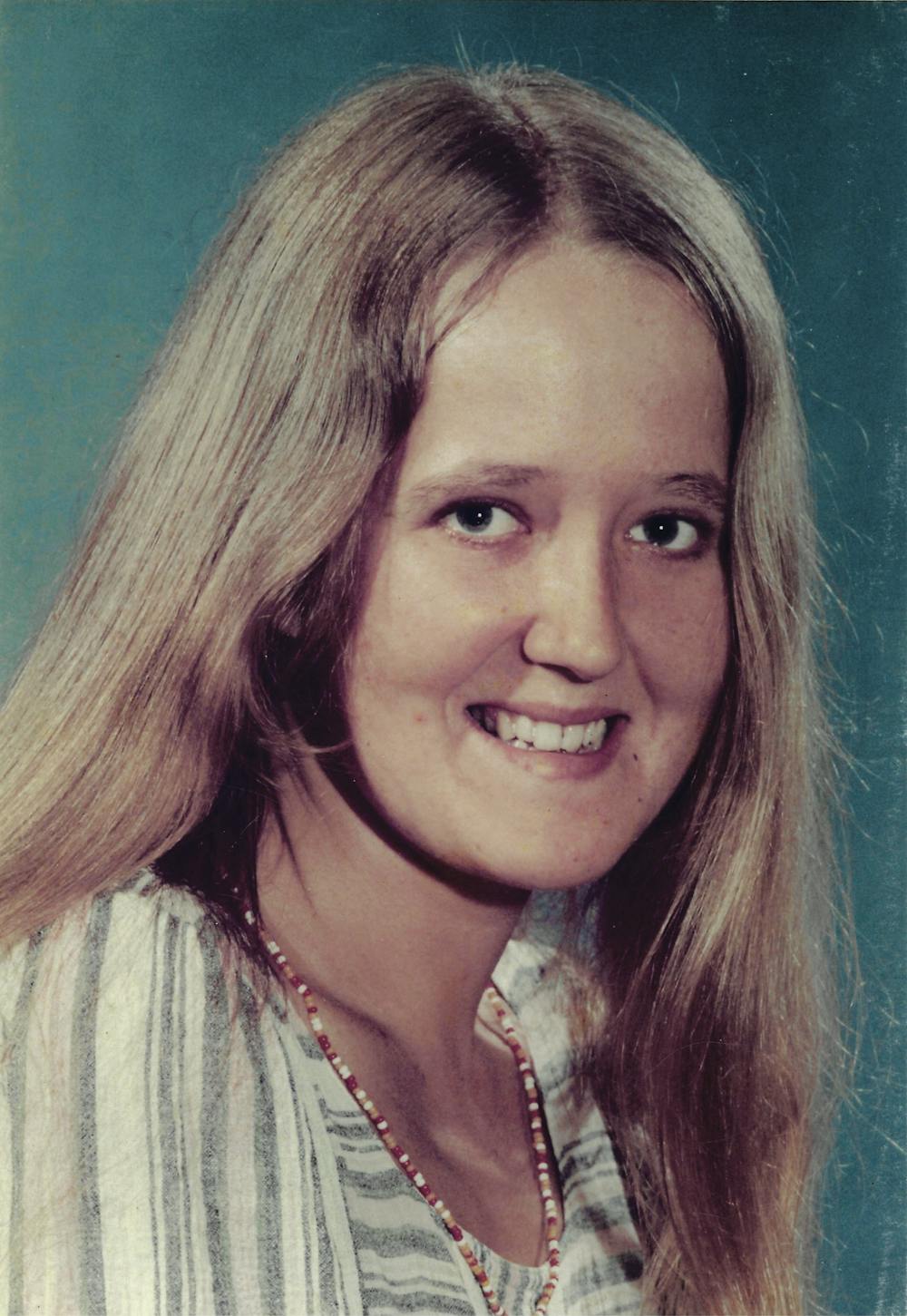 Joye Maddison in the early 1970s.
Wakefield Press
But a letter written by his mother at the time of his birth, but not given to Maddison until after her death, overturns this narrative of multiple abandonment. He also gains access to his mother’s diaries, which document her struggles over relinquishing her child and her continuing concern for his fate throughout the years when access to him was denied.
These documents lead Maddison to reevaluate their relationship. In Crazy Bastard, he reviews his life, interweaving his personal story with psychological insights, his recollections augmented by this mother’s writings and discussion with friends. He concludes that he and his mother were both victims.
Another crucial element in Maddison’s reevaluation is the evidence that emerged from the Senate Inquiry into Former Forced Adoptions. Here Maddison was able to hear the voices of many women whose lives were also shaped, and harmed, by the practice of forced adoption. His own experiences were validated.
Crazy Bastard is the story of Maddison rebuilding his life. It is a valuable addition to the growing list of adoption memoirs that disrupt the happy-ever-after narrative on which the practice was based.
By locating his experiences within this wider narrative, Maddison has been able to move beyond the dysfunction that marred his past. Part of his rebuilding process has also involved a reunion with his father’s family – a reunion far less troubled than his original contact with his mother.
Voices of survivors
Joye Maddison in the early 1970s.
Wakefield Press
But a letter written by his mother at the time of his birth, but not given to Maddison until after her death, overturns this narrative of multiple abandonment. He also gains access to his mother’s diaries, which document her struggles over relinquishing her child and her continuing concern for his fate throughout the years when access to him was denied.
These documents lead Maddison to reevaluate their relationship. In Crazy Bastard, he reviews his life, interweaving his personal story with psychological insights, his recollections augmented by this mother’s writings and discussion with friends. He concludes that he and his mother were both victims.
Another crucial element in Maddison’s reevaluation is the evidence that emerged from the Senate Inquiry into Former Forced Adoptions. Here Maddison was able to hear the voices of many women whose lives were also shaped, and harmed, by the practice of forced adoption. His own experiences were validated.
Crazy Bastard is the story of Maddison rebuilding his life. It is a valuable addition to the growing list of adoption memoirs that disrupt the happy-ever-after narrative on which the practice was based.
By locating his experiences within this wider narrative, Maddison has been able to move beyond the dysfunction that marred his past. Part of his rebuilding process has also involved a reunion with his father’s family – a reunion far less troubled than his original contact with his mother.
Voices of survivors
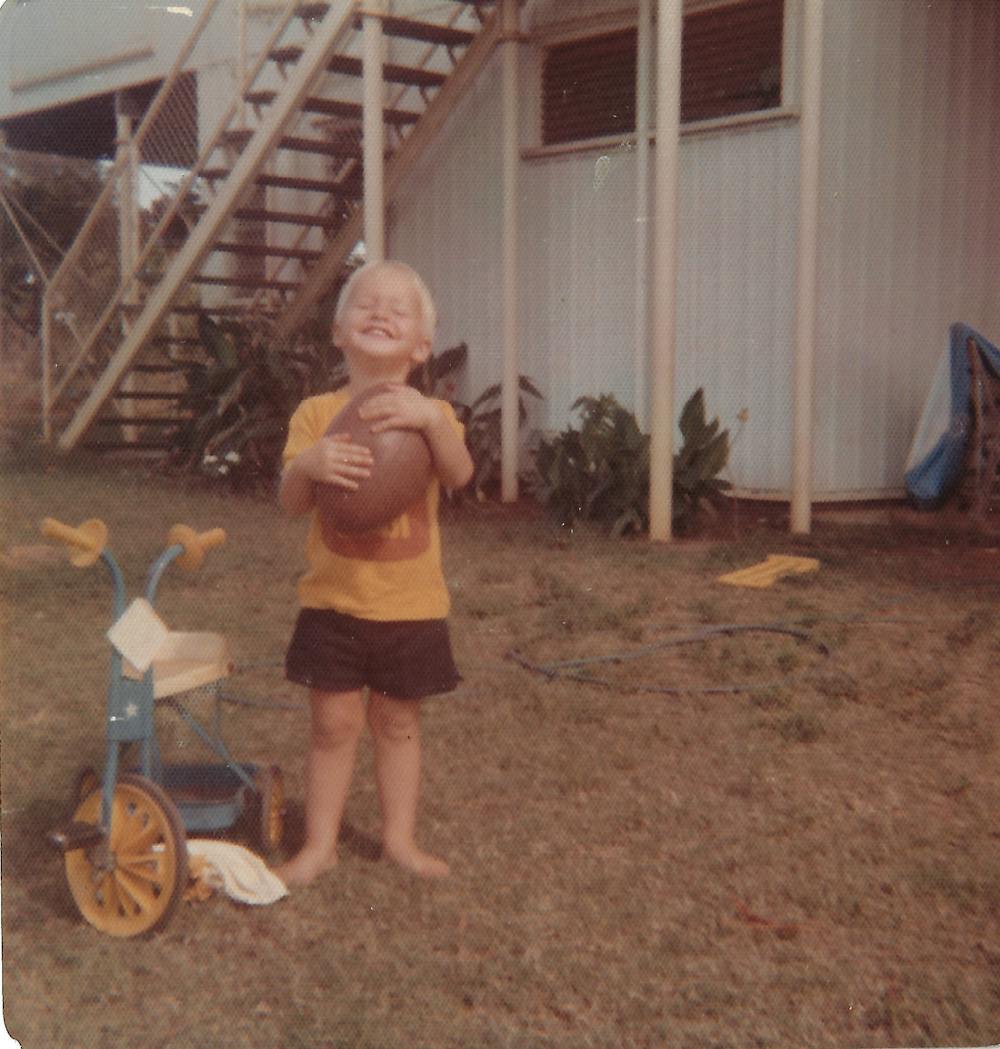 Abraham Maddison, August 1974.
Wakefield Press
Ghosts of the Orphanage and Crazy Bastard address child welfare practices of the past, but they have continuing relevance for the present. As the recently opened Australian Orphanage Museum shows us, the legacy of such practices lives on for the survivors, whose adult experiences have been shaped by the disruptions of their childhood.
We need to continue to listen to the voices of these survivors. Their voices provide a valuable counterbalance to politicians and experts who seek to impose simplistic solutions to the complex problems in child protection that continue to face society today.
Authors: Shurlee Swain, Professor of Humanities, Australian Catholic University
Abraham Maddison, August 1974.
Wakefield Press
Ghosts of the Orphanage and Crazy Bastard address child welfare practices of the past, but they have continuing relevance for the present. As the recently opened Australian Orphanage Museum shows us, the legacy of such practices lives on for the survivors, whose adult experiences have been shaped by the disruptions of their childhood.
We need to continue to listen to the voices of these survivors. Their voices provide a valuable counterbalance to politicians and experts who seek to impose simplistic solutions to the complex problems in child protection that continue to face society today.
Authors: Shurlee Swain, Professor of Humanities, Australian Catholic University 

















