

Before the colonists came, we burned small and burned often to avoid big fires. It's time to relearn cultural burning
- Written by: Robbie Williams, Traditional Owner, Indigenous Knowledge
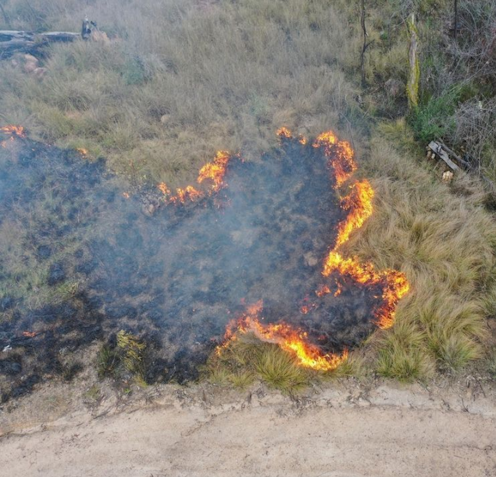
For 60,000 years, many First Nations peoples managed the land that sustained us. Fire, for us, was not destructive. It created new life. We believe bringing back cultural burning is an important step towards creating a more just and sustainable future.
We are from the Githabul and Ngarakbul peoples of the Yoocum Yoocum Moeity. Our traditional lands span what is now northern New South Wales and southern Queensland. But the knowledge of how to burn and when to burn spans the entire continent.
We want to pass this knowledge on, from First Nations to the ones who came later. Farmers, landholders, people with bush blocks – these are the people who need this knowledge.
Over a decade ago, we ran a workshop for Jayn Hobba, a non-Indigenous woman who has a nature reserve property outside Stanthorpe. We taught her about the art of tree thinning and cultural burns.
She writes:
Working alongside traditional owners who are the fire, soil and water keepers of their culture, I’ve also gained much practical knowledge in thinning out native black cypress, conserving old growth eucalyptus and mosaic cool burning. A decade later, I can see culturally appropriate fire regimes and conservative thinning of vegetation are benefiting the ecosystems and reducing fuel load.

Why is cultural burning undertaken?
Every group burned country differently. The knowledge of what to burn – and when to burn – is known as lore. By burning the right areas at the right time, we burn off the fuel loads and keep Australia’s fire-loving trees from starting dangerous fires.
The way we burn is known as mosaic cool burning – burn this area, leave this area – which produces a pattern of newer and older growth across the landscape. Traditionally, these mosaics produced new growth attracting kangaroos and wallabies, which could then be hunted.
Our thousands of years of cultural burning made much of Australia look like a park – stands of trees, large tracts of grass and shrub, as historian Bill Gammage has detailed.
After the colonists came, much knowledge was lost. Cultural burning, too, could have been lost. But it survived.
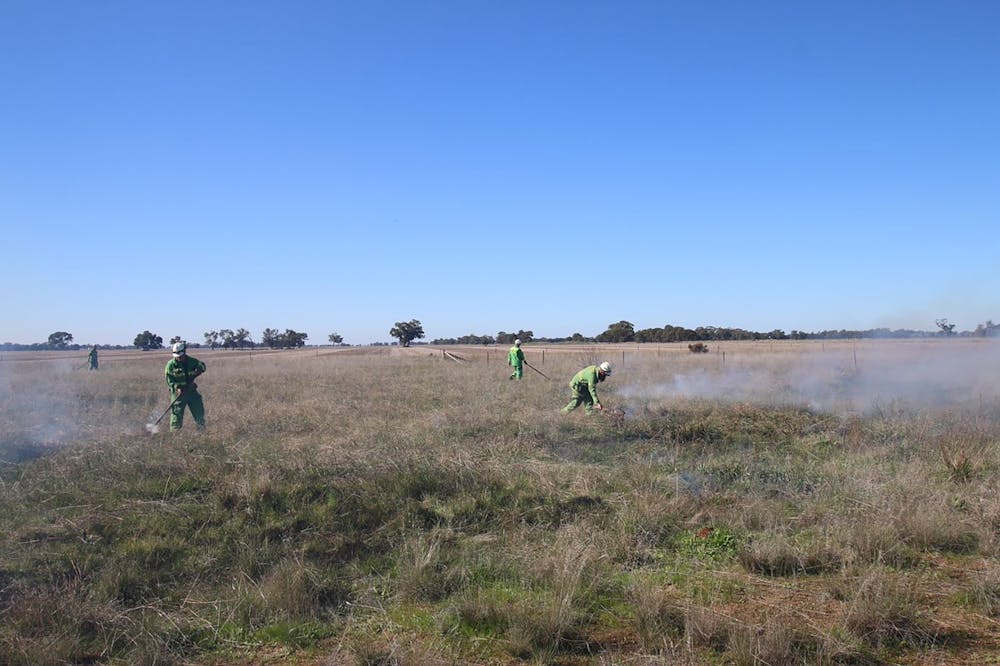 Cultural burns have to be done at the right time of year for the location. This March 2023 photo shows Dja Dja Wurrung traditional owners undertaking a cultural burn in the Tang Tang swamp in Victoria.
AAP
Cultural burns have to be done at the right time of year for the location. This March 2023 photo shows Dja Dja Wurrung traditional owners undertaking a cultural burn in the Tang Tang swamp in Victoria.
AAP
How does it differ from hazard reduction burns?
Cultural burns are cool, low intensity burns which stay on the ground. Hazard burns are usually hot burns, done with more intensity.
Cool burns are best done at night or early in the morning. Many Australian trees sweat flammable oils during the day, making it a more dangerous time. Early morning dew helps to cool the fire. The wind is often gentle during a morning burn, assisting us as we direct the fire.
Cool fires do not bake seeds or nutrients into the soil, nor do they destroy root systems. Because the flames are so low, they cannot leap up to set tree canopies on fire and can only char the bottom bark.
Cool fires help change ground vegetation by reducing the density of plants such as bracken fern and casuarina, which lead to high fuel loads. Hot fires will encourage their regrowth.
If fires are started too early in the season, thick shrub grows afterwards which adds to fuel loads. If fires are started too late, dried-out fuel can make fires more intense and even lead trees to explode.
Hazard reduction burns are performed to control overgrowth of bush. If cool burns aren’t done, fallen branches, leaf litter and dead trees keep building up and up. Australia’s trees are very messy – many of them shed bark and leaves and branches to encourage fire.
First Nations people did everything they could to avoid intense, destructive bushfires. By burning small and burning often, we made sure the fuel never built up to extreme levels.
But after we were colonised, cultural burning almost entirely stopped. Forests grew back, covering some grasslands. Fuel began to build up. And immense bushfires began. Black Friday, 1939. Black Saturday, 2009. And the devastating Black Summer of fire in 2019-2020. These show us what happens when we do not burn country properly.
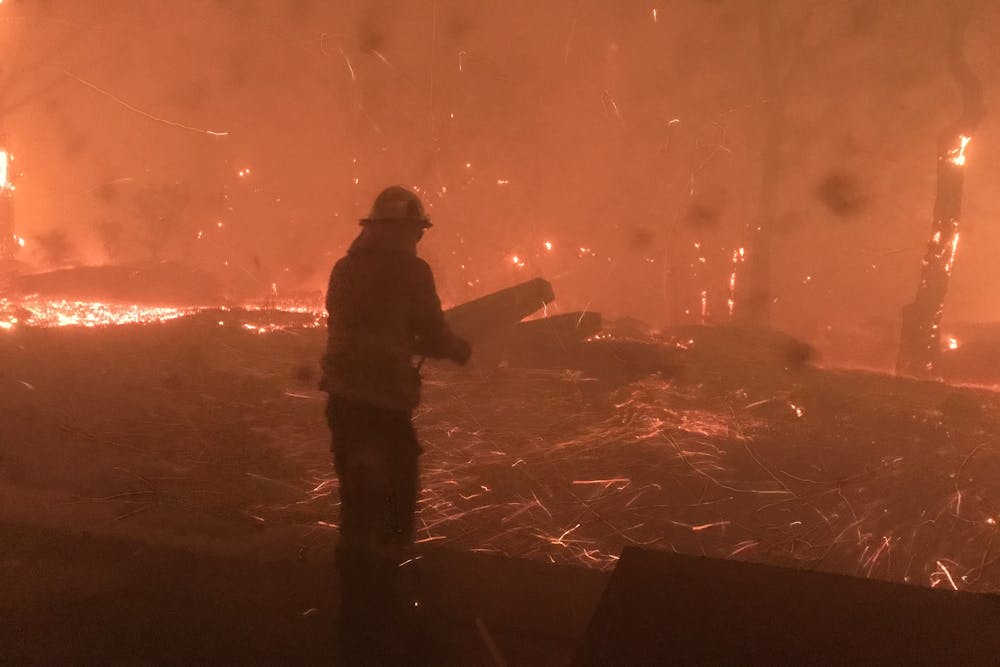 Firestorms like this 2020 New South Wales blaze are a sign of a system out of balance.
Adrian Turner
Firestorms like this 2020 New South Wales blaze are a sign of a system out of balance.
Adrian Turner
Read more: This rainforest was once a grassland savanna maintained by Aboriginal people – until colonisation
How is it done?
Cultural burning is complex and nuanced. To do it properly, you need thorough knowledge of the natural environment. You can’t simply walk into a field or forest and set it alight.
Fire lore is passed on from knowledge holders to initiates. We are taught to read signs in the land and signals in the environment to know when to burn, from different grasses drying out to trees beginning to flower, seed or fruit, to animal breeding and migration.
The reason for this is simple. Burning at the wrong time in the wrong place risks a cool burn running hot. As our firefighters know, it’s very hard to find the right time to do burns.
Each country contains its own season for fire – the time when fire can help cleanse, reset and safekeep the land, ready for the rebirth that comes after burning.
The return of cultural burning
The Black Summer had many causes, ranging from climate change to misuse of land and bad land and water use. The absence of cultural burning and traditional land management practices made matters worse.
Cultural burning and land management can improve soil health, dampen down the impact of weeds and invasive species, control pests, sequester carbon and improve runoff and water quality.
Cultural burning was used to protect against large-scale fires like those which burned through the NSW town of Tathra in 2018.Cultural burning could help create a better future
Using fire in this way is an ancient artform. We consider it a sacred tool.
As we grapple with ever-larger bushfires, it’s time to start involving Traditional Owners more in talks, negotiations and planning – especially when it affects our own country. Our knowledge of this continent may help save lives, land, flora and fauna – and help protect all of us from the ravages of climate change.
Our organisation and others like it work with non-Indigenous Australian landowners and farmers to undertake cultural burns – and to pass on the lore.
Authors: Robbie Williams, Traditional Owner, Indigenous Knowledge


















