

Buying bugs and beetles, or shopping for scorpions and snails? Australia's pet trade includes hundreds of spineless species
- Written by: Charlotte Lassaline, PhD Student, University of Adelaide
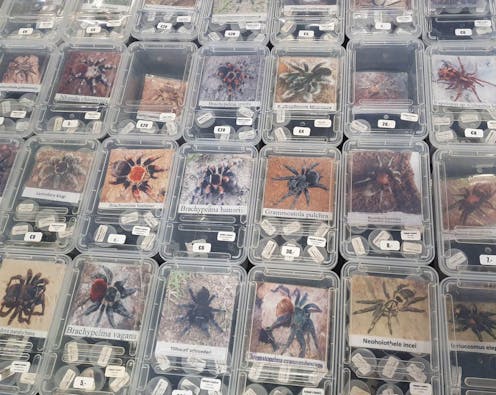
Shacking up with tarantulas, scorpions, and ants would be a nightmare for most people. But for others, these creepy-crawlies are welcome companions and collectables.
Global demand for exotic pets is rising, fuelled by social media and a shift from traditional brick-and-mortar pet stores to online marketplaces. The pet trade now extends beyond well known species such as parrots, reptiles and fish to a wide variety of invertebrates (animals without backbones) – from both land and water.
In our new research, we explored the rapidly growing trade in land-based invertebrates across 23 Australian online pet stores and one popular classifieds website. We found an astonishing 264 species traded online – from spiders and scorpions, to beetles and snails. The most commonly advertised species were stick insects, tarantulas and ants – we found a staggering 57 species of ant for sale.
While most of the invertebrates were native to Australia, we also exposed trade in three highly invasive alien species. The white garden snail, the Asian tramp snail and the African big-headed ant all pose serious threats to Australia’s biosecurity. They threaten agriculture, forestry and even public health.
Our research is the first to reveal the scale and diversity of the invertebrate pet trade in Australia. It’s a fascinating insight into how a hobby or private passion can become both a biosecurity and conservation threat.
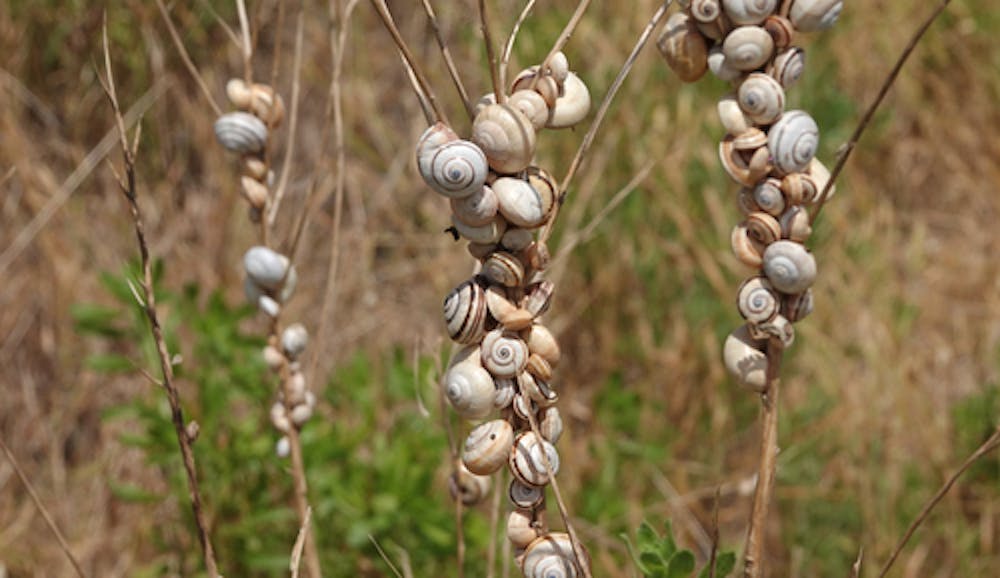
Read more: 'Astonishing': global demand for exotic pets is driving a massive trade in unprotected wildlife
The threat of invasive species trade
Occasionally, exotic pets escape captivity, or are released by their owners.
Examples include the Mexican Red Rump Tarantula, now an established alien species in Florida, and the giant African land snail, which causes millions of dollars’ worth of damage to native plants and agricultural crops in many countries all over the world.
To avoid similar cases in Australia, we need better regulation and preventative measures. But why do people want to trade these species in the first place?
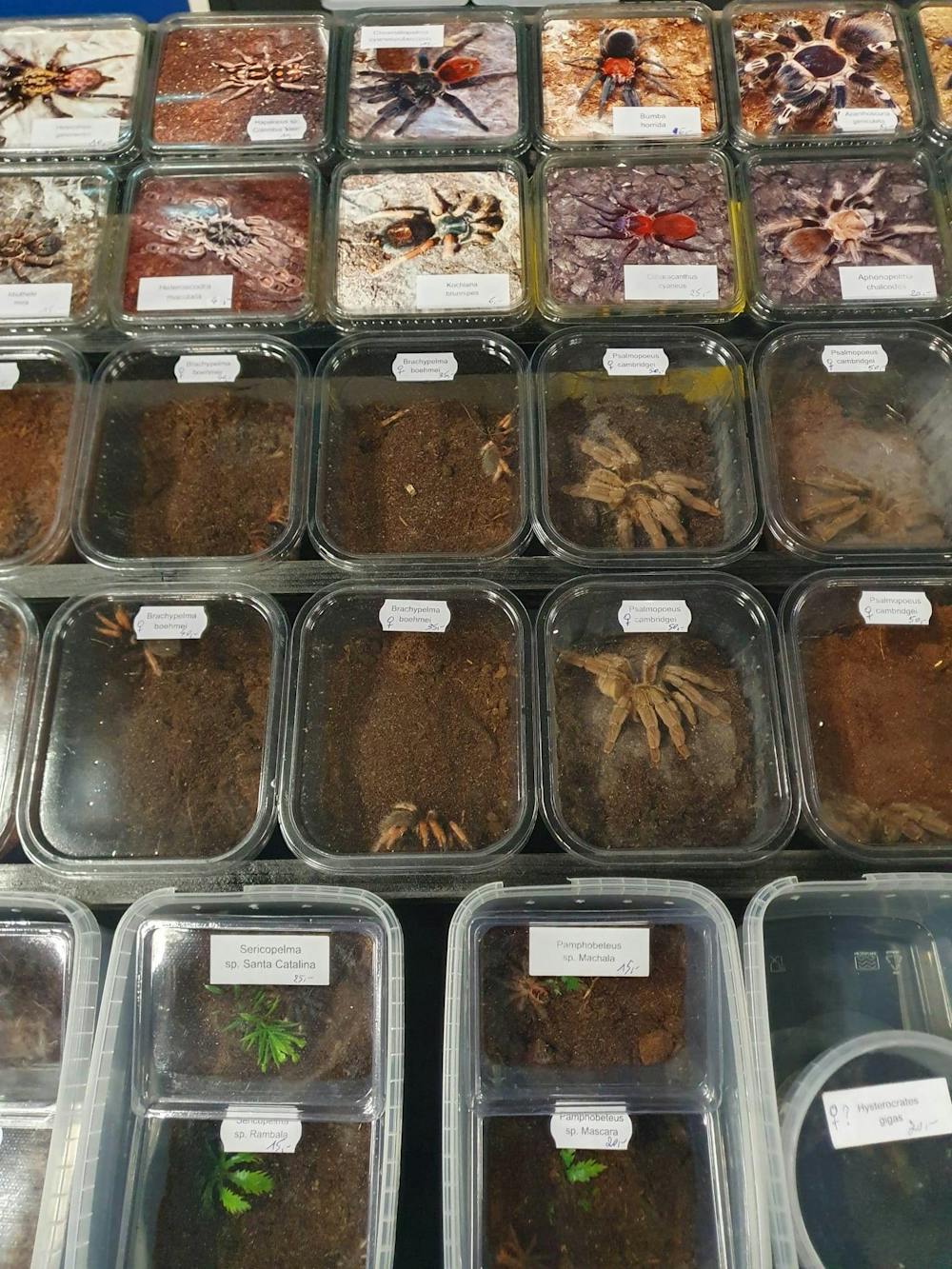 A range of tarantulas for sale at a European wildlife exposition. Credit: Sebastian Chekunov.
Author provided
A range of tarantulas for sale at a European wildlife exposition. Credit: Sebastian Chekunov.
Author provided
We found that some of the most sought-after species are considered “dangerous” and not recommended to be handled. Many of these species could inflict a painful bite or sting. Several are potentially lethal to humans.
Invertebrates are traded across the internet, including the dark web – where we found species such as goliath beetles and Chinese golden scorpions for sale. We also found native Australian invertebrates being traded at European wildlife expositions.
Invertebrates clearly make unique and fascinating pets. Now that we have a better understanding of the scale of the invertebrate pet trade, we must ensure it is managed appropriately.
We need to protect our native invertebrates
Invertebrates are thought to make up almost 95% of animal species, yet they are often neglected in research and conservation. Most invertebrate extinctions go unnoticed.
In the face of limited knowledge on population status and distribution, evaluating conservation risk for individual species is challenging.
The International Union for Conservation of Nature’s Red List of Threatened Species is the most comprehensive global database on the conservation status of wildlife. But almost all of the species (>90%) traded in our study had not had their conservation status evaluated by the IUCN.
Some species were advertised as “wild harvested”, meaning they were taken from the wild rather than bred in captivity. This is an immediate conservation concern for native Australian species, especially those with small population sizes and limited distribution.
Encouraging people to learn more about the invertebrate species in their area is essential for the conservation of global biodiversity. However, it is equally important to regulate their trade, in order to mitigate the associated risks to biosecurity and their conservation.
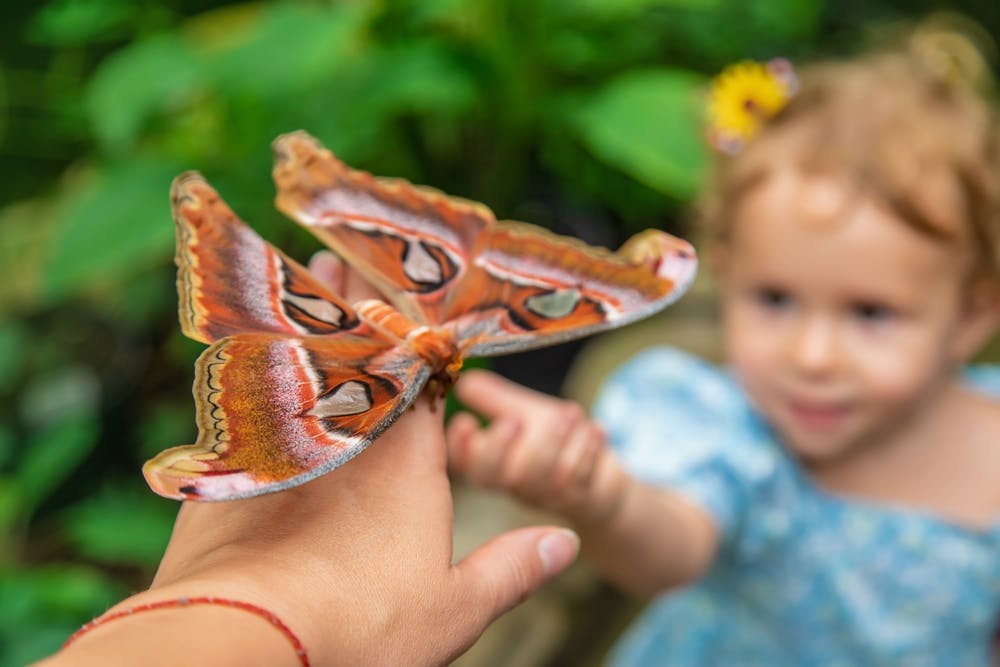 Australia’s largest moth, the Hercules (Coscinocera hercules) could be targeted for the invertebrate trade in the future.
Tatevosian Yana, Shutterstock
Australia’s largest moth, the Hercules (Coscinocera hercules) could be targeted for the invertebrate trade in the future.
Tatevosian Yana, Shutterstock
Is this trade legal or illegal?
The invertebrate trade in Australia is poorly regulated, and the line between what is considered legal or illegal is often unclear. However, collecting species from protected areas (such as national parks) without a permit is definitely illegal across Australia.
Almost half of all threatened species’ also range across privately owned land in Australia.
The extent of wild harvesting on both public and private land is largely unknown. But it is highly likely that illegal activity is occurring within Australia’s invertebrate trade.
Legislation concerning the import and export of invertebrates across state borders exists to some extent, but varies, across all Australian states and territories. The number of species declared as pests and the level of penalties for transporting these species differs considerably. This reduces the credibility and effectiveness of biosecurity efforts.
Overall, the Australian legal system governing the domestic trade of invertebrates largely ignores the pet trade. The focus of compliance is almost exclusively on crop pests, ignoring the broader invertebrate pet trade. We think this has to change.
Read more: Lickable toads and magic mushrooms: wildlife traded on the dark web is the kind that gets you high
Barely scratching the surface
There are still many unknowns about the invertebrate pet trade. Our findings have only begun to scratch the surface of what is actually being traded in Australia.
Ongoing research will further explore the trade of invertebrates within Australian brick-and-mortar pet stores, at wildlife trade expositions, and within international wildlife seizure data.
Vital steps towards ensuring the preservation of Australia’s unique invertebrate biodiversity include strengthening regulations, encouraging responsible practices, and fostering collaboration – between researchers, hobbyists, and environmental biosecurity agencies.
Managing Australia’s online invertebrate trade is a delicate balancing act. We hope Australia’s growing trade in invertebrates can be managed to support best-practice conservation while promoting a greater connection to nature.
Authors: Charlotte Lassaline, PhD Student, University of Adelaide


















