

How do I insert a tampon?
- Written by: Melissa Kang, Associate Professor, University of Sydney
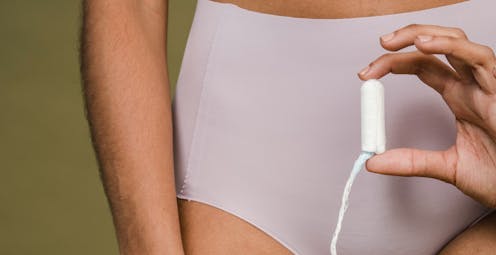
If you’ve just decided to start using tampons and you’re finding it tricky, you’re not alone! Lots of young teens and first-time tampon users have told me they experience “tampon trauma” – meaning it hurts, won’t go in or gets stuck coming out. But with a little bit of practice, it’s super easy.
Tampons are safe and convenient, especially if you’re going to the beach, swimming or doing something physically active. You can’t feel a tampon once it’s inserted properly, which is why some people prefer tampons to pads or period undies. Tampons are used by millions of people around the world. They’re made from natural cotton, rayon fibre or both, and absorb fluid, including menstrual blood.
In Australia, tampons are classified as “medical devices” which means they have to meet certain safety standards. So even though there’s a confusing array of brands available in Australia it’s good to know they all pass the safety test.
Just like pads and period undies, tampons come with different absorbencies, such as “mini” or “light”, “regular” and “super”. As you get to know your own periods and cycle, you’ll also get to know which tampons suit you best over the course of your period. It’s common for the first couple of days of a period to be heavier, meaning you might need a tampon with higher absorbency.
Read more: Menstrual cups vs tampons – here's how they compare
How to insert
A tampon is designed to sit inside the vagina, right up high against the cervix. The vagina is a stretchy muscular tube and has plenty of room to accommodate a tampon.
The vagina slopes upward and backward, towards the spine. A common difficulty first-time tampon users encounter is pushing the tampon straight up rather than slightly backwards, so it hits the front wall of the vagina and feels like it can’t go up any further. The same can happen in reverse when pulling a tampon out – it needs to be pulled slightly forward, not straight down, or it could hit the back wall of the vagina and feel stuck.
If you want to, you can practise using a tampon between your periods, or when your flow is light. Wash your hands first, then get a mini-sized tampon and make it slippery by putting some water-based lubricant on it. Some people might dab a tiny bit of Vaseline on the tip of the tampon instead. Vaseline shouldn’t be put on tampons during a period, as it reduces absorbency.
Pull the string so it reaches its full length before you insert it. Stand in front of a mirror and have a look at where the opening of your vagina is by pulling the vaginal lips apart. Then either squat, or put one leg up on a stool, shelf, or side of the bath, which gets you in a comfortable position to practise.
Gently put the tip of the tampon into the opening and then push it up and back with your finger. You can put your fingers inside your vagina first, to get a feel of the way your vagina slopes. (If you have long nails, take care not to scratch yourself!)
Some tampons come with an “applicator”. This is made of two cardboard or plastic tubes, one inside the other. The larger tube has the tampon inside it, and the smaller one sits just below the tampon. When inserting, you hold the smaller part and push the applicator inside your vagina rather than putting your fingers inside. When the applicator has gone all the way in, you push the tampon out by “plunging” the smaller tube up, pushing the tampon out.
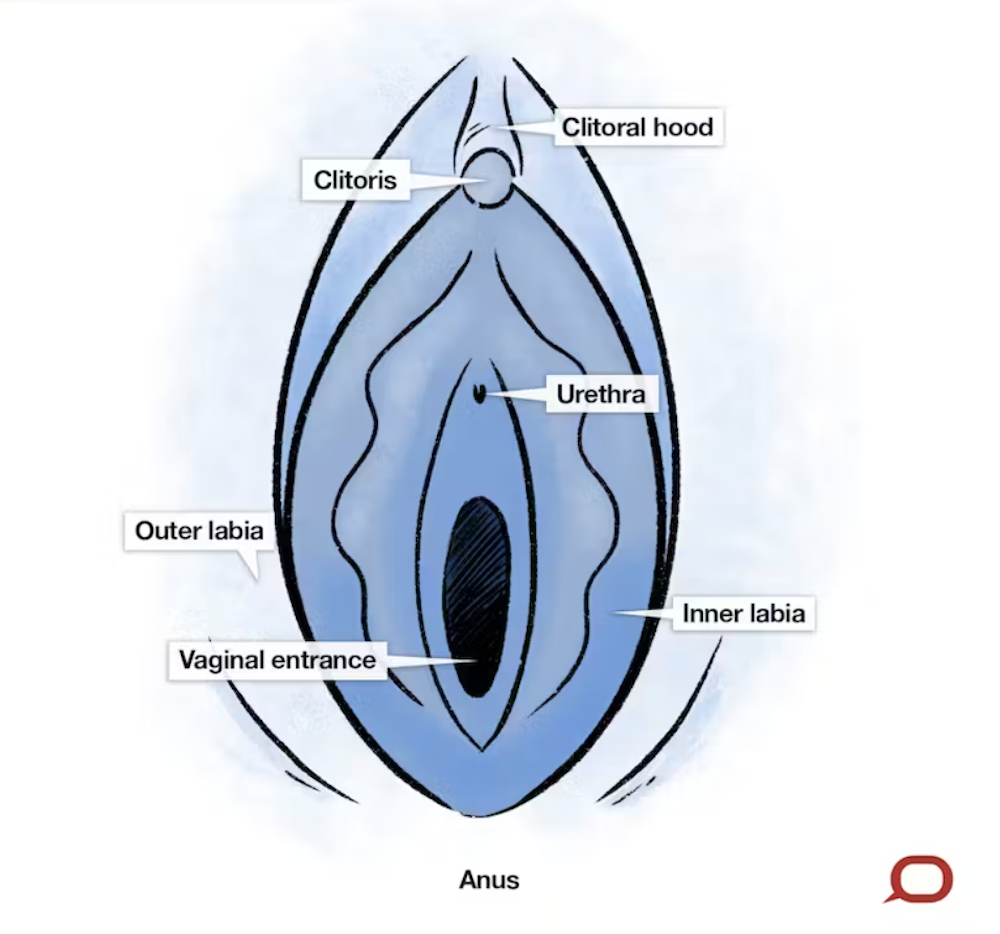
It’s virtually impossible to put a tampon into the wrong hole! There are three holes in that part of the body – the vagina, the urethra (where wee comes out) and the anus, or bum hole, where poo comes out. Most people are familiar with where the bum hole is, because (hopefully) they wipe their bums a lot!
The urethra is very small, and you wouldn’t be able to fit a tampon into it. It sits high up towards the top of the vulva – where your inner vaginal lips meet in the middle, and just below the tip of the clitoris.
Tampons can be left in for up to six hours. If your period is heavier than anticipated and the tampon has become “soaked”, you might have to change it earlier. You’ll know when that happens because some menstrual fluid will leak onto your undies.
Don’t panic though – it’s something you’ll be able to feel and deal with before anyone else notices! If you know you have heavy flow days and want to take extra precautions, you can wear a light pad on your undies (or period undies) as well as using a tampon.
Read more: Heavy periods are common. What can you do, and when should you seek help?
Toxic shock syndrome
You might have heard about something called Toxic Shock Syndrome. This is caused by a bacterial infection that releases toxins into the blood and is a serious condition.
It can happen anywhere in the body but is known to be associated with the use of ultra super absorbency tampons. There are now guidelines and regulations worldwide for tampon manufacturing to reduce the risk of infections.
These days toxic shock syndrome is extremely rare (about 0.001% of people), and still only occurs if tampons are left in for several hours, allowing the bacteria to multiply.
Symptoms are high fever, vomiting, diarrhoea, muscle aches, headaches and a rash.
Read more: From sharp butt pains to period poos: 5 lesser-known menstrual cycle symptoms
Environmentally friendly options
It’s important to NEVER flush a tampon down the toilet. If you’re in a public toilet, there should be bins inside toilet cubicles for all disposable period products. At home, you could wrap it in tissue and put it in a rubbish bin. You might also be aware people are now looking at environmentally friendly alternatives to disposable pads and tampons.
 Never flush a tampon down the toilet, put it in a bin.
Pexels/Karolina Grabowska, CC BY
Never flush a tampon down the toilet, put it in a bin.
Pexels/Karolina Grabowska, CC BY
Reusable pads and period undies were designed to help reduce waste from disposable pads. There’s now also an alternative to tampons, which is the modern “menstrual cup”. These are made of medical grade silicone that you fold over, push up inside your vagina using two fingers, and then pop! It springs open inside the vagina and catches any menstrual fluid.
Unlike a tampon, they sit a little lower down in the vagina, and just like tampons, they can take practice getting used to. These can be used for up to 12 hours which makes them super convenient. You can try a menstrual cup anytime – and some people might switch between tampons and a cup or pads or period undies, depending on what feels right on the day.
Managing periods is something almost half the population deals with. It can feel scary, but it might help to know that just about everyone who has periods goes through the same process of figuring it out! The more you arm yourself with information and know how much choice is out there, the more confident you’ll feel. And don’t forget there are always adults out there who are willing and able to give you advice and help.
Read more: Why queues for women's toilets are longer than men's
Authors: Melissa Kang, Associate Professor, University of Sydney
Read more https://theconversation.com/how-do-i-insert-a-tampon-201871


















