

Nearly two thirds of family historians are distressed by what they find – should DNA kits come with warnings?
- Written by Susan Moore, Emeritus Professor, Faculty of Health, Arts and Design, Swinburne University of Technology
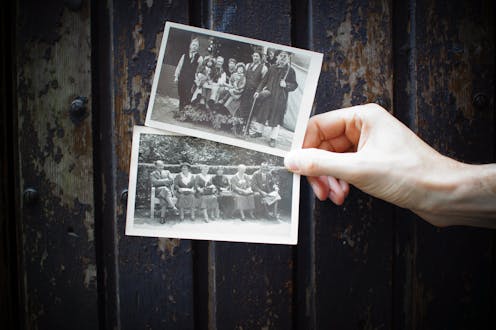
In 1853, my great great grandmother Charlotte died giving birth to her 13th child, in a tent on the banks of the Yarra River in what is now South Melbourne – but was then an overcrowded, muddy hellhole known as Canvas Town. The baby, William, died shortly afterwards. Researching Charlotte’s story made me both sad for her loss and angry at the powerlessness of women’s lives then.
I’m not the only one to have experienced intense emotions – both negative and positive – while researching my forebears.
On Facebook pages, in media stories and on TV, you’ll find a flood of hobby genealogists discovering shocking things about their ancestors – or even their own identity.
My recent research revealed about two thirds of family historians have experienced strong negative emotions like sorrow or anger through their hobby.
And nearly all respondents had experienced strong positive emotions such as joy or pride.
Passionate ‘kin keepers’
In 2019, Doreen Rosenthal and I surveyed 775 Australian hobbyist family historians to examine their motivations.
They were adults aged between 21 and 93, but most were older and the median age was 63. The majority (85%) were women. This seems to be typical of hobbyist family historians. Women often take on the role of “kin keeper” – and have the time to devote to it when they’ve finished rearing children and have retired from paid work.

Survey respondents described why they were passionately engaged with their hobby – and how it made them feel. Some 48% “sometimes” felt strong negative emotions about what they found, while 15% did “often”.
There were five common distress triggers.
1. Ancestors behaving badly
The first and most common distress trigger was the discovery of ancestors who had behaved badly – either as individuals, or by profiting from unjust social conditions. Finding these forebears made family historians feel confronted, shocked and sometimes ashamed.
They said things like:
[The worst thing was] finding the bigamist! He was horrific!! Very confronting thinking that I have some of his blood in my veins!
And:
[It was] difficult finding that ancestors may have been involved in unsavoury behaviours or events. The problem is trying to understand the context of how they were able to do things that are socially and legally unacceptable today and not things I can be proud of.
2. Ancestors treated cruelly
It was also distressing to discover ancestors who had been cruelly treated. This elicited disturbing, even “heartbreaking” feelings – and, at least implicitly, indignation at injustice. Many were deeply moved by what their ancestors experienced.
As one survey respondent put it:
What is unexpected is the relationships that can be formed with those who are no longer with us. That I can be moved by the plight of my paternal step great great grandmother who was incarcerated in a mental institution from 1913 to 1948 without review, without visitors, to get her out of the way.
3. Sad stories
Sadness was often specifically mentioned. As in the case of my great great grandmother who died in childbirth, sadness was usually a response to the hardships and tragedies ancestors faced in more challenging times.
Women commonly did not survive childbirth, neonatal deaths were frequent, people died of diseases medical science has now conquered. Poverty was rife and war a constant threat.
[It was difficult] discovering the tragedies encountered by my Irish ancestors who came to Australia and their struggles and heartbreaking stories of survival for the next three generations.
[It is distressing] to uncover particularly sad and desperate times in some ancestors’ lives. For example, a destitute widow who admitted her child to an orphan asylum for three years, only to have her child die of typhoid fever within two weeks of returning home.
 Sadness was often mentioned by family researchers.
Marcus Aurelius/Pexels, CC BY
Sadness was often mentioned by family researchers.
Marcus Aurelius/Pexels, CC BY
4. Family secrets and betrayal
The fourth distress trigger was a belief by the family history researcher that they had been betrayed by other family members: through secrets, lies and feeling their lived experience was ignored or denied.
This is particularly likely for those who discover “secrets” about their parentage – for example, the late-life discovery of adoption, parental infidelity or previously unknown siblings.
Trust is damaged. If family members can lie about these important things, what else might they lie about?
As one woman commented:
My mother’s half-sister did not accept that she shared a father with my mother. My great grandmother lied about who my grandfather’s father was. My great great grandmother also lied. All these lies were very distressing.
5. Moral dilemmas
Finally, several respondents expressed doubt and confusion at the moral dilemmas they faced on discovering information that could greatly distress other living relatives. Should they tell or not?
An emotional burden attaches to withholding potentially distressing information of this kind. Yet there is also guilt and fear about the possible outcomes of sharing it.
I knew an aunt had an illegitimate child before she married. Through DNA I found her granddaughter. I have yet to inform this girl who she is. I don’t feel it’s my right as she has absolutely no idea of any adoption of her father.
A really distressing find was that my great aunt’s husband had committed a terrible murder. I have not been able to speak about this with the descendants of the couple.
Healthy outcomes from bad feelings
Sometimes these distressing feelings can promote healthy, growth-enhancing outcomes. After the initial shock, some traumatic genealogical discoveries lead to a greater understanding of the past and its influence.
Placing ancestors’ maladaptive or distressing behaviours, or their misfortunes, into historical and social context can help with acceptance and forgiveness, and stimulate emotional healing and personal growth.
Initial feelings of distress about past injustices and tragedies are sometimes replaced by admiration for the strength and resilience of one’s forebears. This can positively influence personal wellbeing and resilience.
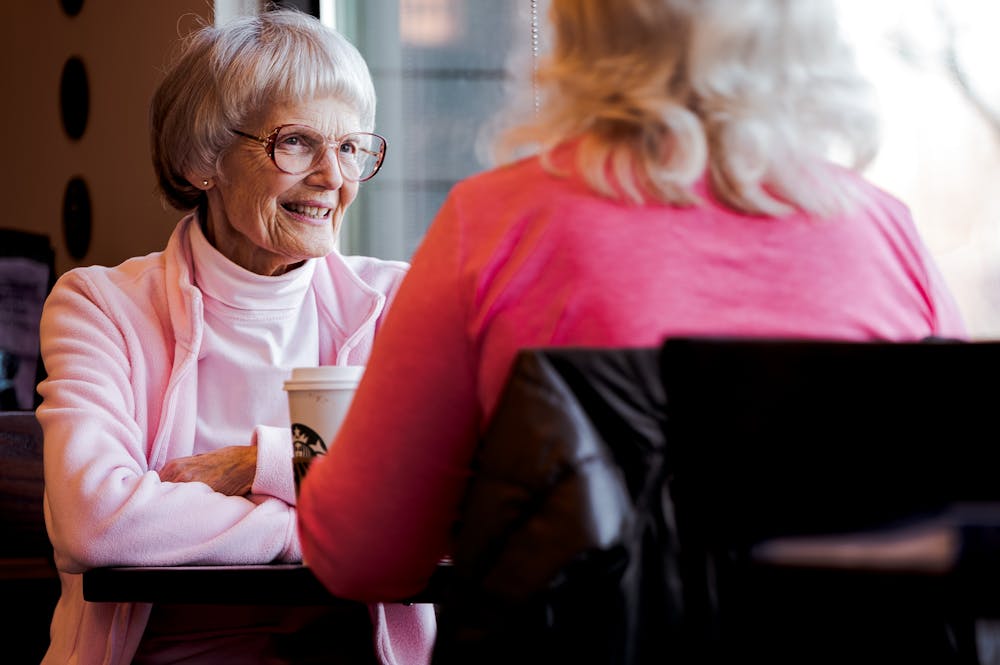 Processing distressing discoveries can lead to growth.
Brett Sayles/Pexels, CC BY
Processing distressing discoveries can lead to growth.
Brett Sayles/Pexels, CC BY
How can family and professionals help?
I processed my great great grandmother’s story by writing it down and sharing it with family members. We reworked our sadness at her fate into a positive family narrative, emphasising her bravery and the strengths her surviving children showed.
Support can mean just disclosing these stories to family members, friends and other family historians. But for some, it may be helpful to discuss these topics privately with a counsellor or therapist, especially if they’ve led to a breakdown in family relationships or an assault on one’s sense of identity.
Counsellors and psychologists should develop strategies to support clients distressed by genealogical findings – and encourage them to use their new knowledge for personal growth and greater understanding of family dynamics.
Should providers of genealogical research products (especially DNA tests) educate their customers about their products’ potential to cause distress?
Trigger warnings might be overkill. But they could issue lists of support resources for those who are upset or disoriented by their findings.
As more people gain access to more genealogical data – with the potential to challenge identity and uncover family secrets – it’s worth thinking about.
Authors: Susan Moore, Emeritus Professor, Faculty of Health, Arts and Design, Swinburne University of Technology

















